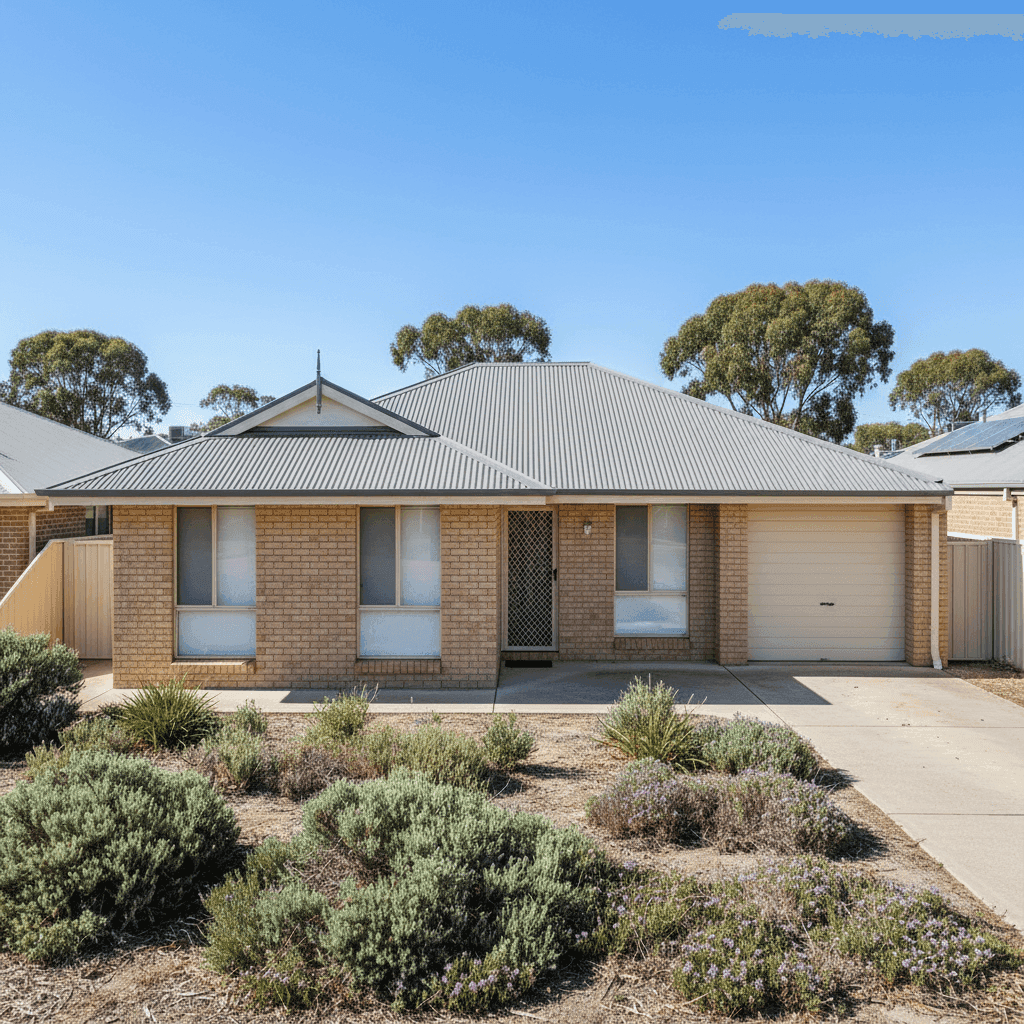
If you own a free standing home in James Well, SA 5571, you might be wondering whether you're paying a fair price for building insurance — or leaving money on the table. This article breaks down a real building-only insurance quote for a three-bedroom, brick veneer home in James Well, comparing it against suburb, state, and national benchmarks to help you make a more informed decision.
---
Is This Quote Fair?
The short answer: yes — and then some. This quote came in at $1,439 per year (or around $138/month), which earns a CHEAP price rating from CoverClub — meaning it sits below average for the area.
To put that in perspective:
- The suburb average for James Well is $2,071/yr, meaning this quote is roughly $632 less per year than what most local homeowners are paying.
- It also sits below the suburb median of $1,930/yr and comfortably under the 25th percentile of $1,548/yr — placing it among the most competitive quotes seen in this postcode.
A $500,000 sum insured with a $1,000 building excess at this price point is a genuinely strong outcome. That said, it's always worth checking that the sum insured accurately reflects the full cost to rebuild your home, not just its market value — more on that below.
---
How James Well Compares
James Well is a small coastal locality on the Yorke Peninsula, and its insurance pricing reflects a relatively low-risk profile compared to much of Australia. Here's how the numbers stack up:
| Benchmark | Annual Premium |
|---|---|
| This Quote | $1,439 |
| James Well Suburb Average | $2,071 |
| James Well Suburb Median | $1,930 |
| SA State Average | $2,433 |
| SA State Median | $1,679 |
| Yorke Peninsula LGA Average | $1,631 |
| National Average | $5,347 |
| National Median | $2,764 |
A few things stand out here. First, the SA state average of $2,433 is noticeably higher than the James Well suburb average — suggesting that some parts of South Australia carry significantly more risk (think flood-prone areas or bushfire-exposed suburbs closer to the Adelaide Hills). James Well, sitting on the Yorke Peninsula, benefits from a comparatively benign risk profile.
Second, the national average of $5,347 is eye-watering by comparison. Much of that figure is dragged upward by high-premium regions in Queensland, northern Western Australia, and parts of regional NSW where cyclone, flood, and bushfire risks are far more pronounced. As a non-cyclone-rated area, James Well homeowners are largely shielded from those extremes.
You can explore more local data on the James Well suburb insurance stats page, or browse SA-wide insurance benchmarks and national comparisons to see the bigger picture.
> Note: The suburb sample size for James Well is relatively small (9 quotes), so averages should be treated as a guide rather than a definitive benchmark. More data points will sharpen these figures over time.
---
Property Features That Affect Your Premium
Insurance pricing isn't arbitrary — it's driven by a combination of location risk and the specific characteristics of your home. Here's how the features of this property likely influenced the quote:
Brick Veneer Walls Brick veneer is one of the more insurer-friendly wall materials in Australia. It offers solid fire resistance and structural durability compared to timber or fibre cement cladding, which can translate into lower premiums. Insurers generally view brick veneer favourably when assessing rebuild risk.
Steel / Colorbond Roof A Colorbond steel roof is considered low-maintenance and highly durable, with strong resistance to wind and fire. Compared to older tile roofs (which can crack, leak, or dislodge in storms), a steel roof is a positive rating factor for most insurers.
Slab Foundation Concrete slab foundations are common in South Australian homes built from the 1970s onward and are generally considered stable and low-risk. They don't carry the same concerns as older stumped or pier-and-beam foundations, which can be more vulnerable to movement or moisture damage.
Timber / Laminate Flooring Flooring type can affect contents insurance more than building insurance, but it does factor into rebuild cost estimates. Timber flooring typically adds to the cost of reinstatement, which is worth keeping in mind when reviewing your sum insured.
Construction Year: 1982 At over 40 years old, this home is well past its original build date. Older homes can attract slightly higher premiums due to ageing infrastructure — particularly plumbing, wiring, and roofing — but the Colorbond roof and brick veneer construction help mitigate those concerns here.
Ducted Climate Control The presence of ducted climate control adds to the overall replacement value of the home. It's a meaningful inclusion in the sum insured and one that's easy to overlook when estimating rebuild costs.
No Pool, No Solar Panels Both pools and solar panel systems can add complexity (and cost) to insurance assessments. The absence of these features keeps the risk profile straightforward.
---
Tips for Homeowners in James Well
1. Double-check your sum insured regularly A $500,000 sum insured is a common figure, but building costs have risen sharply across Australia in recent years. Use an independent building cost calculator or speak with a local builder to confirm your sum insured reflects today's construction costs — not what it would have cost to rebuild five years ago.
2. Consider adding contents cover This quote covers the building only. If you haven't separately insured your contents, it's worth getting a combined building and contents quote to see whether bundling offers better value. Furniture, appliances, and personal belongings can add up quickly.
3. Review your excess settings A $1,000 building excess is fairly standard. If you're comfortable covering minor claims out of pocket, opting for a higher excess (say, $2,000) can reduce your annual premium meaningfully. Conversely, if cash flow is a concern, a lower excess might be worth the extra premium cost.
4. Compare quotes at renewal time Even a below-average quote can be beaten. Insurers reprice risk constantly, and loyalty doesn't always pay. Set a reminder to compare quotes at least 30 days before your renewal date to give yourself time to switch if a better deal emerges.
---
Compare Your Own Quote
Whether you're a first-time buyer in James Well or a long-time homeowner wondering if you're overpaying, CoverClub makes it easy to see how your premium stacks up. Get a home insurance quote today and find out in minutes whether you're getting a fair deal — or whether it's time to shop around.