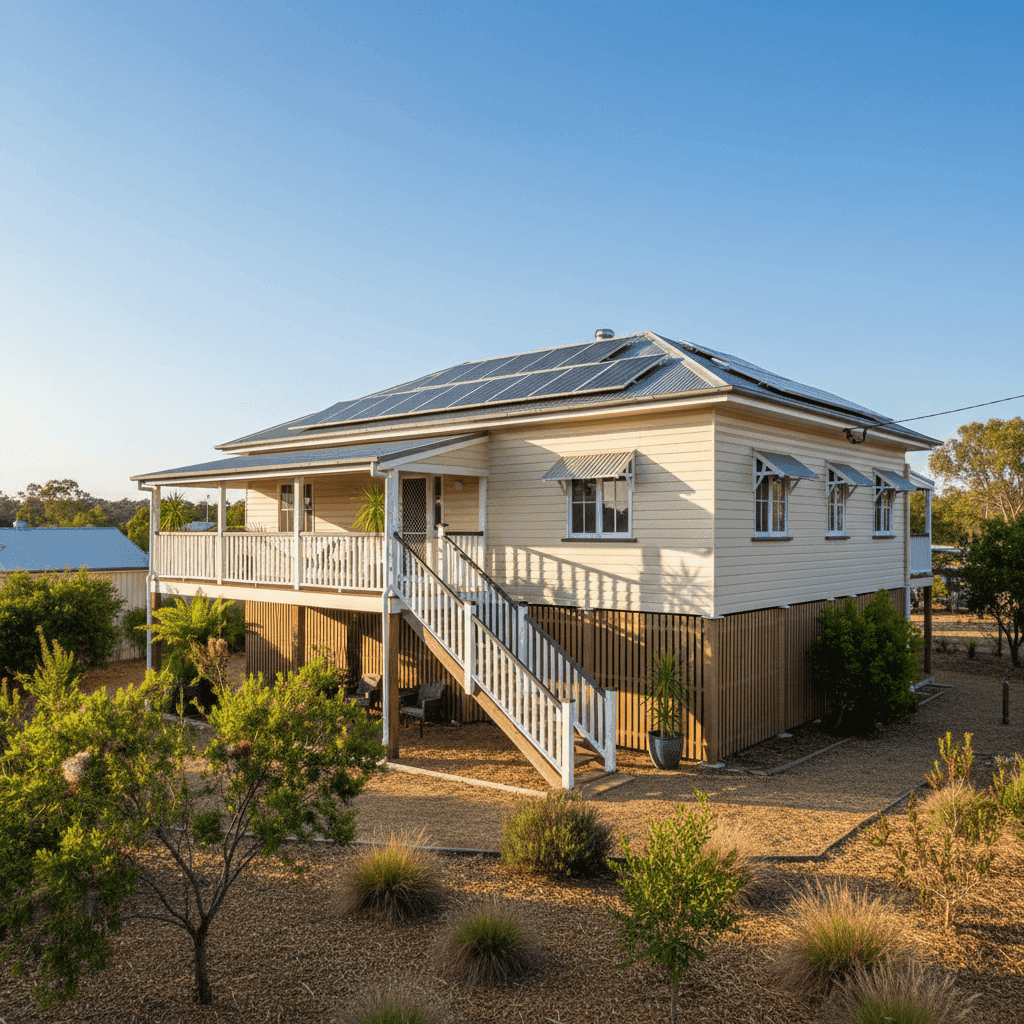
Jandowae is a quiet rural town in Queensland's Western Downs region, known for its agricultural heritage and tight-knit community. If you own a free standing home here, understanding what you should be paying for home and contents insurance — and why — can make a real difference to your household budget. This article breaks down a recent insurance quote for a 3-bedroom weatherboard home in Jandowae (postcode 4410) and puts the numbers into context.
---
Is This Quote Fair?
The quote in question comes in at $2,249 per year (or $216/month) for combined home and contents cover, with a building sum insured of $419,000 and contents valued at $95,000. The building excess is $2,000 and the contents excess is $1,000.
Based on CoverClub's pricing data, this quote is rated CHEAP — sitting below the average for the area. That's genuinely good news for the homeowner. In a market where insurance premiums have been climbing steadily across regional Queensland, landing a quote this far below the local average is worth taking notice of.
To put it plainly: this is a competitive result, and homeowners in similar circumstances would do well to use it as a benchmark when shopping around.
---
How Jandowae Compares
The numbers tell an interesting story when you stack this quote up against broader market data.
| Benchmark | Premium |
|---|---|
| This quote | $2,249/yr |
| Jandowae suburb average | $5,469/yr |
| Jandowae suburb median | $3,466/yr |
| Jandowae 25th percentile | $2,900/yr |
| QLD state average | $9,129/yr |
| QLD state median | $3,903/yr |
| National average | $5,347/yr |
| National median | $2,764/yr |
| Western Downs LGA average | $18,732/yr |
A few things stand out here. First, the Western Downs LGA average of $18,732/yr is extraordinarily high — a figure heavily influenced by properties in flood-prone or high-risk areas across the broader local government area. Jandowae itself sits in a more favourable position, with a suburb median of $3,466/yr.
Second, this quote at $2,249/yr is below even the suburb's 25th percentile of $2,900/yr — meaning it's cheaper than at least 75% of quotes recorded for the area. It also sits comfortably below the national median of $2,764/yr, which is a strong result for a regional Queensland property.
For a deeper look at how Jandowae premiums track over time, visit the Jandowae suburb insurance stats page. You can also explore QLD-wide insurance data or the national insurance statistics for broader context.
> Note: The suburb sample size is 9 quotes, so while directionally useful, these figures should be treated as indicative rather than definitive.
---
Property Features That Affect Your Premium
Several characteristics of this particular property influence how insurers price the risk — for better and for worse.
Weatherboard Timber Walls
Weatherboard construction is common in older Queensland homes but is generally considered a higher risk by insurers compared to brick or rendered masonry. Timber is more susceptible to fire, rot, and pest damage, which can push premiums up. That said, well-maintained weatherboard homes can still attract competitive quotes.
Steel / Colorbond Roof
A Colorbond steel roof is viewed favourably by most insurers. It's durable, low-maintenance, and performs well in high-wind conditions. This is likely contributing positively to the overall premium outcome.
Elevated on Stumps (at Least 1 Metre)
The home is elevated by at least one metre on stumps — a classic Queensland design. Elevation can actually reduce flood risk by keeping the living areas above ground-level water ingress, which insurers tend to reward. It also improves ventilation and is a hallmark of traditional Queenslander-style architecture.
Construction Year: 1960
Older homes built around 1960 can attract scrutiny from insurers due to ageing electrical wiring, plumbing, and structural components. However, many policies still cover these properties competitively, particularly when the building has been well maintained.
Solar Panels
The property has solar panels installed. Most standard home insurance policies cover solar panels as part of the building structure, but it's worth confirming this with your insurer — particularly for storm or hail damage, which can be a real risk in Queensland.
Ducted Climate Control
Ducted air conditioning systems are a contents or building item depending on the insurer. Given the Queensland climate, this is a meaningful asset to have properly covered.
No Pool, No Cyclone Risk Zone
The absence of a pool removes a common liability risk factor. Importantly, this property falls outside a designated cyclone risk area, which is a significant premium advantage for a Queensland property — cyclone cover can add considerably to premiums in coastal and far north Queensland regions.
---
Tips for Homeowners in Jandowae
1. Review Your Building Sum Insured Regularly
At $419,000, the building sum insured should reflect the full cost to rebuild the home from scratch — not its market value. Construction costs have risen significantly in regional Queensland in recent years, so it's worth getting a building replacement cost estimate every couple of years to avoid being underinsured.
2. Confirm Solar Panel Coverage
Check your policy documents to ensure your solar panels are explicitly covered for storm, hail, and accidental damage. Some policies include them automatically under the building definition; others may require a specific endorsement.
3. Maintain the Weatherboard Exterior
Insurers may reduce or deny claims related to gradual deterioration. Keeping your weatherboard walls painted, sealed, and free from rot or pest damage not only protects the home but also strengthens your position in the event of a claim.
4. Consider Your Excess Levels Strategically
This policy carries a $2,000 building excess and $1,000 contents excess. A higher excess typically lowers your premium, but make sure the excess amount is something you could comfortably cover out of pocket in the event of a claim. If cash flow is a concern, a lower excess — even if it means a slightly higher premium — may be the smarter choice.
---
Compare Quotes and See If You Can Do Better
Even if you're already on a competitive premium, it pays to compare. Insurance markets shift, and new products enter the market regularly. CoverClub makes it easy to see what's available for your property in minutes — no lengthy phone calls, no obligation.