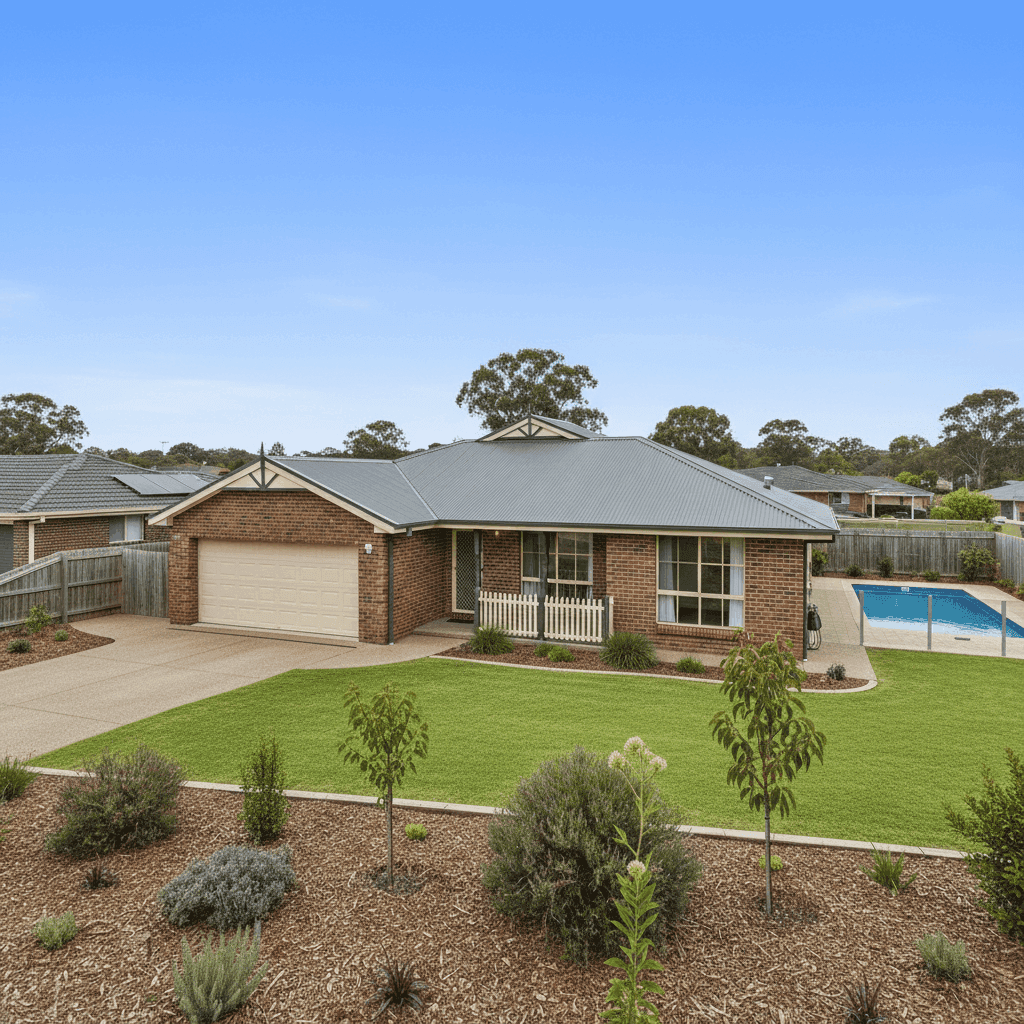
If you own a five-bedroom free standing home in Jilliby, NSW 2259, you're likely no stranger to the juggling act of keeping running costs in check. Home and contents insurance is one of those non-negotiables — but that doesn't mean you should pay more than you need to. In this article, we break down a real insurance quote for a property in Jilliby, explain what's driving the premium, and help you understand whether the price stacks up against local and national benchmarks.
---
Is This Quote Fair?
The quote in question comes in at $5,383 per year (or $521/month) for combined home and contents cover, with a $600,000 building sum insured and $50,000 in contents cover. Both the building and contents excess are set at $1,000.
Our price rating for this quote is FAIR — Around Average.
That assessment holds up when you dig into the numbers. The suburb average premium for Jilliby sits at $5,187/year, and the 75th percentile — meaning 75% of comparable quotes are cheaper — lands at $5,385/year. At $5,383, this quote is sitting right at that upper boundary, which means it's not a bargain, but it's also not an outlier. You're essentially paying what most homeowners in the top quarter of the market are paying.
For a property of this size — 214 sqm, five bedrooms, three bathrooms, a pool, and ducted climate control — that's a reasonable result, though there's definitely room to explore whether a competing insurer could sharpen the pencil.
---
How Jilliby Compares
Context is everything when assessing an insurance premium. Here's how this quote measures up across different geographies:
| Benchmark | Average Premium | Median Premium |
|---|---|---|
| Jilliby (suburb) | $5,187/yr | $4,687/yr |
| NSW (state) | $9,528/yr | $3,770/yr |
| National | $5,347/yr | $2,764/yr |
| Cessnock LGA | $2,462/yr | — |
A few things stand out here. The NSW state average of $9,528/year is eye-wateringly high, but that figure is heavily skewed by expensive coastal and flood-prone markets — the median of $3,770 tells a more grounded story. Jilliby's suburb median of $4,687 sits comfortably above the NSW median, suggesting the area carries a moderate risk profile relative to the broader state.
Compared to the national average of $5,347/year, this quote of $5,383 is almost exactly in line — which reinforces the "fair" rating. Interestingly, the Cessnock LGA average of just $2,462/year is significantly lower, which may reflect a different mix of property types and risk profiles across the broader local government area compared to Jilliby specifically.
You can explore the full breakdown of local pricing data on the Jilliby suburb stats page.
> Note: The suburb sample size for Jilliby is 11 quotes, so while the data is directionally useful, a larger sample would give even greater confidence in these figures.
---
Property Features That Affect Your Premium
Several characteristics of this property have a meaningful influence on what insurers charge. Here's what's likely at play:
Size and Bedrooms
At 214 sqm with five bedrooms and three bathrooms, this is a larger-than-average home. Bigger homes cost more to rebuild, and the $600,000 building sum insured reflects that. Insurers price rebuild risk carefully, and a generous sum insured is the right call — being underinsured at claim time can be a costly mistake.
Brick Veneer Walls and Colorbond Roof
Brick veneer is generally well-regarded by insurers — it's durable, fire-resistant, and widely used across Australian suburbs. Paired with a steel Colorbond roof, this combination is considered a solid, low-maintenance construction type that typically attracts standard or favourable rates. Colorbond roofs in particular are resistant to corrosion and perform well in a range of weather conditions.
Slab Foundation and Tiled Flooring
A concrete slab foundation is the most common base type in NSW and is generally viewed as stable and low-risk. Tiled flooring is similarly straightforward from an insurance perspective — it's durable and less susceptible to water damage than carpet or timber.
Swimming Pool
Pools add value to a property but also introduce liability considerations. Most home insurance policies cover the pool structure under the building component, but it's worth confirming your policy includes pool-related liability cover, particularly if you have guests or young children visiting.
Ducted Climate Control
Ducted air conditioning systems are expensive to repair or replace, and their presence can nudge premiums slightly higher. Ensure your sum insured accounts for the replacement cost of the system — it's easy to overlook when calculating building value.
Construction Year (1984)
A home built in 1984 is now over 40 years old. While brick veneer and Colorbond construction age reasonably well, older homes can attract slightly higher premiums due to ageing electrical systems, plumbing, and roofing components. Some insurers may also apply stricter underwriting criteria for homes of this vintage.
---
Tips for Homeowners in Jilliby
1. Review Your Sum Insured Annually
Construction costs have risen sharply in recent years. A building sum insured of $600,000 may be appropriate today, but it's worth recalculating your estimated rebuild cost each year — especially as labour and materials costs continue to shift. Many insurers offer online calculators to help.
2. Compare Quotes Before Renewal
Loyalty doesn't always pay in insurance. With this quote sitting at the 75th percentile for the suburb, there's a reasonable chance a competing insurer could offer similar cover at a lower price. Set a calendar reminder to compare at least 30 days before your renewal date.
3. Consider Your Excess Level
Both the building and contents excess on this policy are set at $1,000. Opting for a higher voluntary excess can reduce your annual premium — just make sure the excess amount is something you could comfortably cover out of pocket in the event of a claim.
4. Check Pool and Liability Coverage
If you have guests or run any activities around your pool, confirm that your policy includes adequate public liability cover. Standard home insurance usually includes this, but limits and conditions vary between insurers — it pays to read the Product Disclosure Statement carefully.
---
Ready to Find a Better Deal?
Whether this quote is your current policy or one you're weighing up, it's always worth seeing what else is out there. CoverClub makes it easy to compare home and contents insurance quotes from multiple insurers in one place — so you can make a confident, informed decision. Get a quote today and see how much you could save.