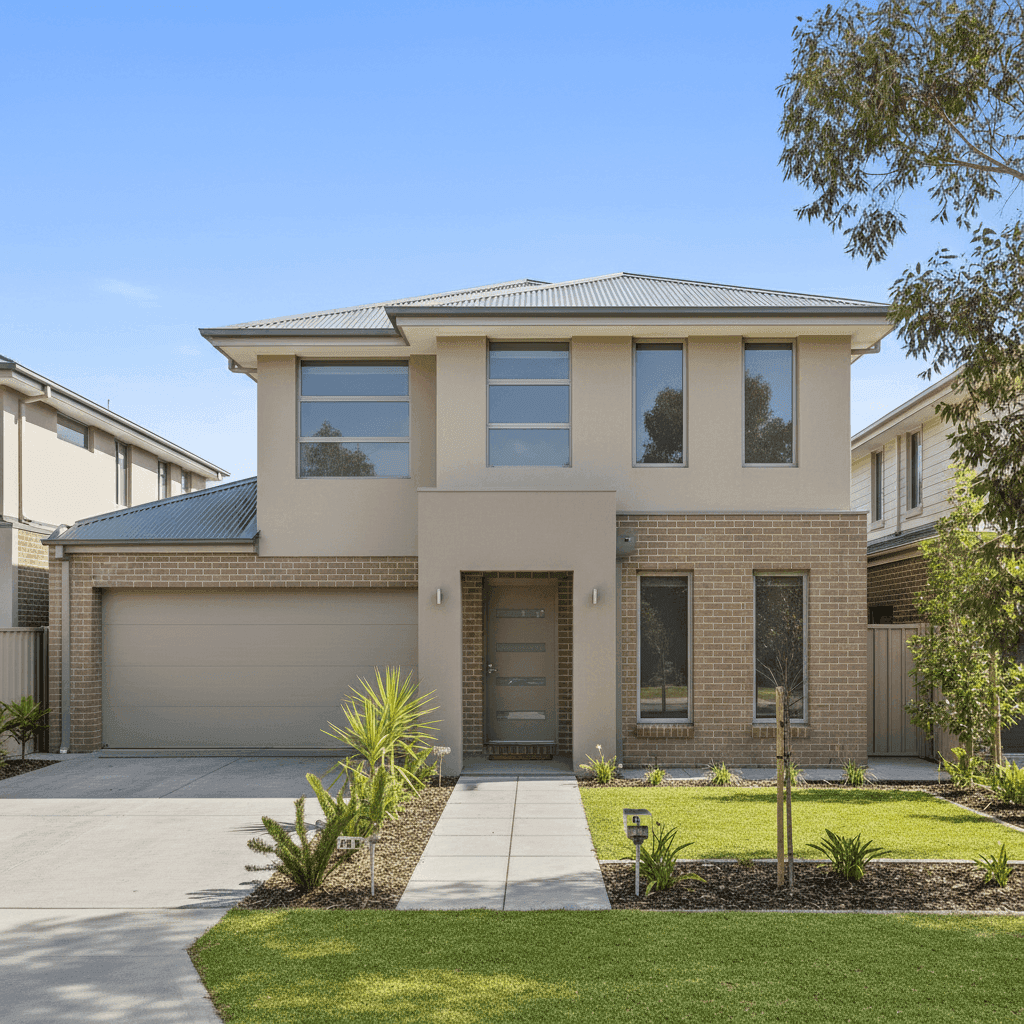
Jindalee is a coastal suburb in Perth's northern corridor, sitting within the City of Wanneroo and offering a mix of modern family homes close to the Indian Ocean. If you own a free-standing home here — particularly a double brick build from the 2000s — understanding what you should be paying for building insurance is genuinely useful knowledge. This article breaks down a real building-only quote for a 4-bedroom, 2-bathroom home in Jindalee (postcode 6036) and puts the numbers in proper context.
---
Is This Quote Fair?
The short answer: yes — and then some.
This quote came in at $1,473 per year (or roughly $144 per month), and it's been rated CHEAP — meaning it sits below average for the area. That's a meaningful finding. In a market where home insurance premiums have been climbing steadily across Australia, landing below the local benchmark is worth paying attention to.
The building is insured for $581,000, which is a reasonable sum insured for a 214 sqm double brick home built in 2008. The building excess is set at $2,000, which is on the higher side but is a common trade-off when securing a lower annual premium. Higher excesses typically reduce your upfront cost but mean more out-of-pocket expense if you do need to make a claim — something worth weighing up depending on your financial situation.
Overall, this quote represents solid value for building-only cover in Jindalee.
---
How Jindalee Compares
Context is everything when evaluating an insurance quote. Here's how this premium stacks up across different benchmarks:
| Benchmark | Annual Premium |
|---|---|
| This Quote | $1,473 |
| LGA (Wanneroo) Average | $1,550 |
| WA State Average | $2,144 |
| WA State Median | $1,944 |
| National Average | $2,965 |
| National Median | $2,716 |
The numbers tell a clear story. This quote is:
- $77 below the Wanneroo LGA average
- $671 below the WA state average
- $1,492 below the national average
That's not a trivial gap. Compared to the national average, this homeowner is saving nearly $1,500 per year — or over $125 per month. Even against the WA state median of $1,944, the saving is close to $500 annually.
Jindalee and the broader Wanneroo area tend to attract relatively competitive premiums compared to other parts of Australia. The suburb sits outside the cyclone risk zone, is not in a high-flood-risk corridor, and benefits from newer housing stock — all factors that contribute to more favourable pricing. You can explore more local data on the Jindalee suburb stats page.
---
Property Features That Affect Your Premium
Insurers don't price every home the same way. The specific characteristics of a property play a significant role in determining risk — and therefore cost. Here's how this home's features factor in:
Double Brick Construction Double brick is one of the most insurer-friendly wall types in Australia. It offers excellent structural integrity, strong fire resistance, and good durability against the elements. Homes with double brick walls are generally seen as lower risk than those with lightweight cladding or timber frames, and this often translates to lower premiums.
Steel/Colorbond Roof Colorbond roofing is extremely popular in Perth and for good reason. It's lightweight, durable, resistant to corrosion, and performs well in high-wind conditions. From an insurance perspective, it's a preferred roof type — especially compared to older terracotta or asbestos-cement roofing materials.
Concrete Slab Foundation A slab-on-ground foundation is standard for homes of this era in WA and is generally considered low risk. There's no subfloor space to harbour moisture or pests, and slabs perform reliably in Perth's dry climate.
Timber/Laminate Flooring Timber and laminate floors are common in modern Australian homes and don't significantly affect building insurance pricing. However, they can be a factor in contents cover if high-end hardwood flooring is involved — less relevant here given the standard fittings quality noted.
Built in 2008 A construction year of 2008 means this home is relatively modern — old enough to have settled well, but young enough that major structural systems (roof, plumbing, electrical) should still be in good condition. Newer builds typically attract lower premiums than older homes with ageing infrastructure.
No Pool, No Solar, No Ducted Climate Control Each of these additions can increase a premium. Pools introduce liability risk. Solar panel systems add replacement cost and potential electrical complexity. Ducted HVAC systems are expensive to repair or replace. The absence of all three keeps this quote lean.
---
Tips for Homeowners in Jindalee
1. Review your sum insured regularly Building costs in Perth have risen considerably over the past few years. A sum insured of $581,000 for 214 sqm may be appropriate today, but it's worth recalculating every year or two using a building cost estimator. Being underinsured at claim time can be a costly mistake.
2. Consider whether building-only cover is enough This quote covers the structure only — not the contents inside. If you have valuable furniture, appliances, electronics, or personal belongings, a combined building and contents policy may offer better overall protection. Compare the cost of adding contents cover before renewing.
3. Weigh up your excess carefully The $2,000 building excess on this policy is relatively high. If you have a solid emergency fund and are comfortable absorbing smaller claims out-of-pocket, this trade-off makes sense. If you'd prefer more predictable costs after an incident, it may be worth comparing quotes with a lower excess — even if the annual premium is slightly higher.
4. Don't auto-renew without comparing Even a competitive quote like this one can be beaten. Insurers adjust their pricing models regularly, and loyalty doesn't always pay. Taking 10 minutes to compare quotes at renewal time can save hundreds of dollars annually.
---
Ready to Compare?
Whether you're a first-time buyer or a long-time Jindalee resident, comparing home insurance quotes is one of the simplest ways to protect your finances. At CoverClub, you can instantly compare building and contents insurance options tailored to your property. Get a quote now and see how much you could save.