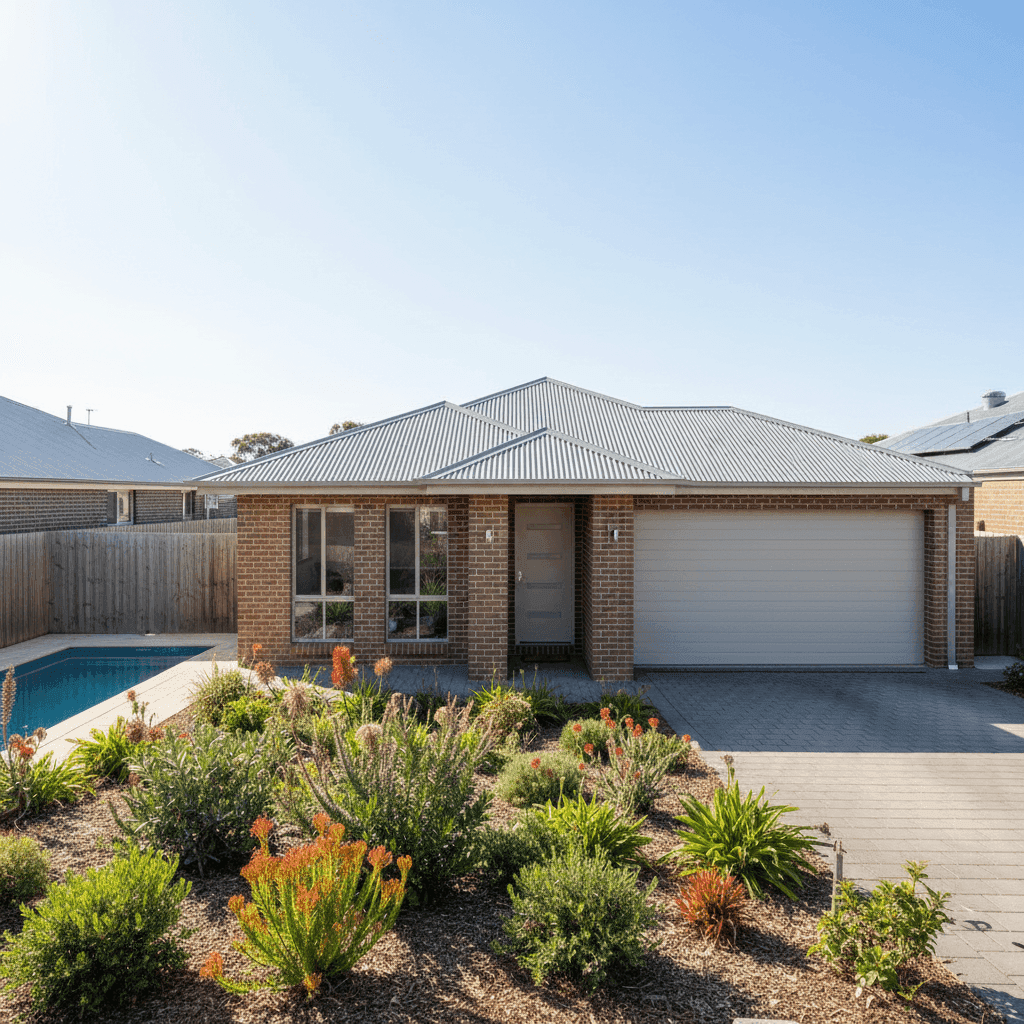
Josephville is a quiet semi-rural locality tucked into the hilly terrain of the Logan region in South East Queensland. It's the kind of place where larger blocks, freestanding homes, and a relaxed lifestyle attract families looking to escape the bustle of Brisbane — but that doesn't mean home insurance is something you can afford to overlook. This article breaks down a real home and contents insurance quote for a 3-bedroom, 2-bathroom brick veneer home in Josephville (postcode 4285), helping you understand whether the premium stacks up and what's driving the cost.
---
Is This Quote Fair?
The annual premium for this property came in at $3,565 per year (or around $350 per month), covering both building (insured at $622,000) and contents ($50,000). Our price rating for this quote is CHEAP — below average for the area.
That's a meaningful finding. Queensland is one of the most expensive states in Australia for home insurance, largely due to its exposure to severe weather events including storms, flooding, and hail. For a home in the Logan LGA to come in below the regional and state benchmarks is genuinely good news for the homeowner.
The building excess on this policy sits at $2,500, which is on the higher side and is likely one of the levers that's helped keep the annual premium down. The contents excess of $500 is fairly standard. It's worth keeping in mind that a higher excess means more out-of-pocket costs if you ever need to make a claim — so weigh that trade-off carefully when comparing policies.
---
How Josephville Compares
Here's how this quote sits relative to broader market data:
| Benchmark | Premium |
|---|---|
| This quote | $3,565/yr |
| Logan LGA average | $3,411/yr |
| QLD state average | $4,547/yr |
| QLD state median | $3,931/yr |
| National average | $2,965/yr |
| National median | $2,716/yr |
At first glance, the national average of $2,965 looks significantly cheaper — but context matters. Queensland homeowners consistently pay more than the national average due to the state's elevated natural hazard risk profile. Comparing a Queensland premium directly to a national figure can be misleading, since that national figure is pulled down by lower-risk states like Victoria, Tasmania, and the ACT.
Within Queensland, this quote is $982 below the state average and $366 below the state median — both solid indicators that this is a competitive price. It sits only slightly above the Logan LGA average of $3,411, which is expected given the building sum insured of $622,000 is likely higher than many comparable homes in the region.
For more localised pricing data, visit the Josephville suburb stats page, or explore the Queensland state insurance overview and national home insurance statistics to put your own quote in perspective.
---
Property Features That Affect Your Premium
Every home is different, and insurers assess risk based on the specific characteristics of your property. Here's how the features of this Josephville home are likely influencing the premium:
Brick Veneer Walls & Colorbond Roof
Brick veneer construction is viewed favourably by insurers — it's durable, relatively fire-resistant, and performs well in storms. Combined with a steel Colorbond roof (a popular and robust choice in Queensland), this home presents a solid risk profile from a structural standpoint. Colorbond roofing in particular is well-regarded for its resistance to corrosion and high winds.
Concrete Slab Foundation
A slab foundation is the norm for homes built in this era and region, and it's generally considered lower risk than older stumped or timber-framed foundations. It reduces exposure to subsidence and pest-related structural damage.
Tile Flooring
Tiled floors throughout the home are a practical choice in Queensland's climate and are generally less susceptible to water damage than carpet or timber. This can subtly influence contents and building claims.
Swimming Pool
A pool is a notable inclusion on this property. Pools add to the replacement cost of the home (contributing to the $622,000 building sum insured) and can also introduce liability considerations. Most home and contents policies cover the pool structure under the building component, but it's worth confirming what's included — particularly around pool equipment, fencing, and liability for injury.
Built in 2006
A home built in 2006 benefits from construction standards that were already incorporating improved cyclone and wind-resistance requirements across Queensland. It's modern enough to avoid the premium loading that can apply to older homes with outdated wiring, plumbing, or roofing.
No Cyclone Risk
Josephville falls outside designated cyclone risk zones, which is a significant premium advantage. Homeowners in North Queensland or coastal Far North QLD can pay substantially more due to cyclone cover requirements. This property avoids that loading entirely.
Standard Fittings
The standard fittings quality rating keeps replacement cost estimates reasonable. High-end or custom fittings — think stone benchtops, imported tiles, or bespoke joinery — can push building sum insured figures (and premiums) higher.
---
Tips for Homeowners in Josephville
Whether you're reviewing your existing policy or shopping around for the first time, here are four practical steps to make sure you're getting the right cover at the right price.
1. Review your building sum insured annually Construction costs have risen sharply in recent years across Queensland. A sum insured of $622,000 may have been accurate when the policy was first taken out, but it's worth rechecking against current rebuild cost estimates — especially if you've made renovations. Being underinsured at claim time can leave you significantly out of pocket.
2. Understand your pool cover If you have a pool, clarify exactly what your policy covers. Does it include the pool shell, filtration equipment, and fencing? What about accidental damage or liability if someone is injured? These details vary between insurers and can matter enormously.
3. Consider the excess trade-off This policy carries a $2,500 building excess. If you're unlikely to make small claims, that's a reasonable trade-off for a lower premium. But if you'd struggle to cover that amount out of pocket in an emergency, it may be worth paying a slightly higher premium for a lower excess option.
4. Don't set and forget Insurance markets shift, and so does your risk profile. Even if you're happy with your current insurer, comparing quotes every year is good financial hygiene. Loyalty doesn't always pay — and a 15-minute comparison could save you hundreds.
---
Compare Your Own Quote
Wondering how your Josephville home insurance stacks up? CoverClub makes it easy to compare quotes from a range of Australian insurers in one place. Whether you're a first-time buyer or a long-term homeowner, getting a second opinion on your premium could be one of the smartest things you do this year. Start comparing quotes at CoverClub — it only takes a few minutes.