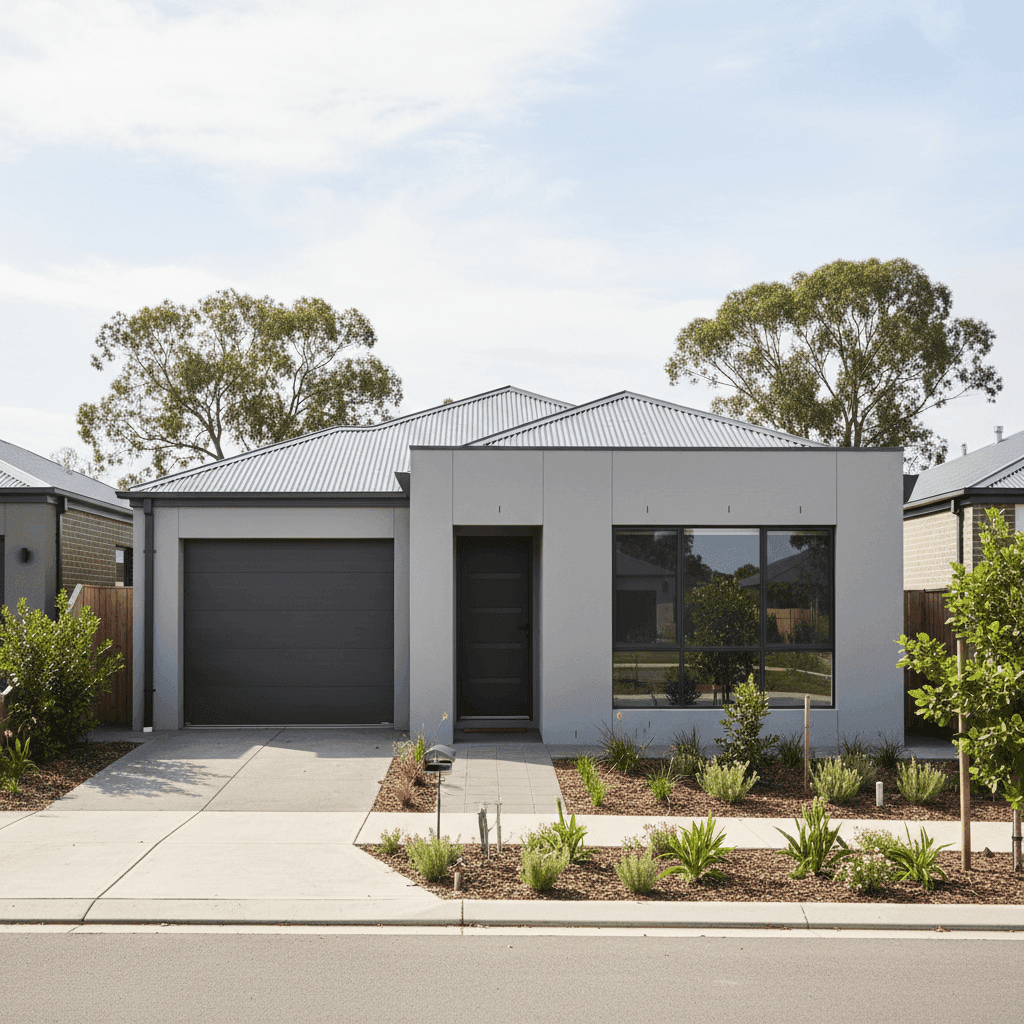
If you own or are considering a townhouse in Junction Village, VIC 3977, understanding what you should expect to pay for home and contents insurance is an important part of protecting your investment. This article breaks down a real insurance quote for a three-bedroom, three-bathroom townhouse in the area — examining whether the price is fair, how it stacks up against Victorian and national benchmarks, and what property features are likely influencing the premium.
---
Is This Quote Fair?
The quote in question comes in at $1,190 per year (or roughly $116 per month) for combined home and contents cover, with a $200,000 building sum insured and $70,000 in contents cover. Both the building and contents excess are set at $1,000.
Our price rating for this quote is CHEAP — below average — and it's easy to see why when you look at the numbers in context.
The Victorian state average premium sits at $3,000 per year, with a state median of $2,718. That means this quote is coming in at roughly 60% below the state average — a significant saving. Compared to the national average of $5,347 per year (national median: $2,764), the gap is even more striking.
Even against the LGA average for Frankston — the local government area that encompasses Junction Village — which sits at $3,283 per year, this quote represents a saving of over $2,000 annually.
In short: if this quote accurately reflects the coverage you need, it represents genuinely strong value for money.
---
How Junction Village Compares
While suburb-level data for Junction Village isn't yet available in our database, the broader regional picture tells a useful story. You can explore the Junction Village insurance stats page as more data becomes available.
| Benchmark | Annual Premium |
|---|---|
| This Quote | $1,190 |
| VIC State Average | $3,000 |
| VIC State Median | $2,718 |
| LGA (Frankston) Average | $3,283 |
| National Average | $5,347 |
| National Median | $2,764 |
Junction Village sits within the City of Casey — one of Melbourne's fastest-growing outer south-eastern corridors. While it falls under the Frankston LGA for insurance benchmarking purposes in this dataset, the suburb itself is characterised by newer residential developments, relatively low flood and bushfire risk compared to many Victorian postcodes, and good proximity to infrastructure. These factors all contribute to keeping premiums competitive in the area.
For a broader picture of how Victorian premiums compare across the state, visit our VIC insurance stats page.
---
Property Features That Affect Your Premium
Several characteristics of this particular townhouse are likely working in the owner's favour when it comes to premium pricing.
Brand new construction (2024) New builds are generally viewed favourably by insurers. A 2024 construction year means the property meets current building codes, uses modern materials, and is far less likely to have hidden structural issues or ageing systems that could lead to a claim.
Hebel external walls Hebel (autoclaved aerated concrete) is a popular choice in modern Australian construction. It offers excellent fire resistance and thermal performance, which can positively influence how insurers assess risk — particularly for fire-related claims.
Steel/Colorbond roof Colorbond roofing is durable, low-maintenance, and performs well in a range of weather conditions. It's resistant to corrosion and is generally considered a lower-risk roofing material compared to older alternatives like terracotta tiles, which can crack or dislodge in storms.
Concrete slab foundation A slab foundation is a stable and widely used construction method in Victoria. It's generally considered lower risk than pier-and-beam or older footings, particularly in areas without significant subsidence or reactive soil concerns.
No pool, no solar panels Both pools and solar panels can add complexity (and cost) to a home insurance policy. The absence of these features keeps the risk profile simpler and the premium leaner.
Ducted climate control While ducted systems are a valuable inclusion in any home, they do represent a higher-value fixed asset than split systems. Insurers factor in the cost of replacing these systems, so it's worth confirming your sum insured adequately covers the replacement cost of your ducted system.
Timber and laminate flooring These flooring types are susceptible to water damage, which is worth keeping in mind when reviewing your policy's water damage provisions. Make sure your cover includes accidental water damage to flooring.
---
Tips for Homeowners in Junction Village
1. Review your sum insured regularly With construction costs continuing to rise across Victoria, a $200,000 building sum insured for a 153 sqm townhouse may be worth revisiting annually. Underinsurance is one of the most common — and costly — mistakes homeowners make. Use a building calculator or speak with your insurer to ensure your coverage reflects current rebuild costs.
2. Consider your contents coverage carefully $70,000 in contents cover is a reasonable starting point, but it's easy to underestimate the value of what's inside your home. Go room by room and tally up electronics, furniture, appliances, clothing, and valuables. Many Australians discover they're underinsured only when it's too late.
3. Keep documentation of your home's features Because this is a new build with quality inclusions like ducted climate control and timber flooring, maintaining records — including receipts, photos, and specifications — will make any future claim process significantly smoother.
4. Compare quotes before renewal Even if your current premium is competitive, the insurance market shifts each year. Premiums can change significantly at renewal, and loyalty doesn't always pay. Make it a habit to compare home insurance quotes at least once a year to ensure you're still getting the best deal.
---
Get a Quote for Your Junction Village Home
Whether you're a new homeowner in Junction Village or you're simply wondering if your current policy is still competitive, CoverClub makes it easy to compare home and contents insurance quotes in one place. With premiums in this area coming in well below Victorian and national averages, there's every reason to make sure you're getting the right cover at the right price.