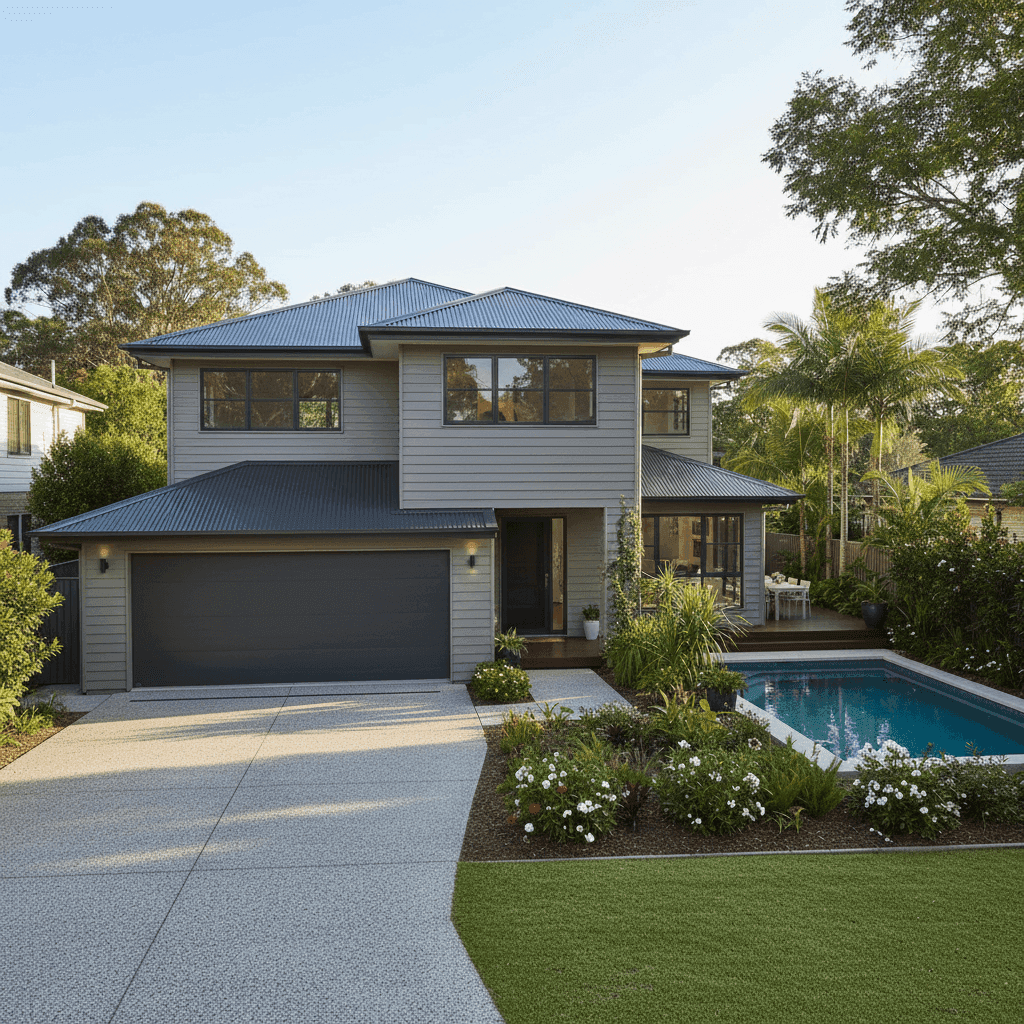
If you own a free standing home in Kalinga, QLD 4030, you've probably noticed that home insurance isn't cheap — and depending on your property's features, it can climb well above what your neighbours are paying. This article breaks down a real home and contents insurance quote for a four-bedroom, three-bathroom property in Kalinga, compares it against local, state, and national benchmarks, and offers practical advice for getting better value on your cover.
---
Is This Quote Fair?
The quote in question sits at $12,266 per year (or $1,175/month) for combined home and contents insurance, with a building sum insured of $1,301,000 and contents valued at $50,000. Both the building and contents excess are set at $1,000.
Our price rating for this quote is EXPENSIVE — above average. That's not a surprise given the specifics, but it's worth understanding why before assuming you're being overcharged.
A building sum insured of $1.3 million is substantial. This reflects a 268 sqm home built in 2012 with above-average fittings — think quality fixtures, premium finishes, and the kind of inclusions that cost considerably more to repair or replace. Add in a swimming pool and ducted climate control, and insurers are pricing a property that would be genuinely expensive to rebuild from scratch.
That said, the premium is still notably higher than what most Kalinga homeowners are paying, which warrants a closer look.
---
How Kalinga Compares
To put this quote in context, here's how it stacks up against suburb, state, and national averages:
| Benchmark | Average Premium | Median Premium |
|---|---|---|
| Kalinga (QLD 4030) | $3,954/yr | $3,367/yr |
| Queensland | $9,129/yr | $3,903/yr |
| National | $5,347/yr | $2,764/yr |
| Brisbane LGA | $16,277/yr | — |
A few things stand out here. First, the Kalinga suburb average of $3,954/yr is well below this quote — but that comparison has limits. Suburb averages include a wide range of properties, from modest brick veneer homes to larger prestige residences, and the sample size here is just 12 quotes. The median of $3,367/yr suggests most Kalinga homes are insured for considerably less, likely because they carry lower building sums insured.
The Queensland state average of $9,129/yr is actually closer to this quote than the suburb figure — and that's largely because Queensland's average is dragged upward by high-risk areas like Far North Queensland, where cyclone exposure sends premiums soaring. Kalinga itself is not in a cyclone risk zone, which is a meaningful saving factor.
Perhaps the most telling comparison is the Brisbane LGA average of $16,277/yr. This quote, at $12,266, actually sits below the LGA average — suggesting that for a property of this calibre in Brisbane, the premium is not out of line with what the broader market reflects.
---
Property Features That Affect Your Premium
Several characteristics of this property have a direct bearing on the premium:
Weatherboard timber exterior walls Weatherboard homes are generally considered higher risk than brick or brick veneer by most insurers. Timber is more susceptible to fire, moisture damage, and pest-related deterioration, which translates to higher rebuild costs and, in turn, higher premiums.
Steel/Colorbond roof This is actually a positive from an insurance perspective. Colorbond roofs are durable, low-maintenance, and perform well in storms — a meaningful consideration in South East Queensland where severe weather events are not uncommon. Many insurers view this favourably compared to older tile roofs.
Slab foundation A concrete slab is considered a stable and low-risk foundation type. It reduces concerns around subsidence and under-floor moisture damage, both of which can generate costly claims.
Timber and laminate flooring While aesthetically appealing, timber flooring is more expensive to repair or replace than carpet or vinyl, particularly when water damage is involved. This contributes to a higher contents and building replacement cost.
Above-average fittings This is a significant premium driver. Homes with premium kitchen appliances, stone benchtops, designer bathrooms, and high-end fixtures cost more to reinstate after a claim. Insurers price this risk accordingly.
Swimming pool Pools add both asset value and liability exposure. They increase the overall rebuild cost and can introduce additional risks around public liability if guests or visitors are involved in an incident.
Ducted climate control Ducted systems are expensive to install and replace. A full system failure or storm damage to the unit can generate a substantial claim, and insurers factor this into their pricing.
---
Tips for Homeowners in Kalinga
1. Review your building sum insured carefully A sum insured of $1,301,000 is significant, and while it may accurately reflect the cost to rebuild this property, it's worth getting an independent building replacement cost estimate. Overinsurance means you're paying more in premiums than necessary; underinsurance can leave you seriously out of pocket after a major claim.
2. Compare quotes across multiple insurers The spread between the cheapest and most expensive quotes for similar properties in Kalinga can be substantial. Use a comparison tool like CoverClub to see what multiple insurers would charge for the same cover — you may find meaningful savings without sacrificing protection.
3. Consider your excess settings Both excesses on this policy are set at $1,000. Opting for a higher voluntary excess (say, $2,500 or $5,000) can reduce your annual premium noticeably. If you have the financial buffer to cover a larger out-of-pocket cost in the event of a claim, this can be a smart trade-off.
4. Check for discounts and bundling options Some insurers offer discounts for security systems, smoke alarms, or loyalty arrangements. Others reduce premiums when you bundle home and contents under the same policy — which this quote already does. It's worth asking your insurer directly what discounts may apply to your specific property.
---
Ready to Find a Better Deal?
Whether you're renewing your current policy or shopping for the first time, comparing quotes is the single most effective way to ensure you're not overpaying. Head to CoverClub to get a personalised home and contents insurance quote for your Kalinga property — and see how your current premium stacks up against the competition. You can also explore Kalinga suburb insurance data and Queensland-wide trends to better understand what your neighbours are paying.