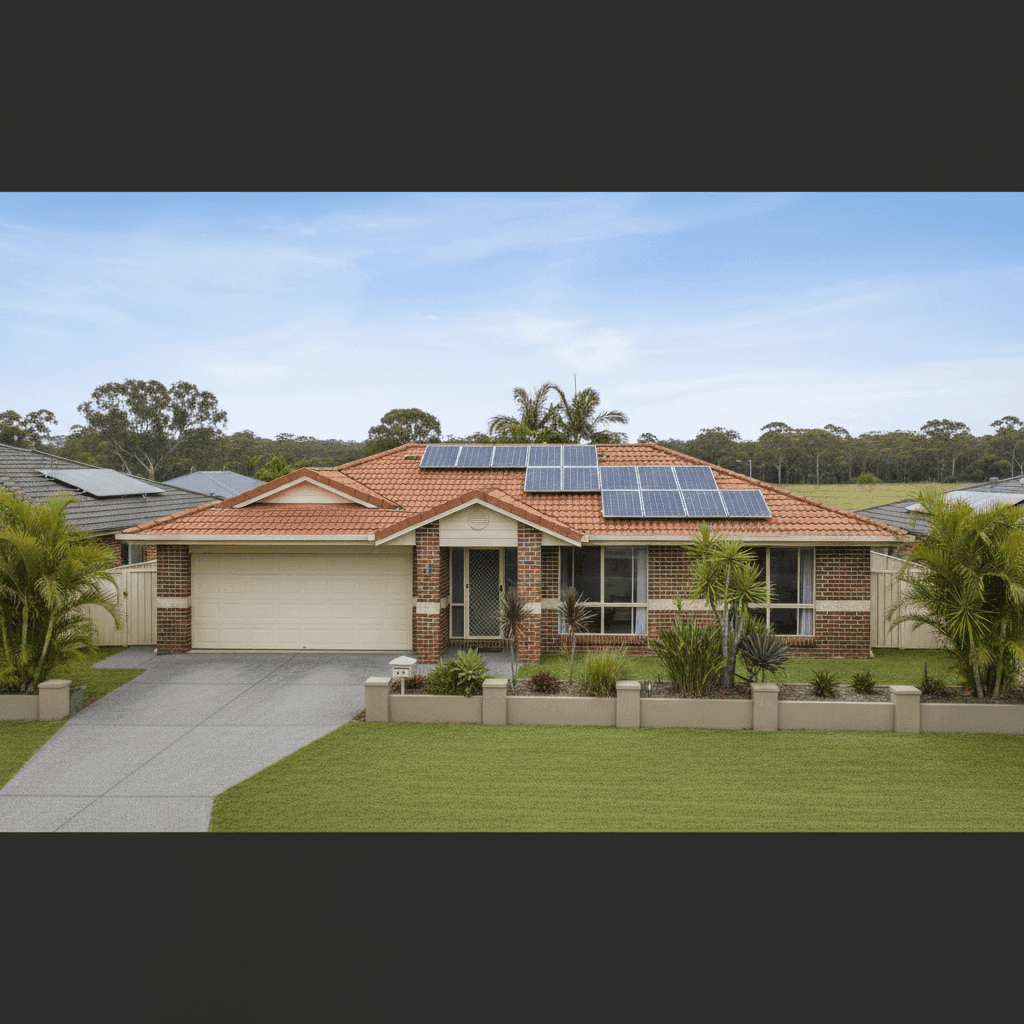
Kallangur is a well-established suburb in the Moreton Bay region of South East Queensland, sitting roughly 25 kilometres north of Brisbane's CBD. It's a popular choice for families and first-home buyers thanks to its affordable housing stock, good schools, and easy access to the Bruce Highway. For a three-bedroom, free-standing home in this area, understanding what you should be paying for home and contents insurance — and whether your current quote stacks up — can save you hundreds of dollars a year.
This article breaks down a recent home and contents insurance quote for a brick veneer property in Kallangur, compares it against local, state, and national benchmarks, and offers practical tips to help homeowners in the area get the best value cover.
---
Is This Quote Fair?
The quote in question comes in at $841 per year (or around $80 per month) for combined home and contents cover, with a building sum insured of $440,000, contents valued at $95,000, a building excess of $2,000, and a contents excess of $600.
Our pricing model rates this quote as CHEAP — below average for the area. That's a strong result.
To put it in perspective, the suburb average for Kallangur sits at $2,303 per year, with a median of $2,375. This quote comes in at roughly 63% below the suburb average — a significant saving. Even the 25th percentile of quotes in the area (meaning the cheapest quarter of quotes sampled) sits at $1,716 per year, which is still more than double this premium.
For a homeowner paying $841 annually, that's a potential saving of over $1,400 per year compared to what many of their neighbours are likely paying. Over five years, that's more than $7,000 — enough for a kitchen renovation or a solid emergency fund.
It's worth noting that a higher building excess of $2,000 does contribute to the lower premium. Choosing a higher excess reduces the insurer's risk exposure on small claims, which is reflected in the price. Whether that trade-off suits your financial situation is a personal decision, but for homeowners who can comfortably cover a $2,000 out-of-pocket cost in the event of a claim, it's a smart way to keep premiums down.
---
How Kallangur Compares
The price differences across suburb, state, and national levels tell an interesting story.
| Benchmark | Average Premium |
|---|---|
| Kallangur (suburb average) | $2,303/yr |
| Moreton Bay LGA average | $3,145/yr |
| Queensland state average | $4,547/yr |
| National average | $2,965/yr |
| This quote | $841/yr |
Kallangur actually sits well below both the Queensland state average of $4,547 and the national average of $2,965, which reflects the suburb's relatively lower risk profile compared to many parts of Queensland. The state average is heavily influenced by Far North Queensland and coastal areas that face significant cyclone, flood, and storm surge risk — hazards that are far less pronounced in the Moreton Bay hinterland.
Interestingly, the Moreton Bay LGA average of $3,145 is noticeably higher than the Kallangur suburb average of $2,303, suggesting that other parts of the LGA carry more risk — likely suburbs closer to waterways or with older housing stock.
Based on a sample of 41 quotes in the 4503 postcode, Kallangur homeowners are paying a wide range of premiums — from around $1,716 at the lower end to $2,790 at the 75th percentile. This spread underscores how much individual property characteristics and insurer pricing models can vary, even within the same suburb.
---
Property Features That Affect Your Premium
Several features of this particular property work in favour of a lower premium:
Brick Veneer Construction Brick veneer walls are generally viewed favourably by insurers. They offer solid fire resistance and durability compared to timber-framed weatherboard homes, which can translate into lower rebuild risk and, in turn, lower premiums.
Tiled Roof Concrete or terracotta tile roofs are considered a lower-risk roofing material than Colorbond or corrugated iron in some contexts, and they're certainly preferred over older materials like fibrous cement sheeting. They're durable and widely used across Queensland's residential housing stock.
Slab Foundation A concrete slab foundation is standard for homes of this era in South East Queensland. It's a stable, low-maintenance base that doesn't carry the same moisture or termite concerns as some elevated or timber-stumped foundations.
No Pool Pools add liability risk and can increase premiums, particularly for contents or liability components of a policy. Not having a pool removes this from the equation.
Solar Panels Solar panels are present on this property. While they add value and are typically covered under the building sum insured, homeowners should confirm with their insurer that the panels are explicitly included in their policy — particularly for damage from storms or hail, which are relatively common in South East Queensland.
1997 Construction At around 27 years old, this home sits in a sweet spot — past the era of older, higher-risk materials, but not so new that it carries premium pricing. Homes built in the mid-to-late 1990s generally used modern building codes and materials without the inflated rebuild costs of newer premium construction.
No Cyclone Risk Kallangur falls outside Queensland's designated cyclone risk zones, which is a significant factor. Cyclone cover is a major cost driver for premiums in North Queensland, so properties in South East Queensland avoid this loading entirely.
---
Tips for Homeowners in Kallangur
1. Review your building sum insured regularly A sum insured of $440,000 for a 139 sqm brick veneer home in Kallangur is a reasonable estimate, but construction costs have risen sharply in recent years. It's worth checking your figure against current building cost calculators annually to avoid being underinsured at claim time.
2. Consider your excess carefully The $2,000 building excess on this policy is on the higher side. While it contributes to the low premium, make sure you have that amount readily accessible. If $2,000 would be a financial stretch in an emergency, it may be worth adjusting your excess upward slightly to a more comfortable level and accepting a modest premium increase.
3. Confirm solar panel coverage With solar panels installed, double-check your policy wording to ensure they're covered for accidental damage, storm damage, and electrical faults. Some policies include them automatically under the building definition; others may require a specific endorsement.
4. Don't set and forget Even if you're on a great rate now, insurance premiums can shift significantly at renewal. Set a calendar reminder to compare quotes before your renewal date each year. What's cheap today may not be the best deal in 12 months' time.
---
Compare Your Home Insurance Quote
Whether you're a first-time buyer in Kallangur or a long-term homeowner wondering if you're overpaying, it pays to compare. CoverClub makes it easy to see how your current premium stacks up against real quotes from across the suburb and state. Get a quote today at CoverClub and find out if you could be paying less for the same level of protection.