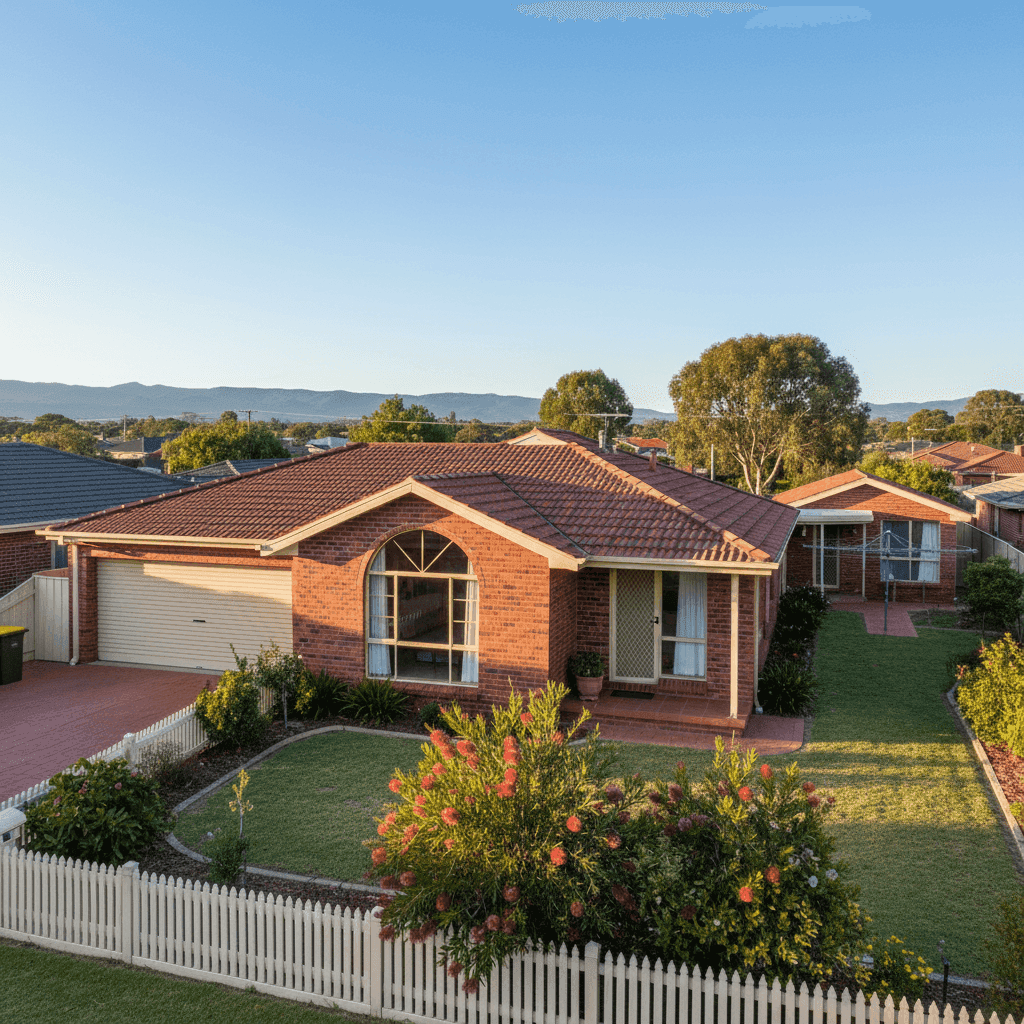
If you own a free standing home in Kambah, ACT 2902, you've probably wondered whether the premium on your home and contents insurance is competitive — or whether you're quietly paying more than you should. This article breaks down a real quote for a four-bedroom, two-bathroom brick veneer home in Kambah, comparing it against local, state-wide, and national benchmarks so you can make a genuinely informed decision.
---
Is This Quote Fair?
The quote in question comes in at $1,747 per year (or $171/month) for combined home and contents cover, with a building sum insured of $996,000 and contents valued at $151,000. The building excess is $2,000 and the contents excess sits at $1,000.
Our price rating for this quote is EXPENSIVE — above average for the Kambah area.
Here's the context: the suburb average premium for Kambah sits at $1,486/year, with a median of $1,467/year across 71 quotes in our dataset. This quote lands above the 75th percentile for the suburb (which is $1,669/year), meaning it's more expensive than roughly three-quarters of comparable quotes in the area. That's a meaningful gap — approximately $261 above the suburb average, or around 17.6% more than what many Kambah homeowners are paying.
That said, "expensive" is relative. The sum insured here is close to $1 million for the building alone, and the property includes a granny flat and ducted climate control — both of which add to replacement cost and, by extension, the insured value. A higher building sum insured will naturally push the premium up compared to properties insured for less. So while the price rating flags this as above average, the higher coverage level is a legitimate part of that equation.
---
How Kambah Compares
Understanding where Kambah sits in the broader insurance landscape is useful context for any homeowner in the suburb.
| Benchmark | Average Premium | Median Premium |
|---|---|---|
| Kambah (2902) | $1,486/yr | $1,467/yr |
| ACT (State) | $2,203/yr | $2,112/yr |
| National | $2,965/yr | $2,716/yr |
| LGA (Unincorporated ACT) | $2,172/yr | — |
The picture is actually quite favourable for Kambah residents. Premiums in this suburb run significantly below both the ACT state average of $2,203/year and the national average of $2,965/year. Even the LGA-wide average of $2,172/year is well above what most Kambah homeowners are paying.
This suggests Kambah is a relatively low-risk suburb from an insurer's perspective — not surprising given its location in the southern ACT, its predominantly established residential character, and the absence of cyclone risk. For a deeper dive into how premiums in your postcode stack up, visit the Kambah suburb stats page.
---
Property Features That Affect Your Premium
Several characteristics of this property directly influence what insurers charge. Here's how each one plays a role:
Brick Veneer Walls & Tiled Roof Brick veneer construction with a tiled roof is one of the most common combinations in Australian suburban homes built in the 1980s, and insurers generally view it favourably. Both materials are considered durable and relatively fire-resistant, which can help keep premiums in check compared to, say, timber-clad homes with metal or Colorbond roofing.
Construction Year: 1984 A home built in 1984 is now over 40 years old. While this doesn't automatically mean higher premiums, older homes can attract additional scrutiny around plumbing, electrical wiring, and structural integrity. Insurers may factor in the cost of bringing older materials up to current building codes in the event of a claim — which is part of why an accurate building sum insured is so important.
Granny Flat The presence of a granny flat adds complexity to the policy. It increases the overall replacement cost of the property, which is reflected in the higher building sum insured of $996,000. Homeowners with granny flats should ensure their policy explicitly covers the secondary dwelling, including any fixtures and fittings within it.
Ducted Climate Control Ducted heating and cooling systems are expensive to replace and are typically included in the building sum insured. A full ducted system across a 214 sqm home can cost tens of thousands of dollars to reinstall, so it's important this is factored into your coverage calculation — and it appears to be here.
Stump Foundation & Timber/Laminate Flooring Homes on stumps with timber or laminate flooring can be more susceptible to moisture-related damage and may require additional maintenance over time. Some insurers price this in, particularly if the stumps are original to the 1984 build.
No Pool, No Solar Panels, Not in a Cyclone Zone The absence of a pool and solar panels simplifies the risk profile, and the non-cyclone designation means the property avoids the significant premium loadings applied in northern Australia. These are genuine advantages when it comes to keeping costs down.
---
Tips for Homeowners in Kambah
1. Review your building sum insured carefully At $996,000, the building sum insured is substantial — and appropriate given the size of the home and the granny flat. But it's worth revisiting this figure annually. Underinsurance is a real risk, particularly as construction costs have risen sharply in recent years. Use a building cost calculator or speak to a quantity surveyor if you're unsure.
2. Shop around — even if you're happy with your current insurer This quote sits above the 75th percentile for Kambah, which means there's a reasonable chance a comparable policy is available at a lower price. Loyalty doesn't always pay in insurance. Comparing quotes across multiple insurers takes minutes and could save you hundreds of dollars a year.
3. Consider adjusting your excess The building excess on this policy is $2,000. Opting for a higher voluntary excess can meaningfully reduce your annual premium — just make sure the excess is an amount you could comfortably cover in the event of a claim. Conversely, if cash flow is a concern, a lower excess may be worth the slightly higher premium.
4. Confirm your granny flat is explicitly covered Not all standard home insurance policies automatically extend full cover to secondary dwellings. Read your Product Disclosure Statement (PDS) carefully to confirm the granny flat — including its structure, fixtures, and any contents — is covered under your policy. If it's used as a rental, you may need landlord insurance or a specific endorsement.
---
Ready to Compare?
Whether this quote represents good value for your situation depends on your specific coverage needs, risk tolerance, and what else is available in the market. The best way to know for certain is to compare.
Get a home insurance quote at CoverClub and see how your current premium stacks up against competing offers — in minutes, with no obligation.