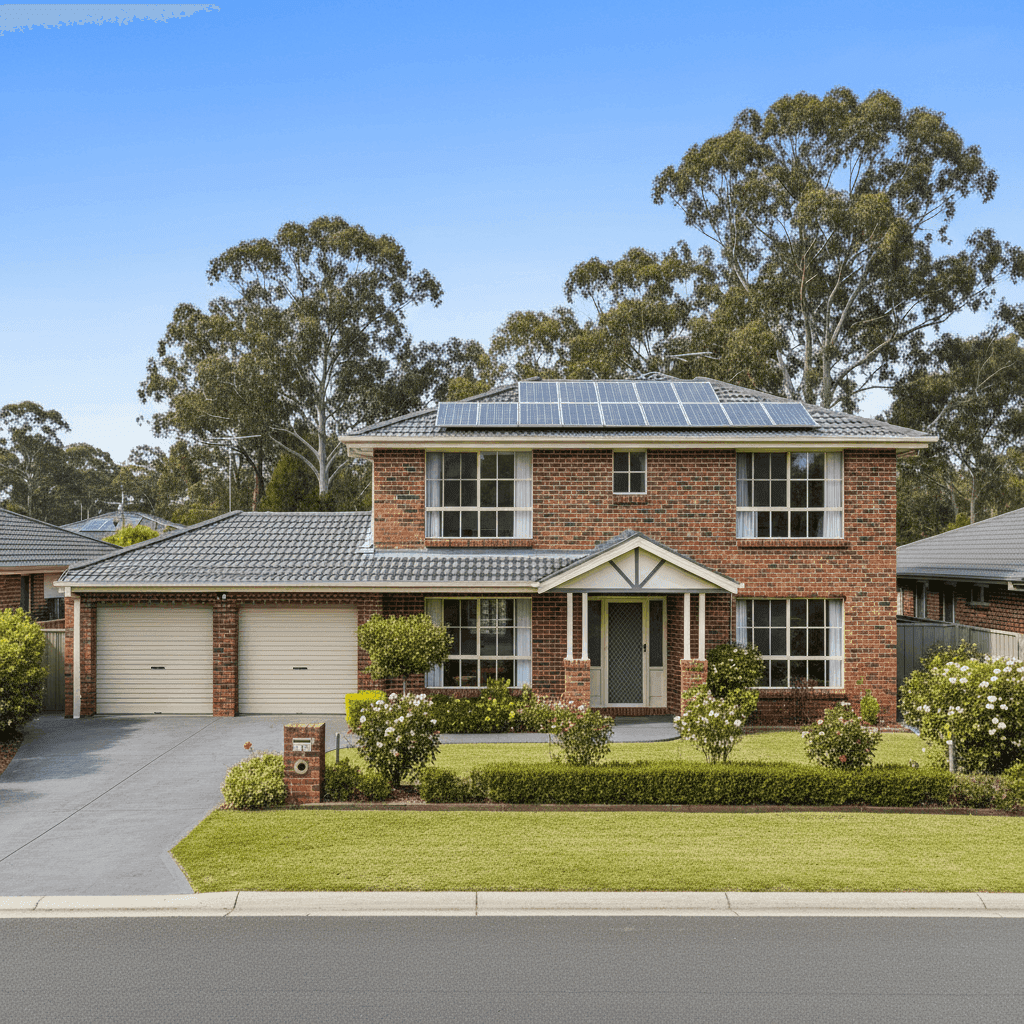
Kanahooka is a quiet residential suburb in the Wollongong local government area, sitting roughly 80 kilometres south of Sydney. Known for its leafy streets and family-friendly character, it attracts homeowners looking for space without the price tag of the city. This article breaks down a real home and contents insurance quote for a five-bedroom, free-standing brick veneer home in the 2530 postcode — and puts that figure into context against suburb, state, and national benchmarks.
---
Is This Quote Fair?
The short answer: yes — and then some.
This property received an annual premium of $1,599 (or roughly $157 per month), which CoverClub has rated as Cheap (Below Average) relative to comparable properties in the area. That's a meaningful distinction. A "cheap" rating doesn't mean the cover is inadequate — it means the price is genuinely competitive when stacked against what other homeowners in Kanahooka are paying for similar protection.
The building is insured for $1,148,000, which is a substantial sum insured for a 367 sqm home built in 1995 — and reflects appropriate replacement cost coverage rather than market value. Contents are covered for $30,000. The building excess sits at $5,000 and the contents excess at $2,000, which are on the higher side and likely contribute to keeping the annual premium down. If budget allows, it's worth considering whether a lower excess would be worthwhile — particularly for contents claims, which tend to be smaller and more frequent.
---
How Kanahooka Compares
To appreciate how well-priced this quote is, it helps to look at the broader data. Based on quotes collected for the Kanahooka area:
| Benchmark | Premium |
|---|---|
| This quote | $1,599/yr |
| Suburb 25th percentile | $1,623/yr |
| Suburb average | $2,288/yr |
| Suburb median | $2,387/yr |
| Suburb 75th percentile | $2,787/yr |
| Wollongong LGA average | $2,751/yr |
| NSW average | $9,528/yr* |
| NSW median | $3,770/yr |
| National average | $5,347/yr* |
| National median | $2,764/yr |
Note: State and national averages are skewed upward by high-risk and high-value properties. Medians are typically a more reliable comparison for standard residential homes.
At $1,599 per year, this quote sits below the suburb's 25th percentile — meaning it's cheaper than at least 75% of quotes collected in the area. It's also well under the Wollongong LGA average of $2,751, the NSW median of $3,770, and the national median of $2,764.
For a five-bedroom home with a generous sum insured, that's a strong result. The suburb sample of 22 quotes gives us reasonable confidence in these figures, though it's always worth getting multiple quotes to ensure you're seeing the full picture of what's available.
---
Property Features That Affect Your Premium
Several characteristics of this property work in the homeowner's favour when it comes to pricing:
Brick Veneer Construction Brick veneer is one of the most common wall types in Australian suburban homes, and insurers generally view it favourably. It offers solid fire resistance and durability compared to timber-framed or weatherboard exteriors, which can translate to lower premiums.
Tiled Roof Terracotta or concrete tiles are considered a low-to-moderate risk roofing material. They're durable, fire-resistant, and widely understood by insurers — all of which helps with pricing. Metal roofs can sometimes attract slightly higher premiums due to hail sensitivity, so tiles are a solid choice here.
Slab Foundation A concrete slab foundation is straightforward for insurers to assess. It eliminates some of the subsidence and pest-related risks associated with raised timber floors, which can be a positive factor in premium calculations.
Timber and Laminate Flooring While generally not a major premium driver, timber and laminate flooring can increase the cost of a contents or building claim if damaged by water or flooding. It's worth ensuring your policy adequately covers floor replacement.
Solar Panels This property has solar panels installed. Most home and contents policies cover solar panels as part of the building, but it's essential to confirm this with your insurer. Panels can be costly to replace after storm or hail damage, so verifying that they're included — and at what value — is an important step.
No Pool, No Cyclone Risk The absence of a pool removes a common liability and maintenance concern that can nudge premiums upward. Kanahooka is also outside designated cyclone risk zones, which is a significant cost advantage compared to properties in northern Queensland or parts of Western Australia.
Built in 1995 A home approaching 30 years old sits in a reasonable middle ground for insurers. It's not so old as to raise serious concerns about outdated wiring or plumbing, but not brand new either. Keeping up with maintenance and renovations can help avoid claim complications down the track.
---
Tips for Homeowners in Kanahooka
1. Review your sum insured regularly Construction costs have risen sharply across Australia in recent years. A sum insured set several years ago may no longer reflect the true cost of rebuilding your home. Use a building cost calculator or speak with a quantity surveyor to make sure $1,148,000 still holds up — particularly for a 367 sqm home with quality fittings.
2. Check your solar panel coverage If your policy covers solar panels as part of the building, confirm the replacement value included. Panels installed several years ago may have a different replacement cost today. Some insurers cap solar coverage, so read the Product Disclosure Statement (PDS) carefully.
3. Consider whether your excess is working for you A $5,000 building excess is relatively high. While it keeps premiums lower, it means you'd be out of pocket significantly before your insurer steps in. If your financial buffer has grown since you took out the policy, it may be worth modelling a lower excess — the premium difference is sometimes smaller than expected.
4. Don't overlook contents $30,000 in contents cover is a starting point, but for a five-bedroom, three-bathroom home, it may be worth revisiting. Furniture, appliances, clothing, electronics, and personal items can add up quickly. A home inventory — even a rough one — can help you assess whether you're adequately covered.
---
Compare Your Options with CoverClub
Whether you're renewing an existing policy or shopping around for the first time, comparing quotes is the single most effective way to make sure you're not overpaying. CoverClub makes it easy to see what multiple insurers would charge for your specific property — in minutes, without the back-and-forth. Get a home insurance quote today and see how your premium stacks up.