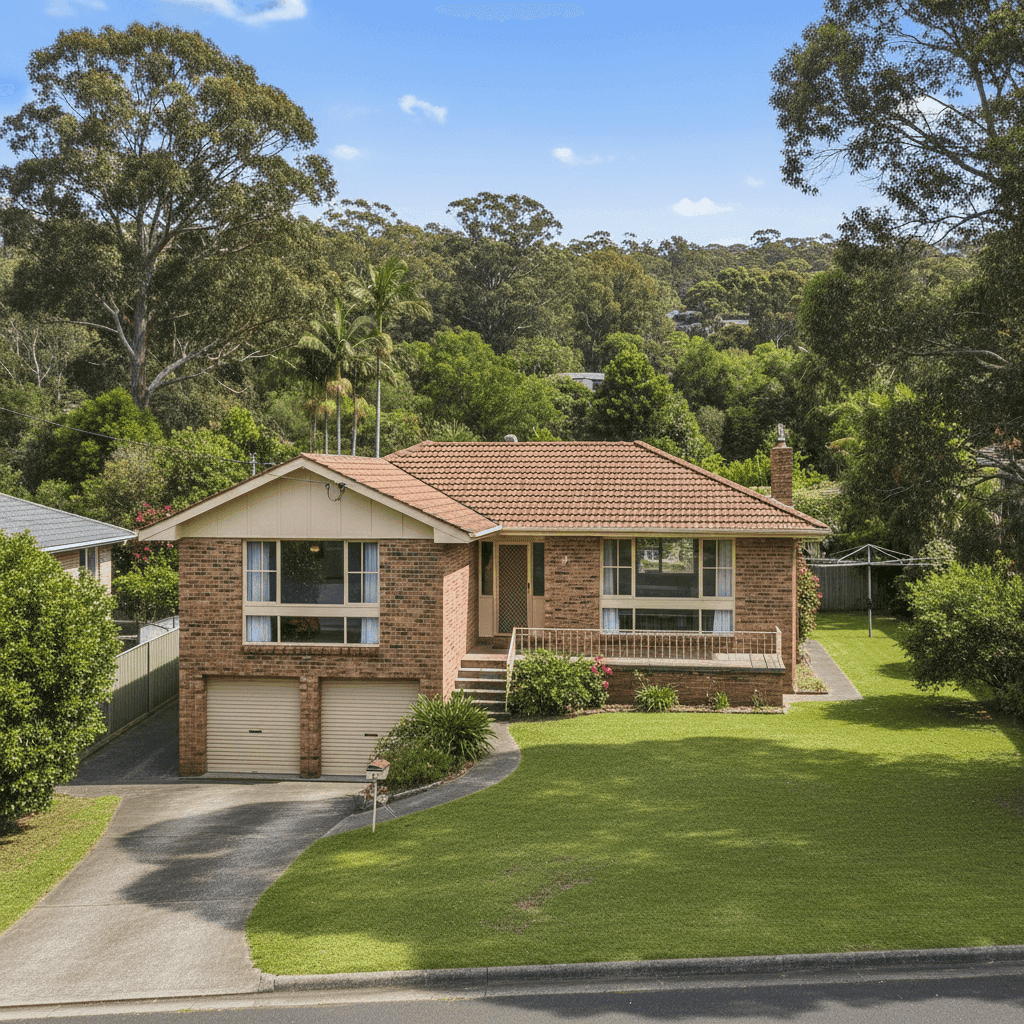
If you own a free standing home in Karangi, NSW 2450, you already know this part of the mid-North Coast has a lot going for it — lush hinterland surrounds, proximity to Coffs Harbour, and a relaxed lifestyle. But when it comes to home insurance, Karangi homeowners can face some eye-watering premiums. This article breaks down a real home and contents insurance quote for a 3-bedroom property in the area, puts it in context against state and national benchmarks, and offers practical advice for keeping your cover costs under control.
---
Is This Quote Fair?
The quote in question comes in at $23,207 per year (or $2,280/month) for a combined home and contents policy — covering a building sum insured of $616,000 and contents valued at $101,000. The building excess sits at $3,000 and the contents excess at $600.
Our price rating for this quote is EXPENSIVE (Above Average) — and the numbers back that up clearly.
To put it bluntly, this premium is roughly six times the NSW state average of $3,801/year and nearly eight times the national average of $2,965/year. Even when you account for the relatively high sum insured, that's a significant gap that warrants scrutiny. Homeowners receiving a quote in this range should absolutely shop around before committing — there may be meaningful savings available without sacrificing the level of cover you need.
That said, it's important to understand why premiums in certain pockets of regional NSW can climb this high. Insurers price risk based on a range of location-specific factors, and some areas carry a heavier burden than others.
---
How Karangi Compares
Benchmarking this quote against available data reveals just how elevated this premium is:
| Benchmark | Annual Premium |
|---|---|
| This Quote | $23,207 |
| Clarence Valley LGA Average | $6,052 |
| NSW State Average | $3,801 |
| NSW State Median | $3,410 |
| National Average | $2,965 |
| National Median | $2,716 |
Even within the Clarence Valley LGA — which already carries an above-average premium of $6,052/year — this quote is nearly four times higher. You can explore more local pricing data on our Karangi suburb stats page, compare it to the broader NSW insurance landscape, or see how it stacks up against national benchmarks.
The Clarence Valley LGA average being well above the state norm already signals that this region is considered higher risk by insurers — a pattern seen across many parts of regional and coastal NSW. Karangi, sitting in the hinterland behind Coffs Harbour, can be exposed to risks such as heavy rainfall, flooding, and bushfire, all of which feed into underwriting decisions.
---
Property Features That Affect Your Premium
Several characteristics of this particular property will be influencing the quote, both positively and negatively.
Double Brick Walls
Double brick construction is generally viewed favourably by insurers. It's durable, fire-resistant, and holds up well in storms compared to lighter cladding materials. This should, in theory, work in the homeowner's favour — though it doesn't always translate to a dramatically lower premium when location risk is the dominant factor.
Tiled Roof
A tiled roof is considered a solid, low-maintenance roofing choice by most insurers. Tiles are more resilient than corrugated iron in many weather events and typically attract standard (rather than loaded) premiums. This is a positive feature for insurability.
Stump Foundation
Homes built on stumps — common in older Queensland and NSW builds — can be a point of concern for some insurers. Stumped foundations are more susceptible to movement, moisture ingress, and pest damage over time. For a home built in 1983, the stumps may be approaching an age where inspection and maintenance become important considerations.
Age of the Property (1983)
A home built over 40 years ago may have older electrical wiring, plumbing, and structural components that increase the likelihood of a claim. Insurers factor building age into their risk models, and older homes often attract higher premiums as a result.
Building Size and Sum Insured
At 130 sqm and a building sum insured of $616,000, the rebuild cost is relatively high on a per-square-metre basis. It's worth ensuring this figure accurately reflects current construction costs in your area — neither over-insuring nor under-insuring is ideal. An independent building valuation can help confirm the right number.
Standard Fittings
Standard-quality fittings are a neutral factor — they won't inflate your premium the way high-end or custom finishes might, which is a small but genuine advantage.
---
Tips for Homeowners in Karangi
If you're staring down a premium of this size, here are some practical steps worth considering:
1. Compare Multiple Insurers — Don't Accept the First Quote
This is the single most impactful thing you can do. Premium variation between insurers for the same property can be enormous, particularly in regional areas where some providers price conservatively (or choose not to compete at all). Use a comparison platform like CoverClub to see multiple quotes side by side.
2. Review Your Sum Insured Carefully
A $616,000 building sum insured is substantial for a 130 sqm home. While you should never under-insure, it's worth getting a professional rebuild cost estimate to make sure this figure is accurate. Overstating the sum insured means you're paying a higher premium than necessary.
3. Consider Raising Your Excess
The building excess on this policy is $3,000, which is already on the higher side. However, if you're financially comfortable absorbing a larger out-of-pocket cost in the event of a claim, increasing your excess further can bring your annual premium down. Just make sure you have the funds readily available if you need to make a claim.
4. Ask About Discounts and Bundling
Some insurers offer discounts for security upgrades (deadbolts, alarm systems, monitored security), loyalty programmes, or bundling home and contents together (which this policy already does). It's always worth asking what discounts are available — they're not always advertised upfront.
---
Ready to Find a Better Deal?
A premium of over $23,000 a year is significant by any measure, and you deserve to know whether you're getting value for money. At CoverClub, we make it easy to compare home and contents insurance quotes from multiple providers — so you can find the right level of cover at a price that makes sense for your situation.