Kariong is a quiet, established suburb nestled in the foothills of the Central Coast, roughly halfway between Sydney and Newcastle. Known for its leafy streets and family-friendly atmosphere, it's a popular choice for homeowners seeking space without straying too far from urban amenities. If you own a free-standing home here — or you're thinking of buying one — understanding what you should expect to pay for home and contents insurance is an important part of managing your household budget.
This article breaks down a real insurance quote for a 3-bedroom, 1-bathroom free-standing home in Kariong, comparing it against local, state, and national benchmarks to help you decide whether your own premium stacks up.
---
Is This Quote Fair?
The quote in question comes in at $2,303 per year (or $236/month) for combined home and contents cover, with a building sum insured of $495,000 and contents valued at $50,000. The building excess is set at $3,000, and the contents excess at $1,000.
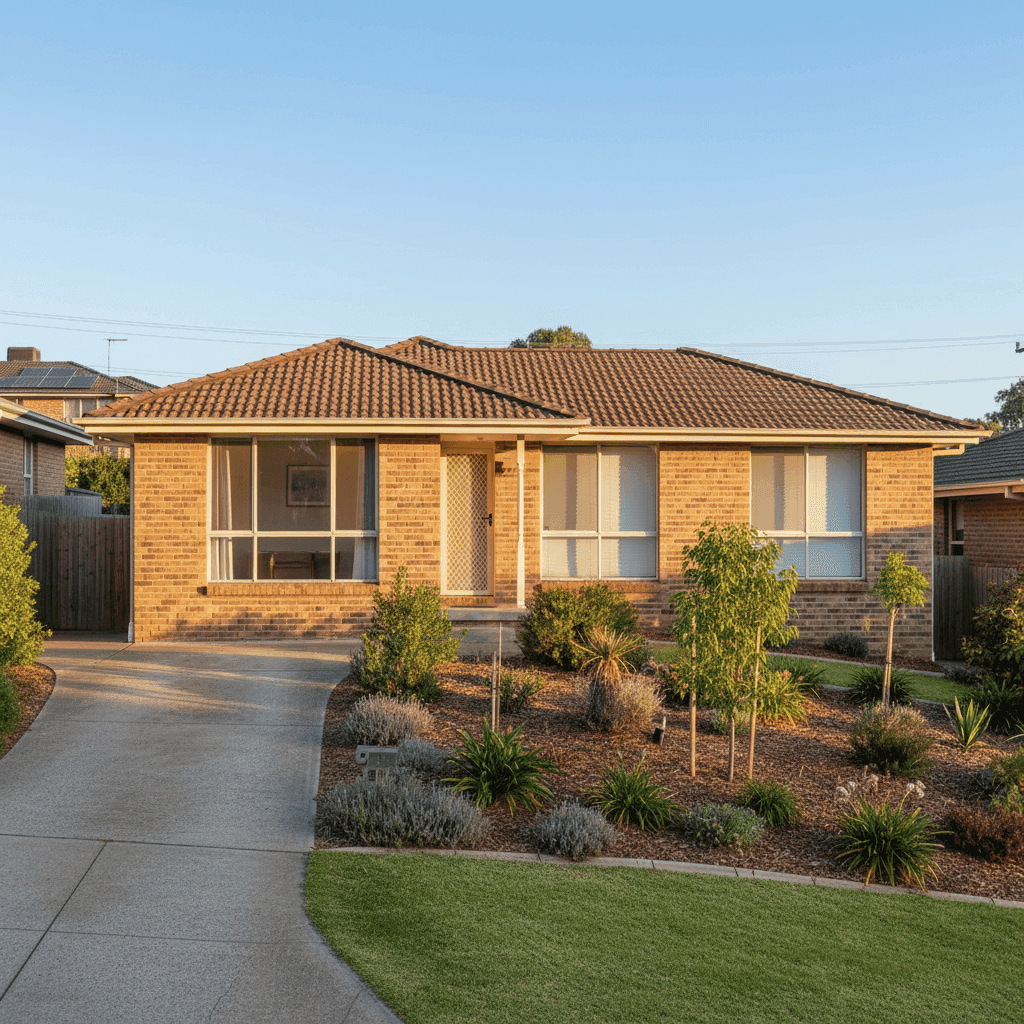
Our pricing engine has rated this quote as Fair — Around Average, which is a reasonable outcome for a property of this type in Kariong. It's not the cheapest cover available in the area, but it's also comfortably below what many homeowners in this postcode are paying. Given the property's characteristics — brick veneer walls, a tiled roof, slab foundation, and an elevated position — this premium reflects a balanced risk profile with no major red flags pushing the price skyward.
A "Fair" rating essentially means you're not overpaying significantly, but there may still be room to shop around and find a more competitive price for equivalent cover. It's always worth comparing, even when a quote looks reasonable on the surface.
---
How Kariong Compares
To put this quote in proper context, it helps to look at how it sits relative to other premiums in the area. Based on data from 32 quotes collected for the Kariong area (postcode 2250):
| Benchmark | Premium |
|---|---|
| This Quote | $2,303/yr |
| Suburb Average | $2,622/yr |
| Suburb Median | $2,366/yr |
| Suburb 25th Percentile | $1,694/yr |
| Suburb 75th Percentile | $3,602/yr |
| NSW Average | $9,528/yr |
| NSW Median | $3,770/yr |
| National Average | $5,347/yr |
| National Median | $2,764/yr |
| Hawkesbury LGA Average | $10,350/yr |
At $2,303/yr, this quote sits below both the suburb average ($2,622) and the suburb median ($2,366), which is an encouraging sign. It's also well below the NSW state average of $9,528/yr — though it's worth noting that the NSW average is heavily skewed by high-risk flood and bushfire zones across the state, including parts of the greater Hunter and Hawkesbury regions. The national average of $5,347/yr tells a similar story; extreme weather-prone areas in Queensland and Northern Australia pull that figure up considerably.
Compared to the broader Hawkesbury LGA average of $10,350/yr, Kariong looks very affordable — a reflection of the suburb's relatively lower exposure to the catastrophic flood risk that affects much of the Hawkesbury-Nepean valley to the south and west.
The 25th–75th percentile spread ($1,694 to $3,602) shows there's meaningful variation in what Kariong homeowners pay, so if you're sitting above the median, it's definitely worth getting a few more quotes.
---
Property Features That Affect Your Premium
Several characteristics of this particular property influence how insurers price the risk:
Brick Veneer Walls & Tiled Roof Brick veneer construction with a tiled roof is widely regarded as a low-to-moderate risk combination by Australian insurers. Brick veneer offers solid fire resistance and durability, while concrete or terracotta tiles are far more resilient than corrugated iron or colorbond in hail events. This combination generally attracts more favourable premiums than timber-framed or clad homes.
Slab Foundation A concrete slab foundation is the most common foundation type in post-1980s Australian construction and is generally viewed positively by underwriters. It's less susceptible to subsidence issues than older stumped or pier foundations, and it offers no subfloor cavity for moisture or pest intrusion.
Elevated by at Least 1 Metre The property being elevated by at least one metre is a notable feature. While Kariong itself isn't a high-flood-risk suburb, elevation can still play a role in how insurers assess storm and surface water runoff risk. In some cases, elevation can work in a homeowner's favour by reducing the likelihood of water ingress during heavy rainfall events.
1994 Build Year Homes built in the early-to-mid 1990s generally benefit from modern building codes while avoiding the higher maintenance costs sometimes associated with much older stock. At around 30 years old, this home is at an age where some insurers begin to factor in wear and the potential for ageing infrastructure (roofing, plumbing, electrical), though it's not yet in the high-risk category.
143 sqm, Standard Fittings At 143 sqm with standard-quality fittings, the $495,000 building sum insured works out to roughly $3,462/sqm — a reasonable rebuild cost estimate for a brick veneer home in regional NSW, accounting for current construction costs.
No Pool, Solar Panels, or Ducted Climate Control The absence of a pool, solar panels, and ducted air conditioning simplifies the risk profile and removes several items that can add to both the sum insured and the premium. Pools in particular can increase liability exposure, so their absence is a modest positive for pricing.
---
Tips for Homeowners in Kariong
1. Review Your Building Sum Insured Regularly Construction costs in NSW have risen sharply over the past few years. If your building sum insured hasn't been updated recently, you may be underinsured without realising it. Use a building cost calculator or ask your insurer to confirm your coverage reflects current rebuild costs in the Central Coast region.
2. Adjust Your Excess Strategically This quote carries a $3,000 building excess and a $1,000 contents excess. Opting for a higher excess is one of the most straightforward ways to reduce your annual premium — but make sure you can genuinely afford to pay it out of pocket if you need to make a claim. A $5,000 excess might save you $200/yr, but it needs to suit your financial situation.
3. Shop Around at Renewal Time Even a "Fair" rated quote has room for improvement. Insurance pricing varies significantly between providers for the same property, and loyalty doesn't always pay — many insurers offer better rates to new customers. Set a reminder to compare quotes at least 3–4 weeks before your renewal date.
4. Check for Discounts You May Be Missing Some insurers offer discounts for bundling home and contents (which this policy already does), for being claims-free over multiple years, or for paying annually rather than monthly. Paying monthly typically adds a financing cost of 10–20% annually, so if cash flow allows, paying upfront is usually the smarter financial move.
---
Compare Your Options with CoverClub
Whether you're reviewing an existing policy or shopping for the first time, getting a second opinion on your premium is always worthwhile. CoverClub makes it easy to compare home and contents insurance quotes for properties across Kariong and the wider Central Coast. Start your free quote comparison today and see how much you could save — or simply confirm that what you're already paying is genuinely competitive.