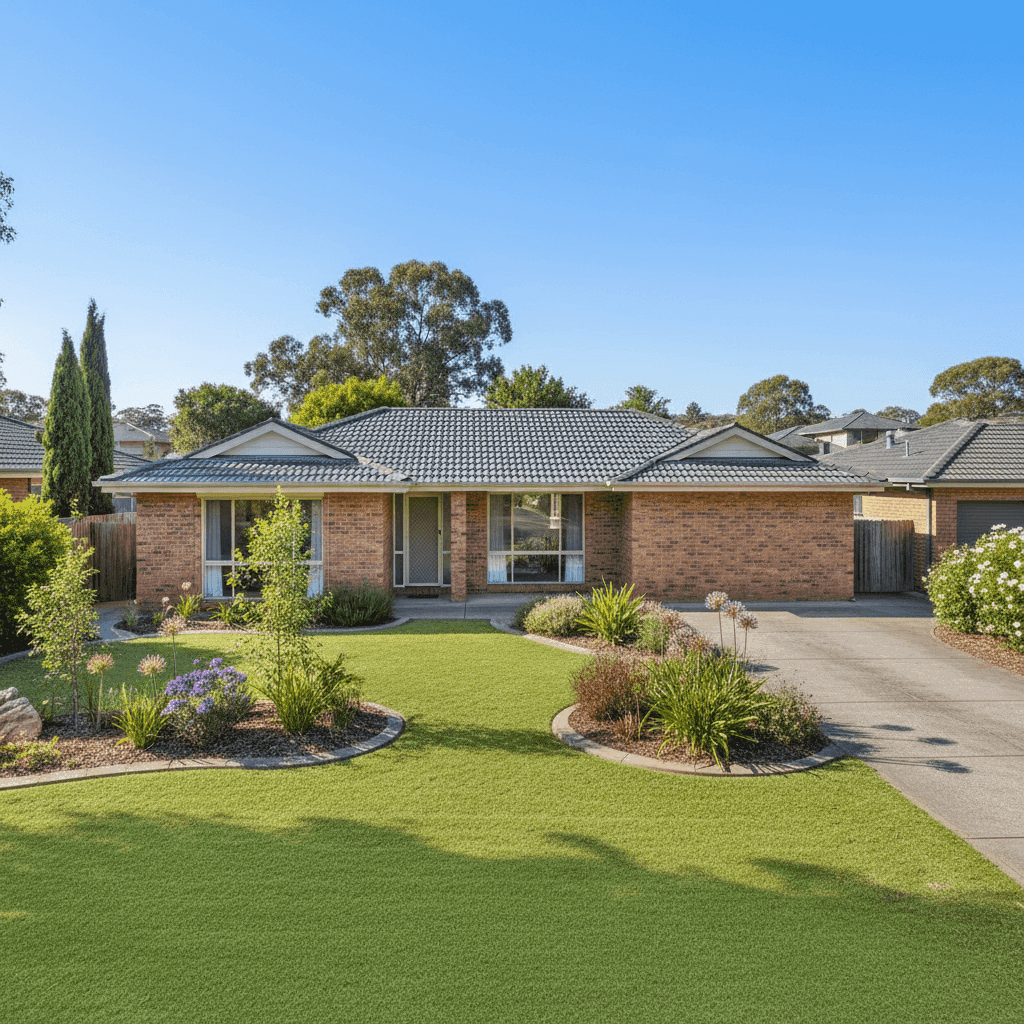
If you own a free standing home in Kariong, NSW 2250, you're likely no stranger to the question: am I paying too much for home insurance? Kariong is a well-established suburb on the Central Coast, characterised by quiet streets, family homes, and a strong sense of community. It's also a suburb where insurance premiums can vary quite a bit depending on the insurer, the property, and the level of cover you choose.
This article breaks down a real home and contents insurance quote for a four-bedroom, brick veneer home in Kariong — walking you through how the price stacks up against local, state, and national benchmarks, what property features are likely influencing the cost, and what you can do to make sure you're getting the best deal.
---
Is This Quote Fair?
The quote in question comes in at $1,760 per year (or $172/month) for combined home and contents cover, with a building sum insured of $695,000 and contents valued at $50,000. The building excess is $2,000 and the contents excess is $1,000.
Our pricing engine has rated this quote as Fair — Around Average. That means it's not a standout bargain, but it's also not overpriced. For a property of this size and construction type in Kariong, the premium sits in a reasonable range.
To put that in context:
- The suburb average for Kariong (postcode 2250) is $2,418/yr, with a median of $2,045/yr
- This quote of $1,760 sits below both the suburb average and median, placing it closer to the 25th percentile ($1,570/yr) than the 75th ($2,847/yr)
So while "Fair" might sound middling, the reality is that this quote is actually performing better than most in the local area. Homeowners paying closer to the suburb average are spending over $650 more per year for similar cover.
You can explore more pricing data for this postcode at the Kariong suburb stats page.
---
How Kariong Compares
One of the more striking findings in this analysis is just how competitive Kariong premiums are relative to broader benchmarks.
| Benchmark | Average Premium |
|---|---|
| Kariong (suburb average) | $2,418/yr |
| Kariong (suburb median) | $2,045/yr |
| NSW state average | $3,801/yr |
| NSW state median | $3,410/yr |
| National average | $2,965/yr |
| National median | $2,716/yr |
| Hawkesbury LGA average | $4,423/yr |
The quote of $1,760 sits well below every single one of these benchmarks. Compared to the NSW state average of $3,801, this homeowner is saving over $2,000 per year — a significant difference. Even against the national average of $2,965, the saving is more than $1,200 annually.
It's also worth noting that the Hawkesbury LGA average of $4,423 is considerably higher than Kariong's suburb average, which suggests that Kariong benefits from relatively lower risk factors compared to other parts of the broader region. Flood-prone and bushfire-exposed areas within the LGA can push premiums significantly higher, so Kariong's more modest figures reflect its comparatively lower risk profile.
That said, with only 23 quotes in the suburb sample, the local dataset is relatively small. Premiums can shift as more data comes in, so it's worth revisiting your quote at renewal time.
---
Property Features That Affect Your Premium
Several characteristics of this property are likely working in the homeowner's favour when it comes to pricing.
Brick veneer construction is generally viewed favourably by insurers. It's durable, fire-resistant, and widely used in Australian residential builds from the 1980s and 1990s. Compared to weatherboard or lightweight cladding, brick veneer tends to attract lower premiums.
A tiled roof is another positive. Tiles are long-lasting and perform well in a range of weather conditions. They're less susceptible to wind damage than corrugated iron in moderate wind events, and they don't carry the same fire risk as some other materials.
Slab foundation construction is standard and well-regarded by insurers. It eliminates the underfloor space that can complicate claims in some older homes and is associated with stable, predictable structural performance.
Timber and laminate flooring is worth noting from a contents and building perspective. While stylish and practical, timber flooring can be more susceptible to water damage than tiles, which is something to keep in mind when assessing your contents and building cover limits.
The property was built in 1994, placing it in a relatively modern bracket. Homes from this era typically benefit from construction standards that predate some of the more significant updates to the Building Code of Australia, but they're still considered structurally sound and well-maintained compared to much older stock.
The 235 sqm building size is above average for the suburb type, which is reflected in the $695,000 building sum insured. It's important that this figure accurately reflects the cost to rebuild the home (not its market value), including demolition, materials, and labour at current rates.
The absence of a pool, solar panels, and ducted climate control keeps things straightforward — each of those features can add complexity (and cost) to a policy.
---
Tips for Homeowners in Kariong
1. Make sure your building sum insured reflects rebuild costs, not market value Property prices on the Central Coast have risen significantly in recent years, and it can be tempting to align your sum insured with what homes are selling for. But insurers pay out based on rebuild cost, not market value. Use a building cost calculator or speak to a quantity surveyor to make sure $695,000 is still an accurate figure — especially given recent increases in construction material and labour costs.
2. Review your contents cover annually $50,000 in contents cover is on the lower end for a four-bedroom home. Take stock of your furniture, appliances, electronics, clothing, and valuables. If you've made significant purchases in the past year, your contents cover may need updating to avoid being underinsured in the event of a claim.
3. Consider your excess strategy A $2,000 building excess and $1,000 contents excess are relatively high. Higher excesses generally reduce your premium, but they also mean more out-of-pocket costs if you need to make a claim. Make sure you have that amount readily accessible — otherwise, a lower excess might be worth the slightly higher premium.
4. Compare quotes at renewal — every year Insurers regularly reprice their books, and loyalty doesn't always pay. The fact that this quote sits below the suburb average is a good sign, but that doesn't mean it will remain competitive at renewal. Set a reminder to compare quotes before your policy auto-renews. A few minutes of comparison could save you hundreds.
---
Ready to Compare Home Insurance in Kariong?
Whether you're reviewing an existing policy or shopping for cover on a new property, CoverClub makes it easy to see how your quote stacks up. Get a home insurance quote today and compare your options side by side — so you can make a confident, informed decision about protecting one of your most valuable assets.