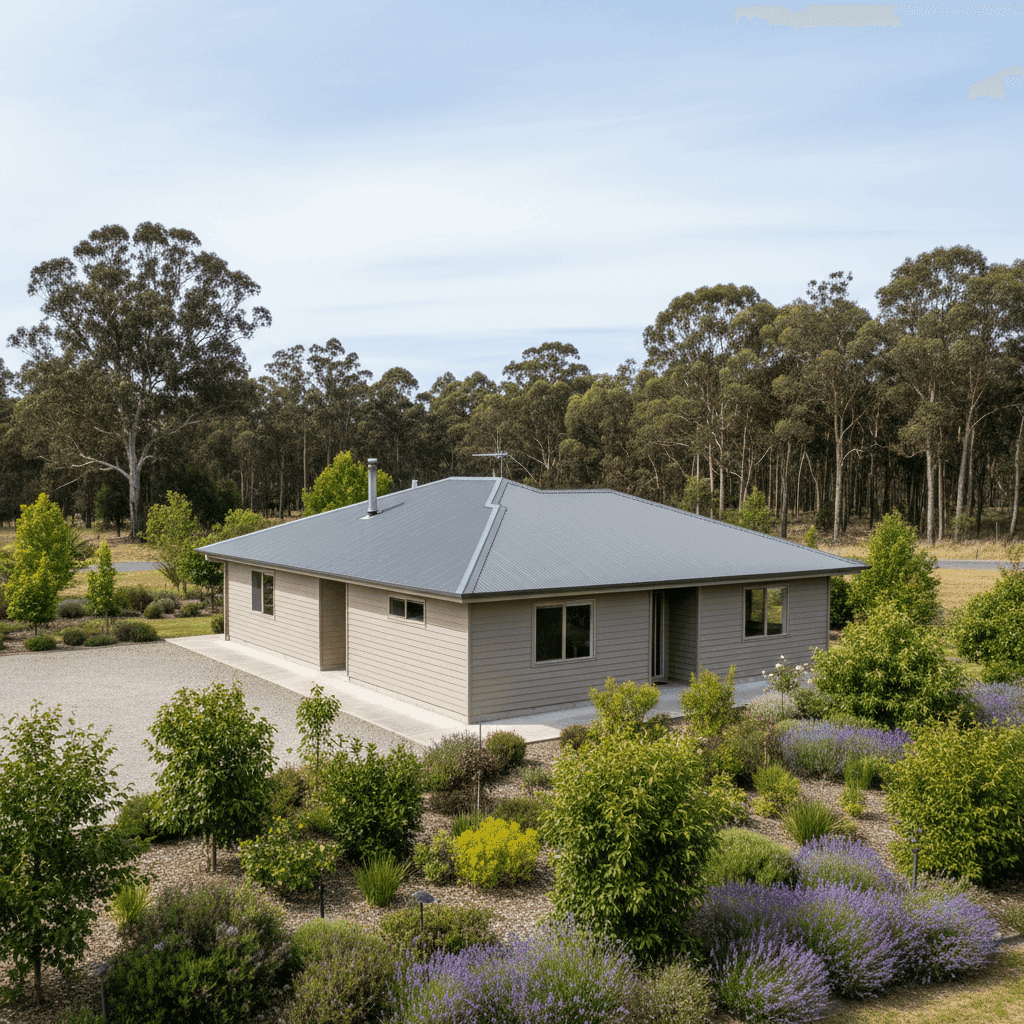
If you own a free standing home in Kayena, TAS 7270, you may be wondering whether your building insurance premium is reasonable — or whether you're paying too much (or too little) for the cover you have. This article breaks down a real building-only insurance quote for a three-bedroom weatherboard home in Kayena, comparing it against local, state, and national benchmarks to help you make a more informed decision.
---
Is This Quote Fair?
The quote in question comes in at $1,470 per year (or roughly $158 per month) for building-only cover on a free standing home with a sum insured of $600,000 and a building excess of $3,000.
Our price rating for this quote? CHEAP — below average. That's genuinely good news for the homeowner.
To put it in context: the average home insurance premium across Tasmania sits at $2,814 per year, with a state median of $2,326 per year. This quote comes in significantly below both figures — roughly 48% below the state average and about 37% below the state median. When you zoom out to a national lens, the gap is even more striking. The national average premium is $5,347 per year, with a national median of $2,764 — meaning this Kayena quote is less than a third of what the average Australian homeowner pays for building insurance.
Even compared to the Local Government Area (LGA) of Latrobe (Tas.), where the average premium is $2,263 per year, this quote still comes in well below the local norm.
Of course, a lower premium doesn't automatically mean better value — it's worth checking what's included in the policy, what's excluded, and whether the sum insured is adequate. But on price alone, this quote is competitive.
---
How Kayena Compares
Suburb-level premium data for Kayena isn't yet available in our dataset, but we can draw useful comparisons from the broader region. Here's a snapshot:
| Benchmark | Annual Premium |
|---|---|
| This Quote | $1,470 |
| LGA Average (Latrobe, Tas.) | $2,263 |
| TAS State Average | $2,814 |
| TAS State Median | $2,326 |
| National Average | $5,347 |
| National Median | $2,764 |
Kayena is a small semi-rural locality on the western shore of the Tamar River in northern Tasmania, sitting within the Latrobe LGA. The area is characterised by relatively low population density, modest flood and storm risk compared to coastal or urban zones, and a general absence of the extreme weather events (such as cyclones) that drive premiums sky-high in parts of Queensland and Western Australia. These factors likely contribute to the more affordable premiums seen in this region.
You can explore more local data on the Kayena suburb stats page as it becomes available.
---
Property Features That Affect Your Premium
Every home is different, and insurers weigh up a range of property characteristics when calculating your premium. Here's how the features of this particular home are likely influencing the quote:
Weatherboard timber walls are one of the more significant factors. Timber-clad homes — particularly older ones — are generally considered higher risk than brick veneer or double-brick construction, as they are more susceptible to fire and can be more expensive to repair or replace. This can push premiums upward, though the effect may be offset by other low-risk features.
Steel/Colorbond roof is a positive from an insurer's perspective. Colorbond is durable, low-maintenance, and performs well in wind and hail events. It's a common roofing choice across regional Tasmania and tends to attract more favourable pricing than older materials like terracotta tiles or fibrous cement.
Slab foundation is generally considered stable and low-risk, particularly in areas without significant soil movement or flood exposure.
Construction year: 1966 — homes built in the 1960s can attract slightly higher premiums due to the age of materials, wiring, and plumbing. Older homes may not meet current building codes, which can increase rebuilding costs. That said, many older Tasmanian homes have been well-maintained or partially updated over the decades.
No pool, no solar panels, no ducted climate control — these absences each remove potential risk factors or complexity from the policy. Pools introduce liability concerns, solar panels can complicate roof claims, and ducted systems add mechanical components that may be claimed against. Their absence here keeps things straightforward.
Building size: 214 sqm with standard fittings — a moderately sized home with standard-quality fixtures is generally easier and less costly to rebuild than a larger home with premium fittings, which helps keep the sum insured and premium in check.
---
Tips for Homeowners in Kayena
Whether you're reviewing an existing policy or shopping for the first time, here are four practical tips tailored to homeowners in this part of Tasmania:
- Review your sum insured regularly. Construction costs in Tasmania have risen considerably in recent years. A sum insured of $600,000 may be appropriate today, but it's worth reassessing annually — particularly for a 214 sqm home with a weatherboard exterior, where rebuild costs can vary. Use a building cost calculator or speak with a quantity surveyor if you're unsure.
- Consider the impact of your excess. This quote carries a $3,000 building excess. A higher excess typically lowers your premium, but it also means more out-of-pocket costs at claim time. Make sure you're comfortable with that trade-off and that you could comfortably cover the excess if needed.
- Maintain your weatherboard cladding. Timber weatherboard requires regular upkeep — painting, sealing, and checking for rot or pest damage. Some insurers may reduce or deny claims if damage is attributed to lack of maintenance. Keeping your home in good condition also helps preserve its rebuild value.
- Don't assume the cheapest quote is always the best. While this quote is priced well below average, it's worth reading the Product Disclosure Statement (PDS) carefully. Check for exclusions around storm damage, escape of liquid, and accidental damage — and confirm whether the policy offers replacement value or indemnity value for the building.
---
Compare Your Options with CoverClub
Whether this quote matches your current policy or you're starting fresh, it pays to compare. At CoverClub, we help Australian homeowners benchmark their premiums against real market data — so you always know where you stand. Get a home insurance quote today and see how your property stacks up against the rest of Tasmania and the nation.