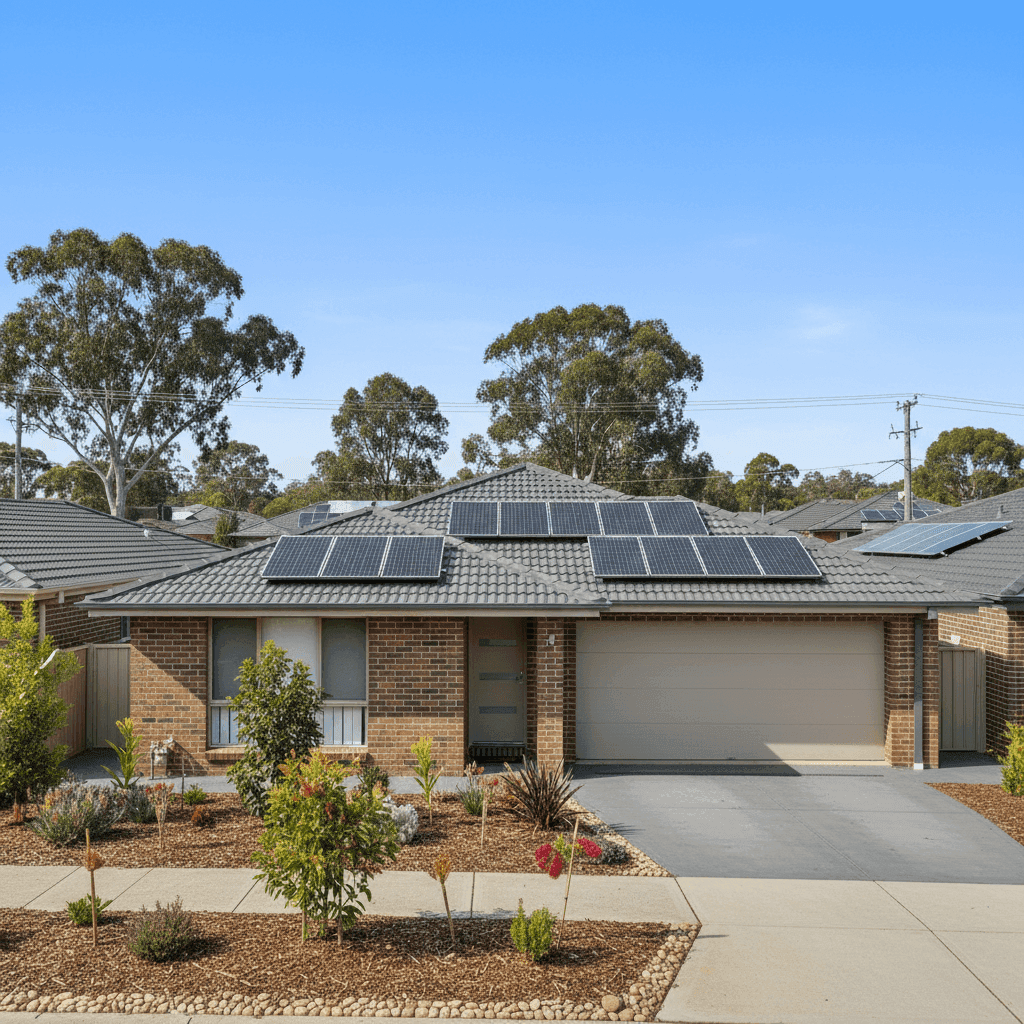
Kearns is a quiet, well-established suburb in Sydney's south-west, sitting within the Campbelltown Local Government Area. Like much of the outer metropolitan fringe, it's a predominantly residential area characterised by family-sized homes on generous blocks — exactly the kind of property we're looking at here: a five-bedroom, two-bathroom free standing home built in 1970, with brick veneer walls, a tiled roof, and a slab foundation. If you own or are considering buying a similar property in the area, understanding what a fair home and contents insurance premium looks like is a smart first step.
---
Is This Quote Fair?
The short answer: yes — and then some.
The quote we're analysing comes in at $1,942 per year (or $190/month) for combined home and contents cover, with a building sum insured of $815,000 and contents covered to $120,000. Our price rating for this quote is CHEAP — Below Average, meaning it sits well beneath what most Australians are paying for comparable cover.
To put that in perspective:
- The NSW state average for home insurance is $3,801/year
- The NSW state median sits at $3,410/year
- The national average is $2,965/year
- The national median is $2,716/year
At $1,942, this quote is roughly 49% below the NSW average and 35% below the national average. That's a substantial saving — and a reminder that shopping around really does make a difference.
It's worth noting that "cheap" doesn't mean "inadequate." The building sum insured of $815,000 is a realistic rebuild figure for a 153 sqm home in greater Sydney, and $120,000 in contents cover is a reasonable allowance for a five-bedroom household. The excesses are also straightforward: $2,000 on the building and $1,000 on contents — both within normal ranges for this type of policy.
---
How Kearns Compares
While suburb-level premium data for Kearns isn't available in our current dataset, we can draw meaningful comparisons using the Campbelltown LGA average of $2,555/year, along with state and national benchmarks.
| Benchmark | Annual Premium |
|---|---|
| This Quote | $1,942 |
| Campbelltown LGA Average | $2,555 |
| NSW State Average | $3,801 |
| NSW State Median | $3,410 |
| National Average | $2,965 |
| National Median | $2,716 |
Even against the more localised Campbelltown LGA average, this quote is $613/year cheaper — a meaningful difference. The LGA average itself is already well below the NSW state average, which suggests that the Campbelltown region is generally considered a lower-risk area compared to parts of coastal or northern NSW that face elevated flood, storm, or bushfire exposure.
For more detail on how premiums trend across the state, visit our NSW insurance statistics page, or explore national home insurance benchmarks to see how your suburb stacks up against the broader market. You can also check out Kearns-specific insurance data as our dataset grows.
---
Property Features That Affect Your Premium
Insurance underwriters don't just look at your postcode — they assess the physical characteristics of your home in detail. Here's how the features of this particular property are likely influencing the premium:
Brick Veneer Walls Brick veneer is one of the most common external wall materials in Australian suburban homes, and insurers generally view it favourably. It offers solid fire resistance and durability, which can translate to lower premiums compared to timber-clad or weatherboard homes.
Tiled Roof Terracotta or concrete tiles are considered a resilient roofing material. They hold up well in hail events and are less susceptible to storm damage than corrugated iron in many scenarios, which is a positive factor for risk assessment.
Slab Foundation A concrete slab is a standard, stable foundation type that doesn't carry the same subsidence or pest-related risks associated with older timber subfloor constructions. This contributes to a lower risk profile overall.
Construction Year: 1970 A home built in 1970 is now over 50 years old. While the brick veneer construction means it's likely structurally sound, older homes can attract slightly higher premiums due to ageing plumbing, wiring, and roofing materials. It's worth ensuring your sum insured accounts for the cost of bringing any rebuilt structure up to current building codes.
Solar Panels The presence of solar panels adds a modest layer of complexity to the risk profile. Panels can be damaged by hail or storm events and represent a meaningful replacement cost. It's important to confirm with your insurer that solar panels are explicitly covered under your building policy — some policies include them automatically, while others treat them as an optional add-on.
153 sqm Building Size & Standard Fittings At 153 sqm with standard-quality fittings, this home is modest in size relative to its five-bedroom layout. Standard fittings mean lower per-square-metre rebuild costs compared to a home with premium finishes, which helps keep the sum insured — and therefore the premium — at a reasonable level.
No Pool, No Ducted Climate Control The absence of a pool removes a common liability and maintenance risk factor. No ducted air conditioning also means fewer mechanical systems that could fail and cause damage, keeping the risk profile clean.
---
Tips for Homeowners in Kearns
1. Review your building sum insured regularly With construction costs rising across greater Sydney, a sum insured set even two or three years ago may no longer reflect the true cost of rebuilding. Use a building cost calculator or speak to a quantity surveyor to make sure you're not underinsured — especially relevant for a 1970s home where code-compliant rebuilding can be costlier than expected.
2. Confirm solar panel coverage explicitly Don't assume your solar system is covered. Ask your insurer directly whether panels are included in the building sum insured, what events are covered (storm, hail, fire), and whether there's a separate sub-limit. Getting this in writing protects you when it matters most.
3. Take advantage of the lower-risk profile in Campbelltown As the comparison data shows, Campbelltown LGA premiums are already well below the NSW average. This is a good negotiating position — use it to shop around and compare multiple quotes rather than simply renewing with your existing insurer each year.
4. Consider your contents cover carefully $120,000 in contents cover is a reasonable starting point for a five-bedroom home, but it's easy to underestimate the cumulative value of furniture, appliances, clothing, and electronics. Conduct a home inventory every year or two to make sure your contents sum insured keeps pace with what you actually own.
---
Compare Home Insurance Quotes for Your Kearns Property
Whether you're reviewing an existing policy or shopping for cover for the first time, comparing quotes is the single most effective way to make sure you're not overpaying. The difference between the cheapest and most expensive quotes for the same property can run into thousands of dollars per year — as the data above clearly shows.
Get a home insurance quote for your Kearns property at CoverClub and see how your premium stacks up against local and national benchmarks in real time.