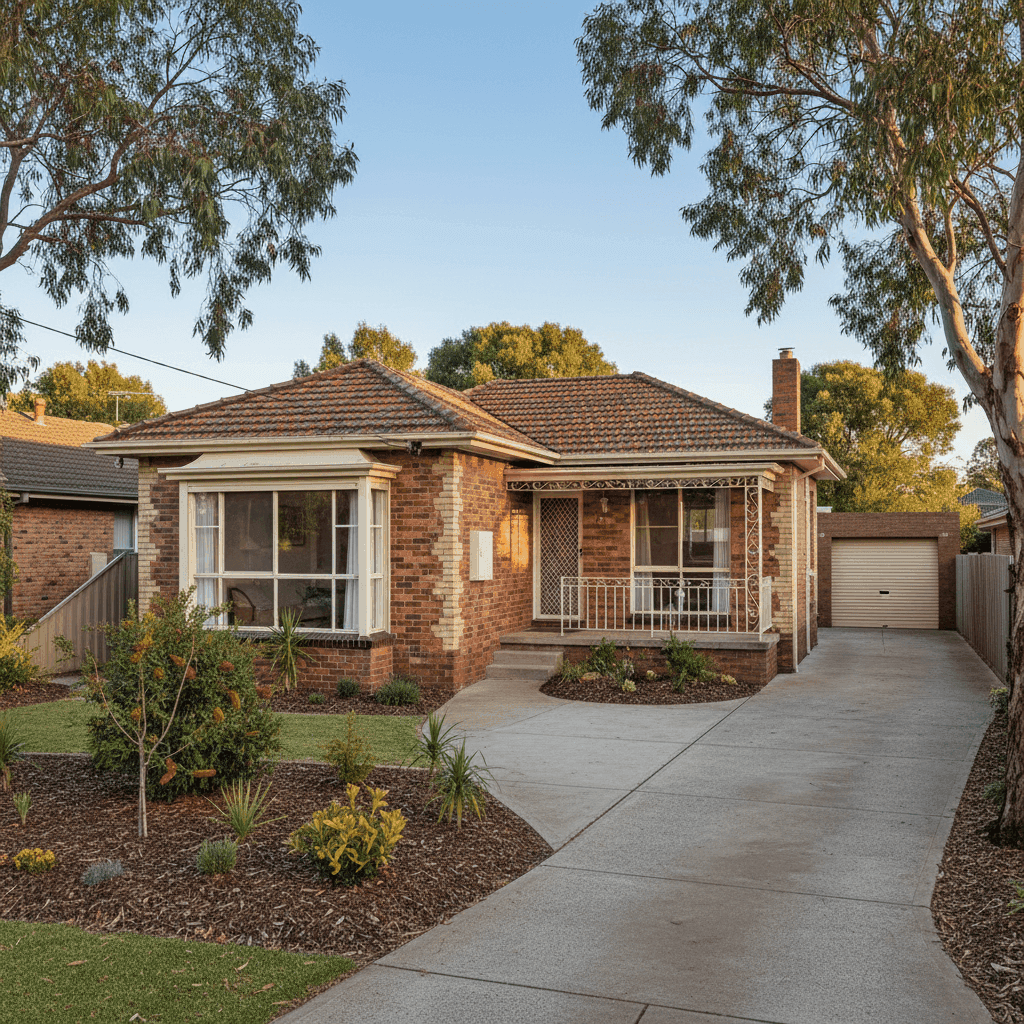
If you own a free standing home in Kearns, NSW 2558, you're probably wondering whether you're paying a fair price for home and contents insurance — or leaving money on the table. This article breaks down a real quote for a four-bedroom, two-bathroom brick veneer home in the suburb, compares it against local, state, and national benchmarks, and offers practical advice for homeowners in the area.
---
Is This Quote Fair?
The annual premium for this quote comes in at $2,037 per year (or roughly $199 per month), covering both building and contents. The building is insured for $840,000 and contents for $102,000, with a building excess of $2,000 and a contents excess of $1,000.
Our pricing analysis rates this quote as CHEAP — below average — and the numbers back that up convincingly. Compared to the NSW state average of $3,801 per year, this homeowner is paying 46% less than a typical NSW policyholder. Even against the national average of $2,965 per year, the quote is still around 31% cheaper.
For a combined home and contents policy in today's market — where premiums have been climbing steadily due to extreme weather events, rising rebuild costs, and reinsurance pressures — landing below $2,100 a year is a genuinely strong outcome. This quote represents solid value by any reasonable benchmark.
---
How Kearns Compares
To put this quote in proper context, here's how it stacks up across different comparison points:
| Benchmark | Annual Premium |
|---|---|
| This Quote | $2,037 |
| Campbelltown LGA Average | $2,555 |
| NSW State Average | $3,801 |
| NSW State Median | $3,410 |
| National Average | $2,965 |
| National Median | $2,716 |
Even within the Campbelltown LGA — which includes Kearns and surrounding suburbs — the average premium sits at $2,555 per year. This quote beats that figure by more than $500 annually.
It's worth noting that no suburb-level aggregate data is currently available specifically for Kearns 2558, which means the LGA average is the most granular local benchmark we can offer. You can explore broader NSW home insurance statistics or national home insurance data for additional context, and check back on the Kearns suburb stats page as more local data becomes available.
The Campbelltown LGA encompasses a mix of property types, ages, and risk profiles — so the fact that this quote sits comfortably below the LGA average suggests the specific characteristics of this property are working in the homeowner's favour.
---
Property Features That Affect Your Premium
Insurance pricing is never one-size-fits-all. Insurers assess a range of property-specific factors when calculating your premium, and this home has several characteristics worth understanding.
Brick Veneer Walls and Tile Roof
Brick veneer is one of the most common — and insurer-friendly — construction types in suburban Australia. It offers solid fire resistance and durability, which typically translates to lower premiums compared to timber-framed or clad homes. A tiled roof complements this well; tiles are durable, non-combustible, and widely regarded as a low-risk roofing material by underwriters.
Stump Foundation with Timber/Laminate Flooring
The home sits on stumps and is elevated by less than one metre. While stump foundations are common in older Australian homes, they can introduce some considerations around underfloor moisture and pest access. However, the sub-1m elevation means it doesn't attract the same storm surge or flood-related loading that higher-set homes in flood-prone areas might. The timber and laminate flooring is consistent with the era of construction and doesn't significantly affect the premium in either direction.
Built in 1983
At over 40 years old, this home sits in a category that insurers monitor for ageing infrastructure — particularly plumbing, electrical, and roofing systems. However, the 1983 build year is well within the range that most major insurers are comfortable covering, especially when construction quality is solid (brick veneer and tiles age well). Standard fittings quality also keeps the replacement cost estimate grounded, which helps avoid over-insurance.
Ducted Climate Control
The presence of ducted climate control is a notable inclusion. These systems are expensive to repair or replace and are factored into the building sum insured. At $840,000, the building cover appears to account for this — along with demolition, debris removal, and professional fees that are all part of a realistic rebuild cost in greater Sydney.
No Pool, No Solar Panels, Not in a Cyclone Zone
The absence of a pool and solar panels removes two common sources of claims and premium loading. Kearns is also outside designated cyclone risk areas, which is a meaningful advantage compared to properties in Queensland or northern WA where cyclone levies can add hundreds of dollars annually.
---
Tips for Homeowners in Kearns
Whether you're reviewing an existing policy or shopping for the first time, here are four practical steps to make sure you're getting the best deal.
- Verify your sum insured regularly. Building costs in greater Sydney have increased significantly over the past few years. Make sure your $840,000 sum insured still reflects current rebuild costs — not the figure you set three years ago. Underinsurance is one of the most common and costly mistakes homeowners make.
- Review your excess settings. This policy carries a $2,000 building excess and $1,000 contents excess. Opting for a higher excess is one of the most effective ways to reduce your annual premium, but make sure the excess is an amount you could genuinely afford to pay in the event of a claim.
- Bundle building and contents. This quote already covers both building and contents under a single policy, which typically attracts a discount compared to holding them separately. If you're currently insuring these independently, it's worth asking your insurer about a combined policy.
- Compare at renewal time. Insurers don't always reward loyalty with their best pricing. The insurance market shifts constantly, and the cheapest option this year may not be the cheapest next year. Make it a habit to run a comparison before you renew — even if you're happy with your current insurer.
---
Compare Your Own Quote
Curious how your own home insurance stacks up? Whether you're in Kearns or anywhere else in Australia, CoverClub makes it easy to compare quotes from multiple insurers in one place. Get a home insurance quote today and see how much you could be saving.