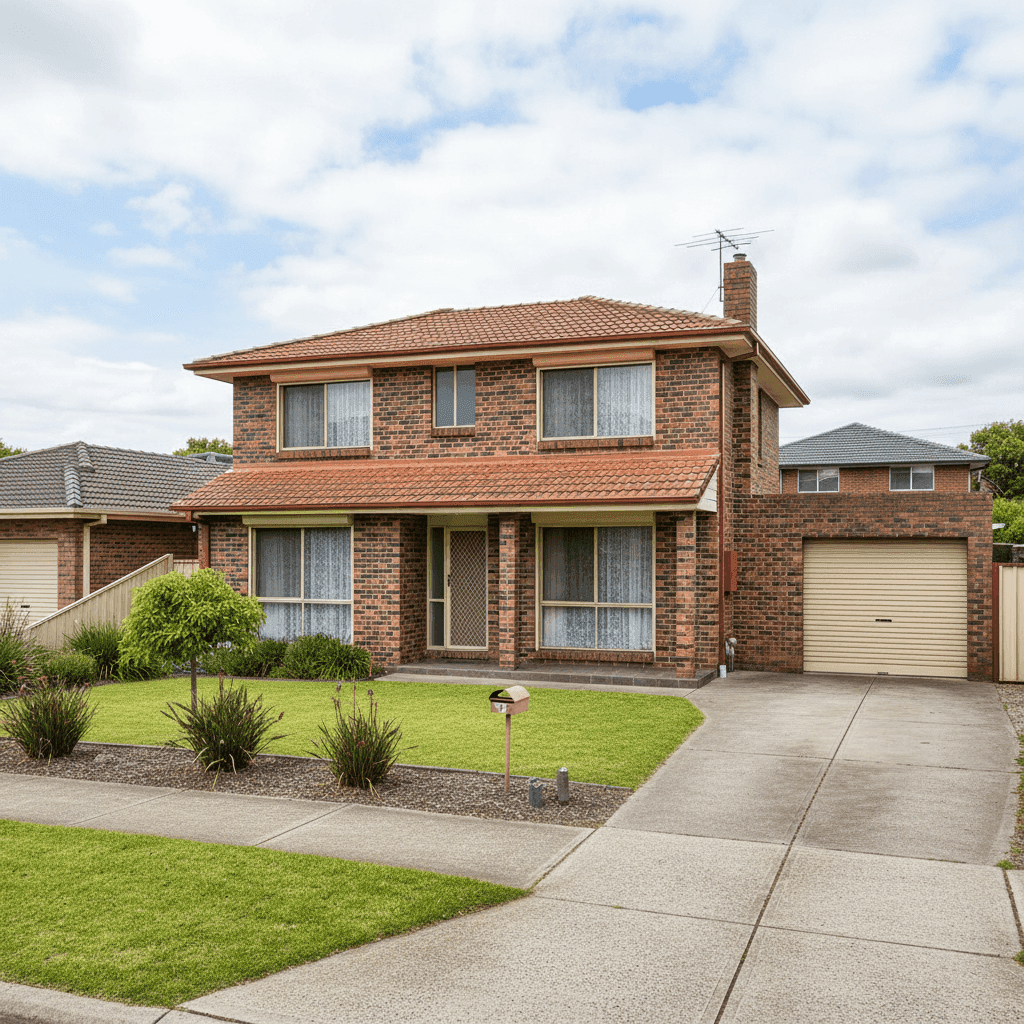
If you own a free standing home in Keilor Downs, VIC 3038, you've probably wondered whether you're paying a fair price for home insurance — or quietly overpaying year after year. This article breaks down a real building insurance quote for a four-bedroom, two-bathroom brick veneer home in the suburb, compares it against local and national benchmarks, and offers practical advice to help you make a more informed decision.
---
Is This Quote Fair?
The quote in question sits at $1,571 per year (or roughly $163 per month) for building-only cover, with a $3,000 excess and a sum insured of $764,000. Based on CoverClub's pricing data, this quote is rated Expensive — above average for the area.
To put that in perspective, the suburb average premium for Keilor Downs sits at $1,238 per year, with a median of $1,224. This quote comes in approximately $333 above the suburb average — that's around 27% more than what most comparable properties in the postcode are paying.
The 75th percentile for the suburb is $1,406 per year, meaning this quote is even above the more expensive end of the local range. In other words, only a small proportion of homeowners in Keilor Downs are paying this much or more. That's a meaningful gap worth investigating before simply accepting the renewal.
That said, premiums are highly individual. Insurers weigh up dozens of factors — from the age and construction of your home through to your claims history and chosen excess — so a higher-than-average quote isn't automatically wrong. But it is a signal to shop around.
---
How Keilor Downs Compares
One of the more reassuring findings here is just how affordable Keilor Downs is relative to the broader market. Check out the full suburb stats for Keilor Downs (3038) for a deeper look at local pricing trends.
| Benchmark | Annual Premium |
|---|---|
| This quote | $1,571 |
| Suburb average (Keilor Downs) | $1,238 |
| Suburb median | $1,224 |
| LGA average (Brimbank) | $1,707 |
| VIC state average | $3,000 |
| VIC state median | $2,718 |
| National average | $5,347 |
| National median | $2,764 |
Even though this particular quote is above the suburb average, it remains well below the Victorian state average of $3,000 and dramatically below the national average of $5,347. Homeowners in coastal Queensland, cyclone-prone parts of the Northern Territory, or flood-affected regions of NSW can face premiums many multiples higher than what Keilor Downs residents typically pay.
You can explore Victorian home insurance averages and national home insurance data to see just how the suburb stacks up across the country.
Interestingly, the LGA average for Brimbank ($1,707) is actually higher than this quote, suggesting that some neighbouring suburbs within the same local government area carry more risk — or attract pricier quotes — than Keilor Downs itself.
---
Property Features That Affect Your Premium
Several characteristics of this property will have influenced the quote, both positively and negatively.
Brick veneer construction is generally viewed favourably by insurers. It's durable, fire-resistant, and widely understood, which tends to translate into more competitive premiums compared to weatherboard or other timber-clad homes.
Tiled roofing is similarly well-regarded. Tiles are long-lasting and perform reliably in most weather conditions, reducing the perceived risk of storm or water damage claims.
Stump foundations, however, can attract a slight loading from some insurers. Homes on stumps are more susceptible to movement, pest damage (particularly termites), and subfloor moisture issues. This is worth being transparent about when comparing quotes, as different insurers assess this risk very differently.
Construction year of 1982 places this home in a mature bracket. Older homes can sometimes attract higher premiums due to ageing electrical wiring, plumbing, and roofing materials — though a well-maintained 1980s brick veneer home is generally considered low-risk.
Ducted climate control is a notable inclusion. These systems can be costly to repair or replace, and their presence may contribute to a higher sum insured or slightly elevated premium, depending on how the insurer values building fixtures.
At 214 sqm, this is a generously sized home, which directly affects the sum insured of $764,000. Larger homes cost more to rebuild, so a higher sum insured is appropriate — but it's worth periodically verifying that your rebuild estimate is accurate and not inflated beyond what's needed.
---
Tips for Homeowners in Keilor Downs
1. Compare at least three quotes before renewing With the suburb average sitting at $1,238 and this quote at $1,571, there's a real possibility of finding comparable cover for less. Use a comparison tool like CoverClub to see multiple quotes side by side without the legwork.
2. Review your sum insured regularly Building costs fluctuate, and your sum insured should reflect the actual cost of rebuilding — not the market value of your property. Overinsuring means you're paying more in premiums than necessary, while underinsuring can leave you seriously out of pocket after a major claim. Consider using a professional building cost estimator every few years.
3. Consider increasing your excess This quote carries a $3,000 building excess. If you're financially comfortable absorbing a higher out-of-pocket cost in the event of a claim, opting for a higher excess (say, $5,000) can meaningfully reduce your annual premium. Just make sure the saving justifies the added exposure.
4. Ask about discounts for security and safety features Many insurers offer reductions for homes with monitored security systems, deadbolts, smoke alarms, and other safety measures. If your home has these features and you haven't mentioned them, you may be leaving money on the table.
---
Ready to Find a Better Deal?
Whether you're renewing your existing policy or shopping around for the first time, comparing quotes is the single most effective way to ensure you're not overpaying. Head to CoverClub to get a tailored building insurance quote for your Keilor Downs home — it only takes a few minutes, and the savings can be significant.