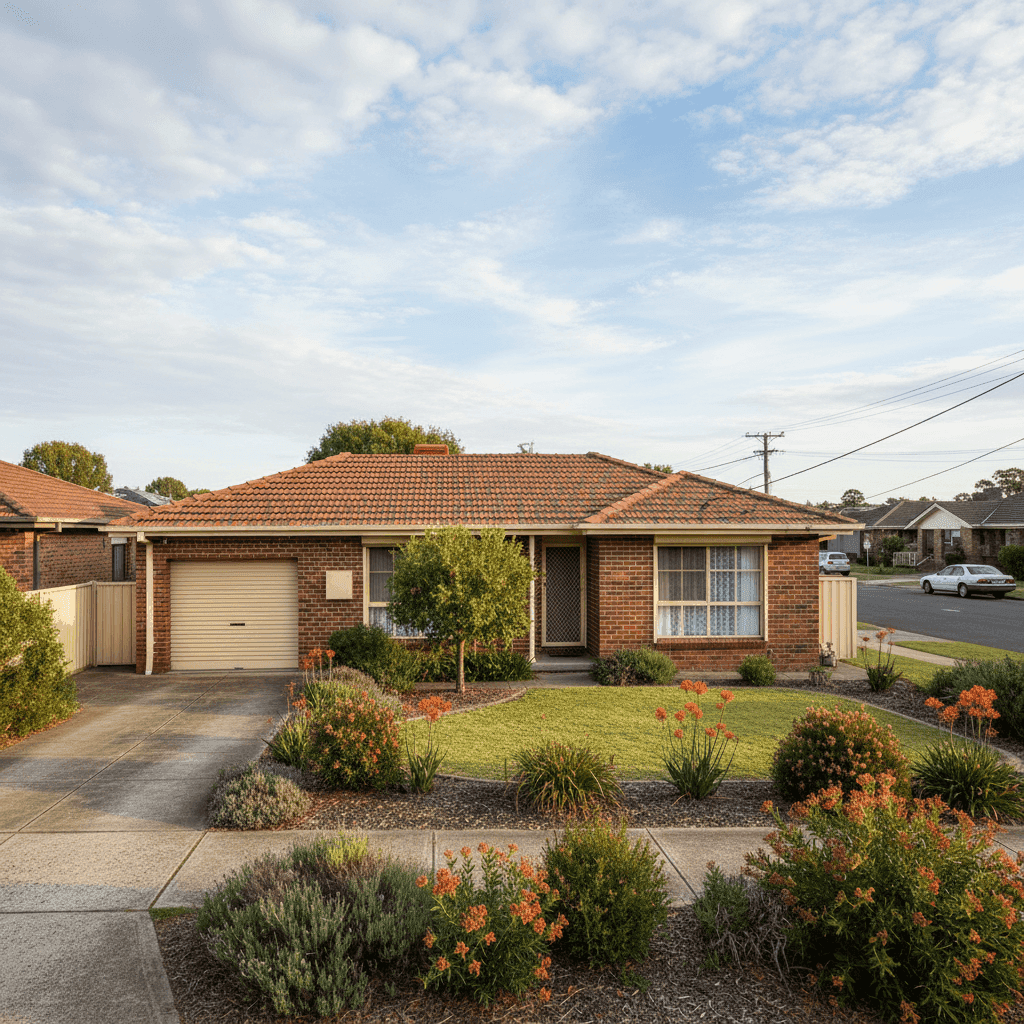
If you own a free standing home in Keilor Downs, VIC 3038, you're probably wondering whether you're paying a fair price for your home and contents insurance — or whether there's a better deal out there. This article breaks down a real insurance quote for a three-bedroom brick veneer home in the suburb, compares it against local, state, and national benchmarks, and offers practical tips to help you get the most from your cover.
---
Is This Quote Fair?
The quote in question comes in at $1,322 per year (or roughly $127 per month) for combined home and contents insurance, covering a building sum insured of $411,000 and contents valued at $50,000. Both the building and contents excess are set at $500.
Our price rating for this quote is CHEAP — below average — and that's genuinely good news for the homeowner. In a climate where insurance premiums have been climbing steadily across Australia, landing a quote well below the typical range is worth paying attention to.
To put it in context: the Victorian state average premium sits at $3,000 per year, with a median of $2,718. This quote comes in at less than half the state average — a significant saving of around $1,678 annually compared to what a typical Victorian homeowner might pay. Nationally, the picture is even starker, with the national average premium reaching $5,347 per year and a national median of $2,764. Against those figures, this quote represents exceptional value.
Even within the Brimbank LGA — the local government area that encompasses Keilor Downs — the average premium is $1,707 per year, still meaningfully higher than this quote. That suggests this particular property and policy combination is attracting one of the more competitive rates available in the area.
---
How Keilor Downs Compares
Understanding where your suburb sits in the broader insurance landscape is key to knowing whether your premium is reasonable. Here's how the numbers stack up:
| Benchmark | Annual Premium |
|---|---|
| This Quote | $1,322 |
| Brimbank LGA Average | $1,707 |
| VIC State Average | $3,000 |
| VIC State Median | $2,718 |
| National Average | $5,347 |
| National Median | $2,764 |
Keilor Downs sits in Melbourne's north-western suburbs — an established residential area that's generally considered lower risk compared to coastal or bushfire-prone regions of Victoria. This geographic advantage plays a meaningful role in keeping premiums more competitive. You can explore more detailed pricing data for the suburb at the Keilor Downs insurance stats page, or browse the full Victorian state overview for broader context.
It's worth noting that no suburb-level comparison data was available for this analysis, which can sometimes indicate a thinner pool of quotes in the area — another reason it pays to shop around and compare multiple insurers rather than accepting the first offer you receive.
---
Property Features That Affect Your Premium
Every property has its own risk profile, and insurers weigh up a range of characteristics when calculating your premium. Here's how the features of this particular home influence what you pay:
Brick Veneer Construction Brick veneer walls are one of the most common external wall types in Australian suburban homes, and insurers generally view them favourably. They offer solid fire resistance and durability compared to timber-framed or weatherboard homes, which can contribute to lower premiums.
Tiled Roof A tiled roof is considered a relatively low-risk roofing material. Tiles are durable, fire-resistant, and widely used across Victoria. Unlike Colorbond or older asbestos-based roofing, tiles don't typically attract loading on your premium.
Concrete Slab Foundation Slab foundations are standard across many post-war Melbourne suburbs and are generally considered structurally sound. They don't carry the same subsidence risks sometimes associated with older pier-and-beam foundations, which can be a factor in some areas.
Built in 1985 At around 40 years old, this home sits in a middle ground — old enough that some wear-and-tear is expected, but not so old that it predates modern building standards. Insurers may factor in the age of plumbing, wiring, and roofing when assessing risk, so keeping these systems well-maintained is important.
130 sqm Building Size At 130 square metres, this is a modest-sized home, which directly influences the cost to rebuild and therefore the building sum insured. A lower rebuild cost generally means a lower premium, all else being equal.
Ducted Climate Control The presence of ducted climate control is worth noting — these systems can be expensive to repair or replace, and their value should be factored into your contents or building sum insured depending on how the system is installed.
No Pool, No Solar Panels The absence of a swimming pool removes a common liability risk that can push premiums higher. Similarly, no solar panels means there's no additional coverage needed for rooftop equipment, keeping things straightforward.
---
Tips for Homeowners in Keilor Downs
Even with a competitive quote, there's always room to make sure your cover is working as hard as possible for you.
1. Review Your Sum Insured Regularly Building costs have risen sharply in recent years. Make sure your $411,000 building sum insured reflects current construction costs in Melbourne's north-west — not what it would have cost to rebuild five years ago. Underinsurance is one of the most common and costly mistakes homeowners make.
2. Don't Overlook Your Contents $50,000 in contents cover is a reasonable starting point, but it's easy to underestimate the true value of everything inside your home. Do a room-by-room audit annually, including electronics, appliances, furniture, clothing, and jewellery. Many Australians are surprised to find their contents are worth significantly more than they've insured.
3. Keep Up With Home Maintenance Insurers can reduce or deny claims if damage is found to result from a lack of maintenance rather than a sudden event. In a 1985-built home, it's worth scheduling regular checks on your roof tiles, gutters, plumbing, and electrical systems — particularly before Melbourne's storm season.
4. Compare Quotes at Renewal Time A below-average premium today doesn't guarantee the same result at renewal. Insurers regularly adjust their pricing models, and loyalty doesn't always translate to savings. Use a comparison tool like CoverClub to benchmark your renewal quote against the market before you automatically renew.
---
Ready to Compare Your Options?
Whether you're reviewing your current policy or insuring a Keilor Downs property for the first time, it pays to see what the broader market is offering. At CoverClub, you can quickly compare home and contents insurance quotes tailored to your property's specific features and location. Get a quote today and make sure you're not leaving money on the table at renewal time.