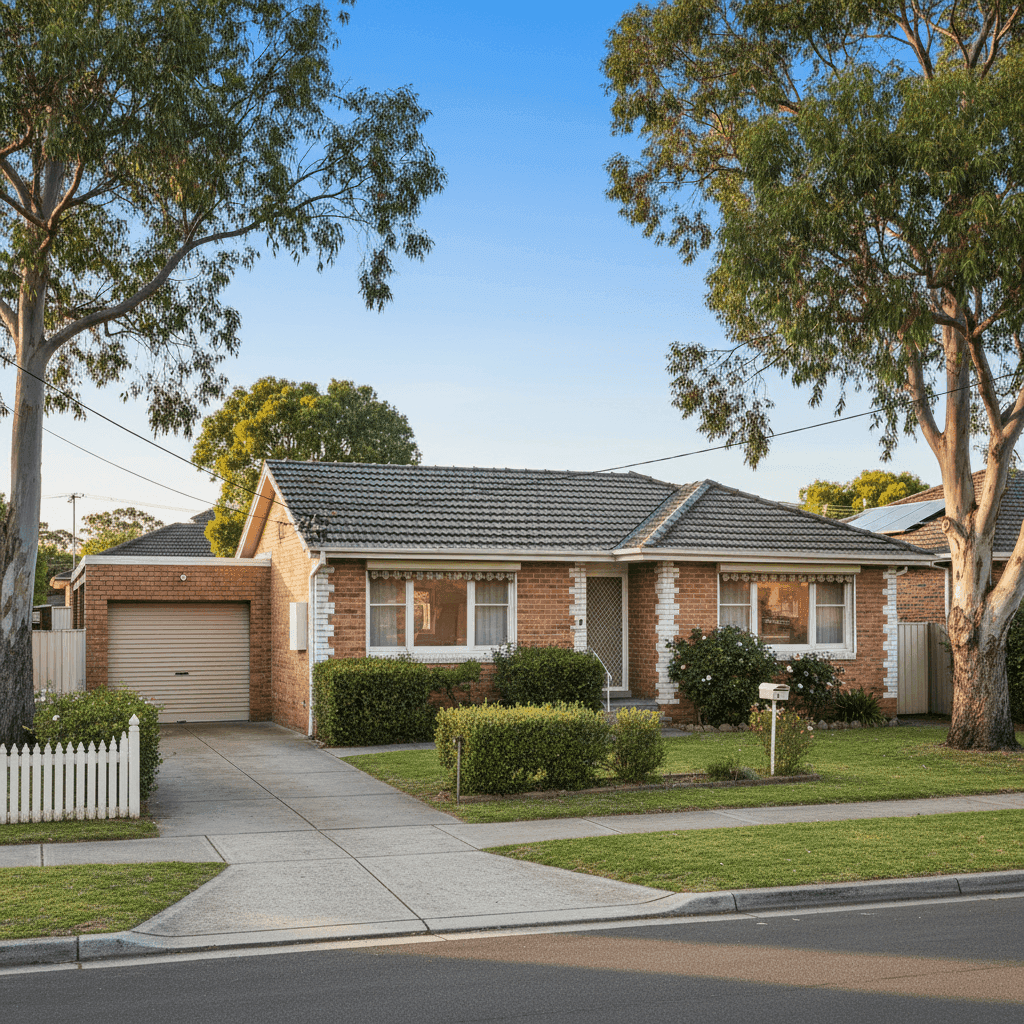
If you own a four-bedroom free standing home in Keilor Downs, VIC 3038, you're likely paying close attention to the cost of home and contents insurance — especially as premiums across Australia continue to climb. This article breaks down a real quote for a property in this suburb, compares it against local and national benchmarks, and offers practical advice for homeowners looking to get better value on their cover.
---
Is This Quote Fair?
The quote in question comes to $2,753 per year (or $264/month) for combined home and contents insurance, covering a building sum insured of $803,000 and contents valued at $79,000. Both the building and contents excess sit at $1,000.
Based on available pricing data, this quote is rated Expensive — above average for the Keilor Downs area. To put that in perspective, the suburb average premium sits at just $1,238 per year, and the median is $1,224. Even at the 75th percentile — meaning three-quarters of comparable quotes are cheaper — the figure is only $1,406. This quote lands well above that threshold.
That said, context matters. The building sum insured of $803,000 is a significant coverage amount, and the contents cover of $79,000 adds meaningfully to the overall premium. Higher sums insured naturally push premiums upward, so it's worth checking whether those figures accurately reflect your rebuild cost and the value of your belongings — over-insuring is a common (and costly) mistake.
---
How Keilor Downs Compares
To properly assess this quote, it helps to zoom out and look at the broader pricing landscape. Here's how Keilor Downs stacks up:
| Benchmark | Annual Premium |
|---|---|
| Keilor Downs average | $1,238 |
| Keilor Downs median | $1,224 |
| Keilor Downs 75th percentile | $1,406 |
| Victoria average | $3,000 |
| Victoria median | $2,718 |
| National average | $5,347 |
| National median | $2,764 |
| Brimbank LGA average | $1,707 |
(Based on 19 quotes sampled for the Keilor Downs suburb.)
Interestingly, while this quote is expensive relative to the Keilor Downs suburb average, it actually sits below the Victorian state average of $3,000 and is broadly in line with the national median of $2,764. This tells an important story: Keilor Downs is generally a lower-risk suburb for home insurance purposes, so local premiums tend to be more affordable than what you'd see elsewhere in Victoria or across the country.
You can explore the full pricing data for Keilor Downs on CoverClub, compare it against all Victorian suburbs, or see where it sits in the national picture.
---
Property Features That Affect Your Premium
Every property has a unique risk profile, and the features of this particular home play a meaningful role in how insurers price the policy.
Brick Veneer Walls & Tiled Roof
Brick veneer construction is generally viewed favourably by insurers — it's durable, fire-resistant, and widely used in Australian suburban homes built from the 1960s onwards. A tiled roof similarly signals longevity and resilience. These features typically keep premiums lower compared to, say, weatherboard or Colorbond construction.
Built in 1979
At over 45 years old, this home is well into middle age by Australian standards. Older properties can attract slightly higher premiums due to the increased likelihood of ageing plumbing, wiring, or structural elements requiring attention. Insurers may factor in the cost of bringing materials up to current building codes following a claim — a consideration worth reviewing in your policy's fine print.
Stump Foundation & Timber/Laminate Flooring
A stump (or pier) foundation is common in older Victorian homes and can be a flag for insurers, particularly if stumps are original timber. Subsidence, movement, and moisture are potential concerns. Timber and laminate flooring, while attractive and popular, can be more susceptible to water damage than tiles or concrete — another factor that may influence how your claim would be assessed in the event of a flood or burst pipe.
Ducted Climate Control
The presence of ducted climate control adds to the replacement value of the home, which is reflected in the higher building sum insured. It's a meaningful inclusion that many homeowners underestimate when calculating their rebuild costs.
No Pool, No Solar Panels
The absence of a pool removes a common liability risk factor, and no solar panels means one less system to insure or maintain. Both of these omissions can help keep premiums in check.
---
Tips for Homeowners in Keilor Downs
1. Review Your Sum Insured Carefully
At $803,000, the building sum insured is the single biggest driver of this premium. Make sure your figure reflects the actual cost to rebuild your home from scratch — not its market value. Use a building cost calculator or consult a quantity surveyor to avoid paying to insure more than you need to.
2. Shop Around — Seriously
With a suburb average of $1,238, there is clearly a wide range of pricing available in Keilor Downs. Even accounting for the higher sums insured in this quote, comparing multiple insurers could uncover meaningful savings. Different insurers weigh risk factors very differently, and loyalty doesn't always pay.
3. Consider Your Excess Strategy
Both excesses are set at $1,000. Opting for a higher excess — say $2,000 or $2,500 — can reduce your annual premium noticeably. This is worth considering if you're unlikely to make small claims and have the cash reserves to cover a larger out-of-pocket cost in the event of an incident.
4. Maintain the Property Proactively
For an older home on stumps, keeping up with maintenance — particularly around the subfloor, roof tiles, and guttering — not only protects your home but also strengthens your position when making a claim. Insurers can and do reduce or decline payouts where poor maintenance is deemed a contributing factor to damage.
---
Ready to Find a Better Deal?
Whether this quote is the right fit or you suspect you could do better, the smartest move is to compare. CoverClub makes it easy to see what insurers are offering for your specific property and location — no obligation, no hassle. Get a home insurance quote today and find out if you're paying more than you need to.