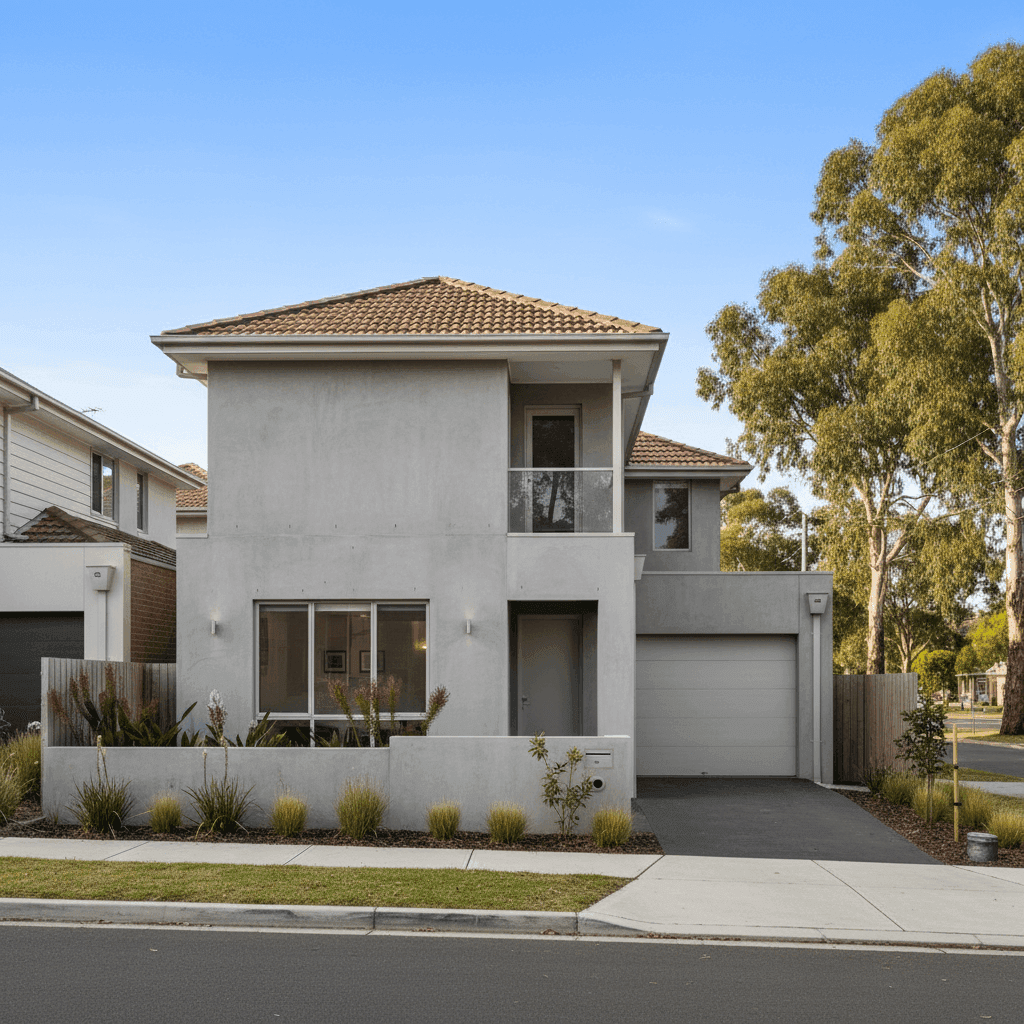
Keilor East is a well-established suburb in Melbourne's north-west, sitting within the City of Brimbank and offering a mix of older homes and more contemporary builds. For owners of townhouses in the area, understanding what you should be paying for home insurance — and why — can make a real difference to your household budget. This article breaks down a recent building insurance quote for a 3-bedroom townhouse in Keilor East (VIC 3033) and puts it in context against local, state, and national benchmarks.
---
Is This Quote Fair?
The quote in question comes in at $1,645 per year (or roughly $161/month) for building-only cover, with a sum insured of $692,000 and a building excess of $3,000. Our analysis rates this quote as FAIR — around average for the area.
That assessment holds up well under scrutiny. The premium sits comfortably between the suburb's 25th percentile ($1,159/yr) and 75th percentile ($2,721/yr), meaning it's neither a bargain-basement price nor an outlier on the expensive end. It's slightly above the suburb median of $1,546/yr but meaningfully below the suburb average of $1,807/yr — suggesting there are some higher-priced quotes pulling that average up.
In short, this is a reasonable price for the cover on offer. There's room to potentially do better, but there's also no glaring red flag that this homeowner is being overcharged.
---
How Keilor East Compares
One of the more striking takeaways from this data is just how favourably Keilor East stacks up against broader benchmarks. Here's a quick summary:
| Benchmark | Premium |
|---|---|
| This quote | $1,645/yr |
| Suburb average (Keilor East) | $1,807/yr |
| Suburb median (Keilor East) | $1,546/yr |
| LGA average (Brimbank) | $1,911/yr |
| VIC state average | $2,921/yr |
| VIC state median | $2,694/yr |
| National average | $2,965/yr |
| National median | $2,716/yr |
This quote is 44% below the Victorian state average and 45% below the national average — a substantial difference. Even the suburb's own average of $1,807/yr is well below what Victorians typically pay across the board.
Why the gap? Keilor East doesn't face the elevated bushfire risk that drives up premiums in regional and outer-fringe Victorian suburbs. It's also outside cyclone-prone zones and doesn't carry the flood exposure that affects many parts of Queensland and northern NSW. For a Melbourne metro suburb, that translates to a relatively benign risk profile — and lower premiums to match.
You can explore the full Keilor East insurance stats, compare them against all of Victoria, or see how the suburb sits within the national picture.
> Note: The suburb sample size here is 46 quotes, which provides a reasonable basis for comparison, though averages can shift as more data comes in.
---
Property Features That Affect Your Premium
Every insurer prices risk differently, but certain property characteristics consistently influence what you'll pay. Here's how the features of this particular townhouse come into play:
Concrete external walls are generally viewed favourably by insurers. Concrete is highly resistant to fire, termites, and storm damage — all factors that reduce the likelihood of a significant claim. Compared to weatherboard or lightweight cladding, concrete construction can contribute to a lower premium.
Tiled roof is another positive signal. Tiles are durable and perform well in hail and wind events. They're a standard choice for Melbourne homes and don't attract the surcharges sometimes associated with older corrugated iron or flat roofing.
Stump foundations are worth noting. While stumps are common in older Victorian homes, they can be a mild risk factor — particularly if they're timber stumps that may be subject to rot, termite damage, or movement over time. Concrete stumps (which are more common in homes built around 2000) carry less risk. Insurers may factor this in, though it's rarely a major premium driver in a well-maintained property.
Timber and laminate flooring doesn't directly affect building premiums in most cases, but it's worth keeping in mind for any future contents cover — timber floors can be costly to repair or replace after water damage.
Above-average fittings quality is reflected in the $692,000 sum insured, which is on the higher side for a 105 sqm townhouse. Quality fittings — think stone benchtops, premium cabinetry, and high-spec bathrooms — increase the rebuild cost, and the sum insured should account for that. It's important this figure is accurate; underinsurance is a common and costly mistake.
The absence of a pool, solar panels, and ducted climate control keeps things straightforward. Each of those features can add complexity (and cost) to a policy, so their absence here is a minor premium-saving factor.
---
Tips for Homeowners in Keilor East
1. Double-check your sum insured regularly With above-average fittings and a concrete construction, rebuilding this townhouse would not be cheap. Building costs have risen sharply in recent years — make sure your sum insured reflects current construction costs, not what you paid when you first took out the policy. A shortfall at claim time can be financially devastating.
2. Consider your excess carefully This quote carries a $3,000 building excess. A higher excess typically lowers your premium, but make sure you could comfortably cover that amount out of pocket in an emergency. If $3,000 feels like a stretch, it may be worth comparing quotes with a lower excess — even if the annual premium is slightly higher.
3. Shop around at renewal A "fair" rating means this quote is competitive, but it doesn't mean it's the best available. Insurers reprice risk differently, and the gap between the cheapest and most expensive quotes in Keilor East spans from $1,159/yr to $2,721/yr — a difference of over $1,500 annually. That's a compelling reason to compare at least two or three quotes before renewing.
4. Keep up with property maintenance Stump foundations and tiled roofs both benefit from periodic inspection. Loose or cracked tiles can lead to water ingress, and stump condition affects structural integrity. Staying on top of maintenance not only protects your home — it also helps avoid claim disputes related to gradual deterioration, which most policies exclude.
---
Compare Your Own Quote
Whether you're renewing your policy or shopping for the first time, it pays to know where your premium sits relative to the market. CoverClub makes it easy to compare home insurance quotes from leading Australian insurers — so you can see at a glance whether you're getting fair value or paying more than you should.