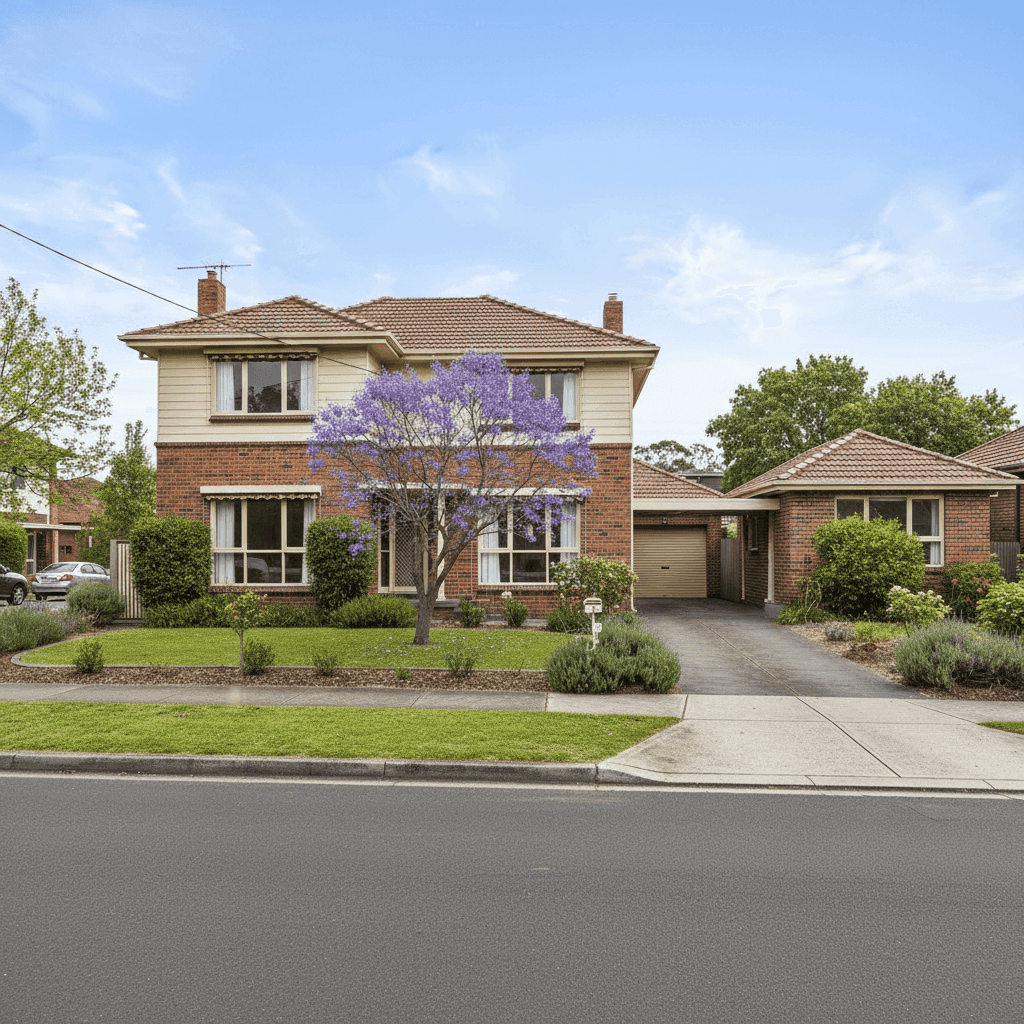
If you own a free standing home in Keilor, VIC 3036, you're probably curious about what a fair home and contents insurance premium looks like — and whether the quote sitting in your inbox is worth accepting. This article breaks down a recent quote for a three-bedroom, two-bathroom brick veneer home in the suburb, compares it against local, state and national benchmarks, and offers practical tips to help you get the best value cover.
---
Is This Quote Fair?
The annual premium for this property came in at $1,572 per year (or roughly $154 per month), covering both building (sum insured: $600,000) and contents ($70,000), each with a $1,000 excess. Our analysis rates this quote as CHEAP — below average for the area.
To put that in perspective: the suburb average for Keilor sits at $3,276 per year, with a median of $3,415. That means this quote is coming in at less than half of what most Keilor homeowners are paying. Even at the 25th percentile — meaning 75% of quotes are more expensive — the figure is $2,173 per year. This quote undercuts even that threshold by a significant margin.
In short: if you received this quote, it represents genuinely strong value for the level of cover provided.
---
How Keilor Compares
Understanding where Keilor sits relative to broader benchmarks helps you gauge whether local premiums are generally high or low — and whether this quote is an outlier or reflective of a competitive market.
| Benchmark | Average Premium |
|---|---|
| Keilor (suburb average) | $3,276/yr |
| Keilor (suburb median) | $3,415/yr |
| LGA — Hume | $1,775/yr |
| Victoria (state average) | $3,000/yr |
| Victoria (state median) | $2,718/yr |
| Australia (national average) | $5,347/yr |
| Australia (national median) | $2,764/yr |
A few things stand out here. First, Keilor's suburb average of $3,276 is notably higher than the Victorian state average of $3,000 — suggesting that insurers price this suburb at a slight premium compared to the rest of the state. Second, the LGA average for Hume ($1,775) is considerably lower than the Keilor suburb average, which indicates there's meaningful variation within the broader council area. Keilor itself appears to attract higher premiums than many of its Hume neighbours.
At the national level, the average premium of $5,347 is heavily skewed by high-risk regions — particularly cyclone-prone areas in Queensland and Western Australia. The national median of $2,764 is a more useful comparison point, and this quote still comes in well below it.
With a sample size of 29 quotes from the 3036 postcode, the suburb data is reasonably representative, though it's always worth gathering multiple quotes to ensure you're seeing the full picture of what's available.
---
Property Features That Affect Your Premium
Several characteristics of this property are likely contributing to the competitive premium:
Brick Veneer Construction Brick veneer is one of the most common wall materials in Melbourne's post-war suburbs, and insurers generally view it favourably. It offers solid fire resistance and structural durability compared to weatherboard or cladding alternatives, which can translate to lower rebuild risk assessments.
Tiled Roof Terracotta or concrete tile roofs are considered a lower-risk roofing material than, say, corrugated iron in storm-prone areas. They're durable and widely understood by builders, which keeps estimated rebuild costs more predictable.
Stump Foundation Built in 1959, this home sits on stumps — a common foundation type for Melbourne homes of that era. While stumps can require periodic maintenance (restumping is not uncommon in older Melbourne properties), they don't typically attract a significant insurance loading unless there's documented structural concern.
Timber and Laminate Flooring Flooring type can influence contents and building valuations. Timber and laminate floors are standard for the era and don't represent an unusual risk factor for insurers.
Granny Flat on Site The presence of a granny flat is worth noting. Depending on the policy, a separate dwelling on the same property may or may not be covered under the primary building sum insured. Homeowners should confirm with their insurer whether the granny flat structure is explicitly included in the $600,000 building cover — or whether it requires separate endorsement.
Ducted Climate Control Ducted heating and cooling systems are included in the building sum insured for most policies. Given the cost to replace a ducted system can run into the tens of thousands, it's important the building sum insured accounts for this. At $600,000, coverage appears well-positioned for a 139 sqm home in this area.
No Pool, No Solar The absence of a swimming pool and solar panels removes two common sources of additional premium loading. Pools introduce liability and maintenance risk; solar panels add to rebuild costs and can complicate roof claims. Neither applies here.
---
Tips for Homeowners in Keilor
1. Verify Your Granny Flat Is Covered As mentioned above, don't assume your granny flat is automatically included in your building sum insured. Contact your insurer directly and ask for written confirmation of what structures are covered on the property. Some policies treat secondary dwellings as separate insurable interests.
2. Review Your Building Sum Insured Annually Construction costs in Melbourne have risen sharply over recent years. A sum insured of $600,000 for a 139 sqm home is reasonable today, but it's worth reassessing each year at renewal. Underinsurance is one of the most common — and costly — mistakes homeowners make. Use a building cost calculator or ask your insurer how they calculate replacement value.
3. Check What Your Contents Policy Actually Covers At $70,000, contents cover is a common starting point, but it's easy to underestimate the value of everything inside your home. Do a room-by-room inventory periodically, and don't forget items like whitegoods, tools, electronics, and clothing. Portable valuables like jewellery and laptops may need to be listed separately for full cover.
4. Don't Auto-Renew Without Comparing Even if your current premium is below average — as this one is — the insurance market shifts every year. Insurers adjust their risk models, and a competitive price today may not be competitive at next year's renewal. Set a calendar reminder to compare quotes at least 30 days before your policy renews.
---
Compare Home Insurance Quotes in Keilor
Whether you're reviewing an existing policy or shopping for the first time, comparing quotes is the single most effective way to ensure you're not overpaying. CoverClub makes it easy to see what multiple insurers are offering for your specific property — in minutes, not hours. Get a home insurance quote now and see how your premium stacks up against the Keilor suburb average and beyond. You can also explore detailed Keilor insurance statistics to better understand the local pricing landscape.