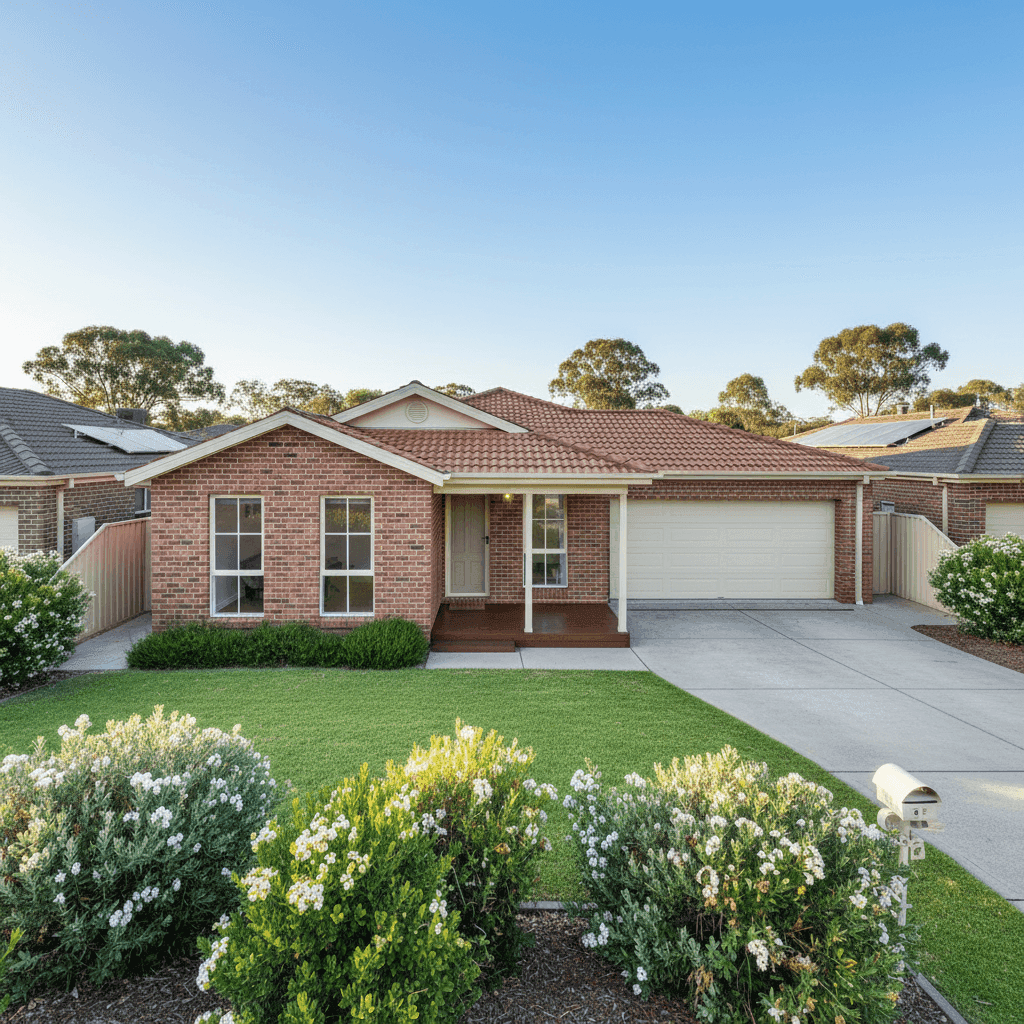
Kellyville is one of Sydney's most sought-after north-western suburbs — a family-friendly pocket of the Hills District known for its established streetscapes, quality schools, and strong community feel. If you own a free standing home here, protecting it with the right insurance is essential. This article breaks down a real home and contents insurance quote for a four-bedroom brick veneer property in Kellyville (NSW 2155), analyses whether it represents good value, and offers practical guidance for local homeowners.
---
Is This Quote Fair?
The quote in question comes in at $1,373 per year (or $132/month) for combined home and contents cover, with a building sum insured of $500,000 and contents valued at $60,000. Both the building and contents excess are set at $2,000.
Our price rating for this quote is FAIR — Around Average, and the data backs that up. The suburb median premium for Kellyville sits at $1,393/year, meaning this quote lands just $20 below the midpoint of what local homeowners are typically paying. It's comfortably within the normal range — not a bargain, but certainly not overpriced either.
To put it in perspective, the suburb's 25th percentile is $1,213/year and the 75th percentile reaches $2,064/year. This quote falls in the lower half of that range, which is a reasonable outcome for a well-built, standard-specification property with no high-risk features like a pool or solar panels.
---
How Kellyville Compares
One of the most striking takeaways from the pricing data is just how affordable Kellyville is relative to broader benchmarks. Here's a snapshot:
| Benchmark | Average Premium | Median Premium |
|---|---|---|
| Kellyville (NSW 2155) | $1,726/yr | $1,393/yr |
| Blacktown LGA | $2,242/yr | — |
| New South Wales | $9,528/yr | $3,770/yr |
| National | $5,347/yr | $2,764/yr |
The numbers tell an interesting story. While the NSW state average of $9,528/year looks alarming at first glance, it's heavily skewed by high-risk coastal and flood-prone areas across the state. The NSW median of $3,770/year is a more reliable indicator — and even against that figure, Kellyville homeowners are paying significantly less.
Compared to the national median of $2,764/year, Kellyville's median of $1,393/year is roughly half the price, highlighting just how relatively low-risk this suburb is from an insurer's perspective. Even within the Blacktown LGA, Kellyville sits well below the local government area average of $2,242/year.
You can explore the full breakdown of local premiums on the Kellyville suburb stats page, which is updated regularly with real quote data.
> Note: The sample size for Kellyville is 36 quotes, which provides a solid directional benchmark, though a larger dataset would give even greater confidence in these figures.
---
Property Features That Affect Your Premium
Every home is different, and insurers weigh up a range of property characteristics when calculating your premium. Here's how the key features of this particular property are likely influencing the quote:
Brick Veneer Walls Brick veneer is one of the most common external wall types in Australian suburbia — and for good reason. It's durable, fire-resistant, and relatively straightforward to repair or replace. Insurers generally view brick veneer favourably compared to weatherboard or fibre cement, which can contribute to more competitive premiums.
Tiled Roof Terracotta or concrete tiles are considered a solid, long-lasting roofing material. They perform well in fire conditions and have a long lifespan, both of which are positive signals for insurers. The main risk associated with tiles is hail damage, but Kellyville's inland location reduces exposure to severe storm events compared to coastal suburbs.
Stump Foundation Homes built on stumps (also known as piers) were common in the post-war era, and this 1975-built home is a good example. While stumps can introduce some underfloor vulnerability to moisture and pest damage, they're generally a manageable risk — and many insurers price them similarly to slab foundations, particularly in areas without significant flooding or subsidence concerns.
Construction Year: 1975 Older homes can attract slightly higher premiums due to ageing plumbing, wiring, and structural elements. That said, a 1975 build is far from ancient, and with standard-quality fittings, this property sits in a reasonable risk band.
Ducted Climate Control The presence of ducted air conditioning is worth noting. This system adds to the replacement cost of the home and can be expensive to repair or reinstate after an insured event — so it's important that the building sum insured adequately accounts for it.
No Pool, No Solar Panels The absence of a swimming pool removes a notable liability risk, and having no solar panels means there's no added complexity around rooftop electrical systems. Both of these factors work in the homeowner's favour when it comes to pricing.
---
Tips for Homeowners in Kellyville
1. Review Your Building Sum Insured Regularly Construction costs have risen sharply across Australia in recent years. A $500,000 building sum insured may have been appropriate when the policy was first taken out, but it's worth checking whether it still reflects the true cost of rebuilding your home today — including the ducted climate control system, tiled flooring, and other fixtures. Underinsurance is one of the most common and costly mistakes homeowners make.
2. Consider Increasing Your Excess to Lower Your Premium Both the building and contents excess on this quote are set at $2,000. If you have the financial capacity to absorb a higher out-of-pocket cost in the event of a claim, increasing your excess can meaningfully reduce your annual premium. Just make sure the excess remains affordable in a worst-case scenario.
3. Bundle Your Building and Contents Cover This quote already combines home and contents insurance, which is a smart move. Most insurers offer a discount for bundling, and it simplifies your paperwork and claims process significantly. If you're currently holding separate policies, it's worth getting a combined quote to see if you can save.
4. Compare at Renewal Time Insurance premiums can shift considerably from year to year, and loyalty doesn't always pay. The Kellyville market shows a wide spread between the 25th percentile ($1,213/year) and the 75th percentile ($2,064/year) — a gap of over $850 annually. Shopping around at renewal time could put you in the lower end of that range without sacrificing cover quality.
---
Ready to Compare Home Insurance in Kellyville?
Whether you're reviewing an existing policy or shopping for cover on a new property, it pays to see what the market has to offer. CoverClub makes it easy to compare home and contents insurance quotes tailored to your specific property and circumstances. Get a quote today and see how your premium stacks up against the Kellyville average.