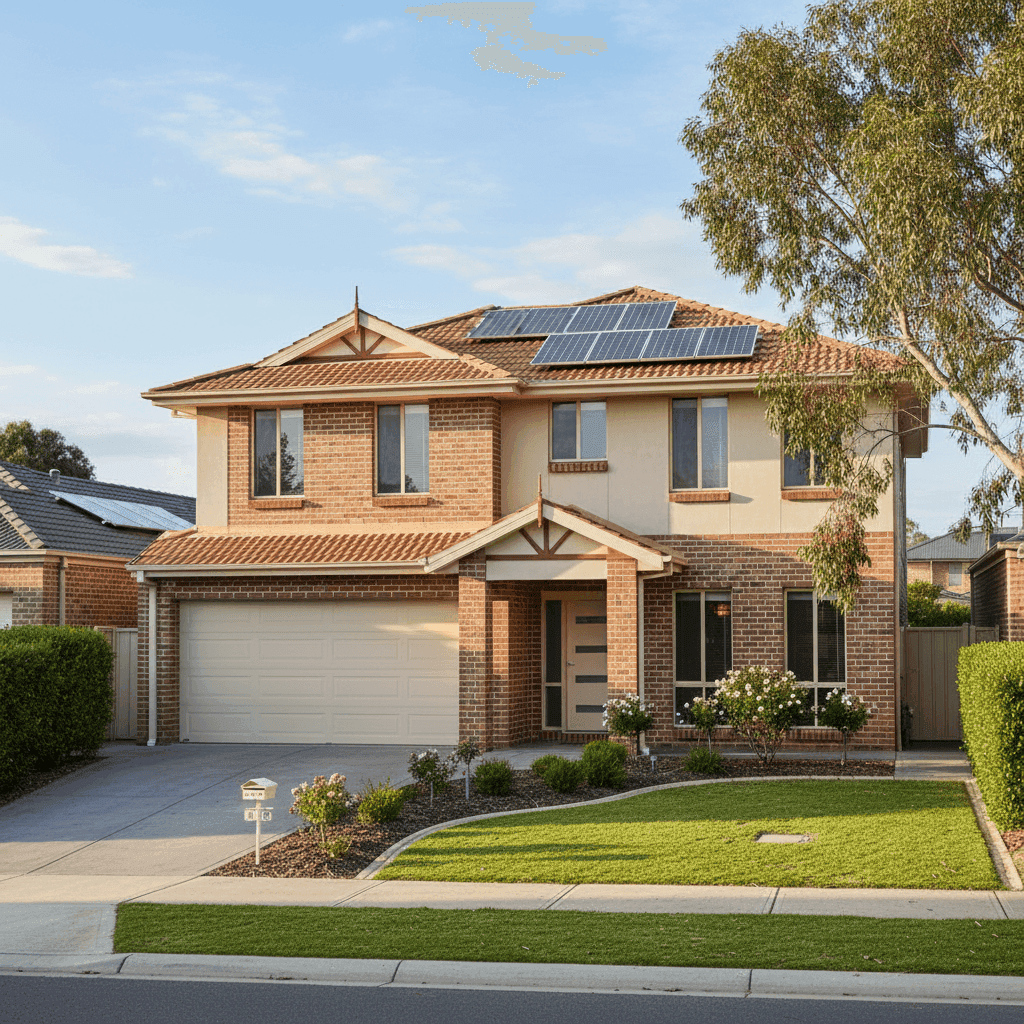
If you own a free standing home in Kelso, NSW 2795, you've probably wondered whether you're paying too much — or too little — for home insurance. This article breaks down a real home and contents insurance quote for a four-bedroom property in the area, compares it against local, state, and national benchmarks, and offers practical tips to help you get the best value on your cover.
---
Is This Quote Fair?
The short answer: yes — this is a genuinely competitive quote.
The quote in question comes in at $1,426 per year (or $141 per month) for combined home and contents cover, with a building sum insured of $1,156,000 and contents valued at $205,000. CoverClub's pricing model rates this as CHEAP — below the suburb average — which is a strong result for a property of this size and specification.
To put it in perspective, the suburb average premium for Kelso sits at $2,171 per year, with a median of $2,084. That means this quote comes in roughly 34% below the suburb average — a saving of around $745 annually compared to what many Kelso homeowners are paying. Even against the suburb's 25th percentile (the cheapest quarter of quotes at $1,800/yr), this premium still undercuts the field.
It's worth noting that the building excess is set at $5,000 and the contents excess at $2,000, which are on the higher side. Higher excesses are one of the most common levers insurers use to reduce premiums. This trade-off means lower ongoing costs, but a larger out-of-pocket expense if you ever need to make a claim. Whether that's the right balance depends on your financial situation and risk appetite.
---
How Kelso Compares
Kelso sits within the Cabonne LGA, a largely regional area in central-western NSW. Understanding where it sits in the broader insurance landscape is useful context for any homeowner.
| Benchmark | Annual Premium |
|---|---|
| This Quote | $1,426 |
| Kelso Suburb Average | $2,171 |
| Kelso Suburb Median | $2,084 |
| Cabonne LGA Average | $3,163 |
| NSW Average | $9,528 |
| NSW Median | $3,770 |
| National Average | $5,347 |
| National Median | $2,764 |
(Based on 28 quotes collected for the Kelso 2795 postcode. [View full suburb stats](https://coverclub.com.au/stats/NSW/2795/kelso).)
A few things stand out here. The NSW state average of $9,528 is extraordinarily high compared to Kelso — but this figure is heavily skewed by high-risk coastal and flood-prone areas, as well as premium properties in Sydney. The NSW state median of $3,770 is a more representative benchmark and still sits well above what Kelso homeowners typically pay.
Nationally, the average home insurance premium is $5,347, with a median of $2,764. Kelso's median of $2,084 sits comfortably below the national median, suggesting the suburb benefits from relatively moderate risk conditions — no cyclone exposure, lower flood risk compared to coastal areas, and a stable regional housing market.
The Cabonne LGA average of $3,163 is notably higher than the Kelso suburb average, which may reflect more rural properties within the LGA that carry different risk profiles (bushfire exposure, longer emergency response times, etc.).
---
Property Features That Affect Your Premium
Several characteristics of this particular property work in favour of a lower premium:
Brick veneer construction is generally well-regarded by insurers. It offers solid fire resistance and structural durability compared to timber or lightweight cladding, which can translate to lower rebuild risk assessments.
Tiled roof is another positive. Terracotta or concrete tiles are durable, weather-resistant, and less susceptible to storm damage than corrugated iron in many scenarios — though they can be more costly to repair if damaged.
Slab foundation is standard for homes of this era and construction type, and doesn't carry the same subsidence or moisture risks associated with older stumped or suspended floor systems.
Construction year of 2004 places this home in a relatively modern bracket. Homes built after 1990 generally comply with more rigorous building codes, which reduces the likelihood of structural failures and can positively influence premiums.
Solar panels are worth flagging. While they add value to the property and are typically covered under building insurance, they do introduce some additional risk considerations — particularly around electrical faults and storm damage. It's important to confirm with your insurer that your solar system is explicitly included in your building sum insured.
Ducted climate control is a significant fixture that should be reflected in your building sum insured. These systems can be expensive to repair or replace, and underinsurance is a real risk if they're not properly accounted for in your coverage.
At 214 sqm, this is a well-sized family home. The building sum insured of $1,156,000 equates to roughly $5,402 per sqm — a figure that's broadly consistent with current construction costs in regional NSW, though it's always worth getting a professional rebuild cost estimate to ensure you're not underinsured.
---
Tips for Homeowners in Kelso
1. Review your sum insured regularly Construction costs have risen significantly in recent years. If your building sum insured hasn't been updated to reflect current rebuild costs — including labour, materials, and site clearance — you could be underinsured. Use a building cost calculator or speak to a quantity surveyor to get an accurate figure.
2. Understand your excess trade-off The $5,000 building excess on this policy is high. Before locking in a policy with a large excess, make sure you have that amount readily accessible. If a major event like a storm or fire occurs, you'll need to cover that cost before your insurer contributes. Consider whether a slightly higher premium with a lower excess might suit your cash flow better.
3. Confirm solar panels and ducted systems are covered Always check your Product Disclosure Statement (PDS) to confirm that solar panels, inverters, and ducted air conditioning are included under your building cover. Some policies treat these as optional extras or may cap the payout for specific items.
4. Compare quotes annually Even if your current premium is below average, the insurance market shifts constantly. Insurers reprice based on claims data, reinsurance costs, and risk modelling. What's competitive today may not be next year. Use a comparison tool like CoverClub to benchmark your renewal quote before you accept it.
---
Ready to Compare Your Own Quote?
Whether you're a first-time buyer or a long-term Kelso resident, it pays to know where your premium sits relative to the market. CoverClub makes it easy to compare home and contents insurance quotes in one place, so you can see exactly how your cover stacks up — and find a better deal if one exists.