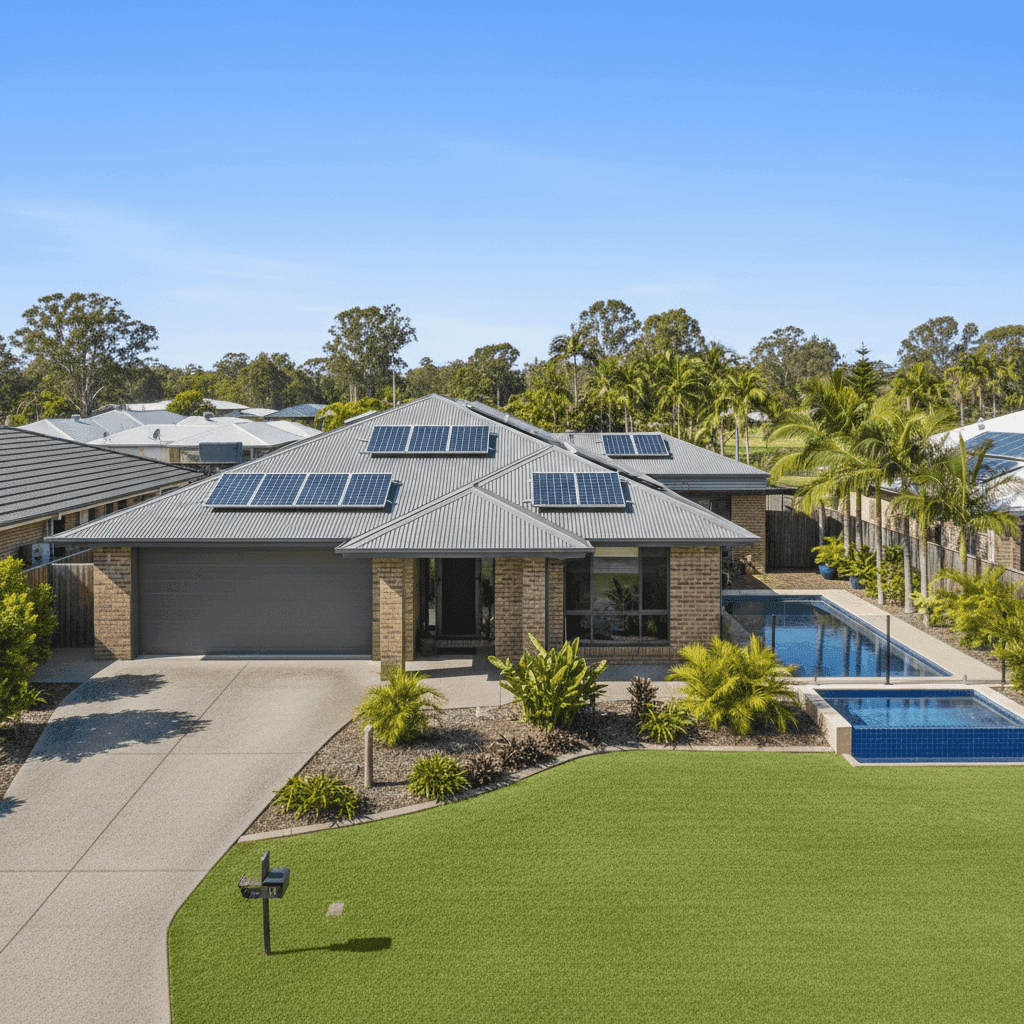
Kelso is a residential suburb in Townsville, Queensland — a region known for its warm climate, coastal proximity, and, unfortunately, its exposure to some of Australia's most severe weather events. For owners of free standing homes in this area, home and contents insurance is not just a formality; it's a critical financial safeguard. This article takes a close look at a recent insurance quote for a 4-bedroom, 2-bathroom free standing home in Kelso (postcode 4815), breaking down whether the premium is reasonable and what factors are driving the cost.
---
Is This Quote Fair?
The quote in question comes in at $53,097 per year (or approximately $5,088 per month) for combined home and contents cover, with a building sum insured of $842,000 and contents valued at $81,000. The building excess is set at $2,000, with a $1,000 excess on contents.
Our pricing analysis rates this quote as EXPENSIVE — Above Average.
To put that in perspective: the suburb average annual premium in Kelso sits at just $5,004, and the median is even lower at $4,004. Even at the 75th percentile — meaning 75% of quotes in the area are cheaper — the figure is only $6,007 per year. This quote sits dramatically above all of those benchmarks.
It's worth noting that the high sum insured ($842,000 for the building alone) is a significant driver of the absolute premium figure. A higher insured value means greater potential liability for the insurer, which flows directly into the cost. That said, even accounting for the above-average coverage level, this quote warrants careful scrutiny before accepting.
---
How Kelso Compares
Understanding where this quote sits relative to broader market data is essential for making an informed decision.
| Benchmark | Premium |
|---|---|
| This Quote | $53,097/yr |
| Kelso (4815) Suburb Average | $5,004/yr |
| Kelso (4815) Suburb Median | $4,004/yr |
| Kelso 25th Percentile | $2,649/yr |
| Kelso 75th Percentile | $6,007/yr |
| LGA (Townsville) Average | $7,340/yr |
| QLD State Average | $9,129/yr |
| QLD State Median | $3,903/yr |
| National Average | $5,347/yr |
| National Median | $2,764/yr |
You can explore the full breakdown of premiums for this suburb at the Kelso QLD 4815 insurance stats page, or broaden your view with Queensland-wide insurance data and national home insurance statistics.
One important observation: Queensland's state average of $9,129 is notably higher than the national average of $5,347 — a reflection of the elevated risk profile across much of the state, particularly in cyclone-prone regions like Townsville. Even so, this quote exceeds the QLD state average by a considerable margin, largely attributable to the high building sum insured.
The sample for Kelso is based on 47 quotes, which provides a reasonable basis for comparison, though it's always worth gathering multiple quotes to ensure you're seeing the full picture of what's available in the market.
---
Property Features That Affect Your Premium
Several characteristics of this property have a meaningful influence on what insurers charge. Here's how each one plays into the pricing:
Cyclone Risk Zone
This is arguably the most significant risk factor for properties in Kelso. Townsville sits within a designated cyclone risk area, and insurers price this risk heavily. Cyclone damage can be catastrophic, and the cost of claims in affected regions pushes premiums up substantially across the board — not just for this property, but for the entire suburb and LGA.
Brick Veneer Walls & Colorbond Roof
Brick veneer construction is generally viewed favourably by insurers due to its durability and fire resistance. A steel/Colorbond roof is also well-regarded in cyclone-prone areas, as it tends to perform better under high wind conditions than some tile alternatives — though it's not immune to damage. These features may provide a modest moderating effect on the premium compared to less resilient construction types.
Slab Foundation
A concrete slab foundation is standard for modern Queensland homes and is considered a low-risk foundation type by most insurers. It reduces concerns around subsidence and moisture ingress that can affect older or elevated foundations.
Swimming Pool
The presence of a swimming pool adds to the insurer's liability exposure — pools can be a source of property damage claims (e.g., structural issues, equipment failure) and may also factor into liability cover. This typically results in a higher premium.
Solar Panels
Solar panels are an increasingly common feature on Queensland homes, but they do add to the replacement cost of the property. If the building sum insured already accounts for the panels (as it should), this is already baked into the $842,000 figure — but it's worth confirming with your insurer that panels are explicitly covered under your policy.
Building Size & Age
At 214 sqm, this is a mid-to-large family home. Combined with a 2006 construction year, the property is relatively modern, which generally works in the homeowner's favour. Newer builds are typically constructed to more recent building codes, which in Queensland have progressively incorporated stronger cyclone-resilience standards.
Standard Fittings
The property is noted as having standard fittings, which means the insurer is unlikely to apply any premium loading for high-end fixtures or luxury finishes. This keeps the contents and building replacement cost estimate more straightforward.
---
Tips for Homeowners in Kelso
If you're a homeowner in Kelso — whether you've received this quote or a similar one — here are some practical steps to ensure you're getting the best value without compromising on protection.
- Shop around and compare multiple insurers. The spread between the 25th percentile ($2,649) and this quote is enormous. Even accounting for the higher sum insured, there is likely meaningful variation between what different insurers will charge for comparable cover. Use a comparison tool like CoverClub to see quotes side by side.
- Review your building sum insured carefully. At $842,000, this is a substantial coverage amount. Make sure it accurately reflects the cost to rebuild your home (not its market value), including demolition, debris removal, and current construction costs. Overinsuring inflates your premium unnecessarily, while underinsuring can leave you seriously exposed after a major event.
- Ask about cyclone-specific policy inclusions and exclusions. Not all policies treat cyclone damage the same way. Some may have separate cyclone excesses, waiting periods, or specific exclusions. Given the risk profile of the Townsville region, it's essential to read the Product Disclosure Statement (PDS) carefully and ask your insurer direct questions about cyclone cover.
- Consider your excess levels strategically. The $2,000 building excess and $1,000 contents excess on this quote are relatively modest. Opting for a higher voluntary excess can reduce your annual premium — but only do this if you're confident you could comfortably cover that amount out of pocket in the event of a claim.
---
Ready to Find a Better Deal?
Whether this quote is yours or you're simply doing your research, CoverClub makes it easy to compare home and contents insurance options across Australia. Our platform is built to help homeowners like you cut through the complexity and find cover that's genuinely competitive — not just convenient. Get a quote today at CoverClub and see how much you could save.