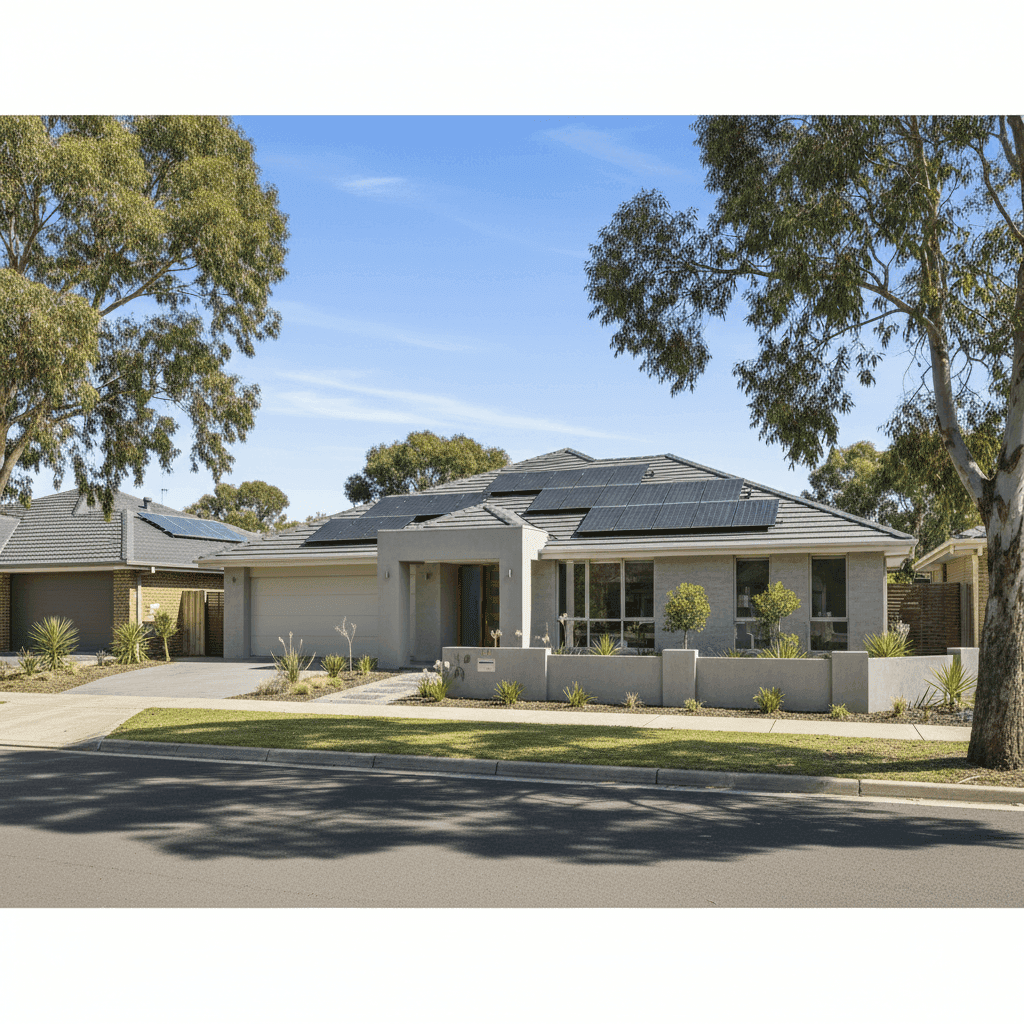
Kennington is a well-established residential suburb sitting just south of Bendigo's CBD in regional Victoria. Known for its mix of modern builds and family-friendly streets, it attracts homeowners who value space, comfort, and proximity to Bendigo's amenities. If you own a free standing home here and you're wondering whether your home and contents insurance premium is competitive, this analysis breaks down a real quote for a four-bedroom property in postcode 3550 — and puts it in full context.
---
Is This Quote Fair?
The quote in question comes in at $2,436 per year (or roughly $255 per month) for a combined home and contents policy. This covers a building sum insured of $1,292,000 and contents valued at $248,000, with a building excess of $3,000 and a contents excess of $1,000.
Our price rating for this quote is Expensive (Above Average).
To put that in perspective: the average premium across 40 quotes sampled in Kennington sits at $1,803 per year, with a median of $1,487. This quote lands well above both figures — and even above the suburb's 75th percentile of $2,111. That means it's priced higher than at least three-quarters of comparable quotes in the area.
That said, "expensive" doesn't automatically mean "wrong." A higher sum insured for the building ($1,292,000) and a substantial contents value ($248,000) will naturally push premiums upward compared to properties with more modest coverage levels. The building excess of $3,000 is also on the higher side, which typically helps reduce premiums — so without it, the figure could have been even steeper.
The key question to ask is whether the level of cover justifies the cost, and whether shopping around could deliver a similar level of protection at a lower price point.
---
How Kennington Compares
Understanding where Kennington sits in the broader insurance landscape is useful context for any homeowner reviewing their policy.
| Benchmark | Average Premium |
|---|---|
| Kennington (suburb) | $1,803/yr |
| Greater Bendigo (LGA) | $2,278/yr |
| Victoria (state) | $3,000/yr |
| National | $5,347/yr |
Kennington's average premium of $1,803 is meaningfully below both the Victorian state average of $3,000 and the national average of $5,347. This reflects the relatively lower risk profile of inland regional Victoria compared to coastal or cyclone-prone areas of Australia, where premiums can be dramatically higher.
You can explore the full breakdown of insurance data for this suburb at the Kennington insurance stats page, compare it against Victoria-wide figures, or see how it stacks up against the national picture.
Interestingly, the Greater Bendigo LGA average of $2,278 sits notably higher than Kennington's suburb average — suggesting that some pockets within the LGA carry higher risk or higher-value properties that lift the local government area figure.
---
Property Features That Affect Your Premium
Every property is unique, and insurers assess a range of physical characteristics when calculating premiums. Here's how the features of this particular home are likely influencing its cost:
Concrete external walls are generally viewed favourably by insurers. Concrete is highly resistant to fire, impact, and moisture ingress, which reduces the likelihood of structural claims. This is a positive factor for premium pricing.
Tiled roof is another tick in the right column. Tiles are durable, fire-resistant, and a standard choice across Australian homes. They tend to attract lower premiums than metal roofing in some contexts, though they can be more costly to repair if damaged by hail or falling debris.
Slab foundation is the most common foundation type in modern Australian construction and is generally considered low-risk by insurers — particularly in areas without significant soil movement or flood exposure.
Timber and laminate flooring can be a mild risk factor for contents claims, as these materials are more susceptible to water damage than tiles. Homeowners with timber floors should ensure their contents policy adequately covers accidental water damage scenarios.
Solar panels are an increasingly common feature and can add to the insured value of the property. Some insurers include panels as part of the building sum insured, while others treat them separately — it's worth confirming this with your insurer to avoid any gap in cover.
Ducted climate control is a significant fixed asset that forms part of the building's value. Systems like these can be costly to repair or replace, and they're a legitimate contributor to a higher building sum insured.
Built in 2010, this home is relatively modern — generally a positive signal for insurers, as newer builds are more likely to comply with contemporary building codes and are less likely to have ageing infrastructure issues.
At 244 sqm, this is a sizeable home, and the $1,292,000 building sum insured reflects the cost to rebuild a well-appointed four-bedroom, three-bathroom property at today's construction rates in regional Victoria.
---
Tips for Homeowners in Kennington
If you're reviewing your home insurance in Kennington, here are four practical steps worth considering:
- Check your building sum insured carefully. Underinsurance is one of the most common — and costly — mistakes Australian homeowners make. With construction costs rising sharply in recent years, many policies set years ago may no longer reflect the true cost to rebuild. Use a building calculator or speak with a quantity surveyor if you're unsure.
- Confirm how your solar panels are covered. Ask your insurer explicitly whether your solar system is included in your building sum insured or whether it requires separate cover. Panels can cost tens of thousands of dollars to replace, and a coverage gap here could be painful.
- Compare quotes annually. The insurance market shifts constantly, and loyalty doesn't always pay. Even if you're happy with your current insurer, running a comparison at renewal time takes minutes and could save you hundreds of dollars. Get a quote at CoverClub to see what's available in your area.
- Consider adjusting your excess strategically. This quote carries a $3,000 building excess, which is higher than average. While a higher excess reduces your premium, make sure you're comfortable covering that amount out of pocket in the event of a claim. If cash flow is a concern, a lower excess — even at a slightly higher premium — may offer better peace of mind.
---
Find a Better Deal with CoverClub
Whether this quote reflects your own situation or you're simply doing your research, CoverClub makes it easy to compare home and contents insurance options across Australia. Our data-driven platform gives you suburb-level benchmarks, transparent pricing comparisons, and a straightforward way to find cover that fits your home and your budget. Start comparing quotes today and make sure you're not paying more than you need to.