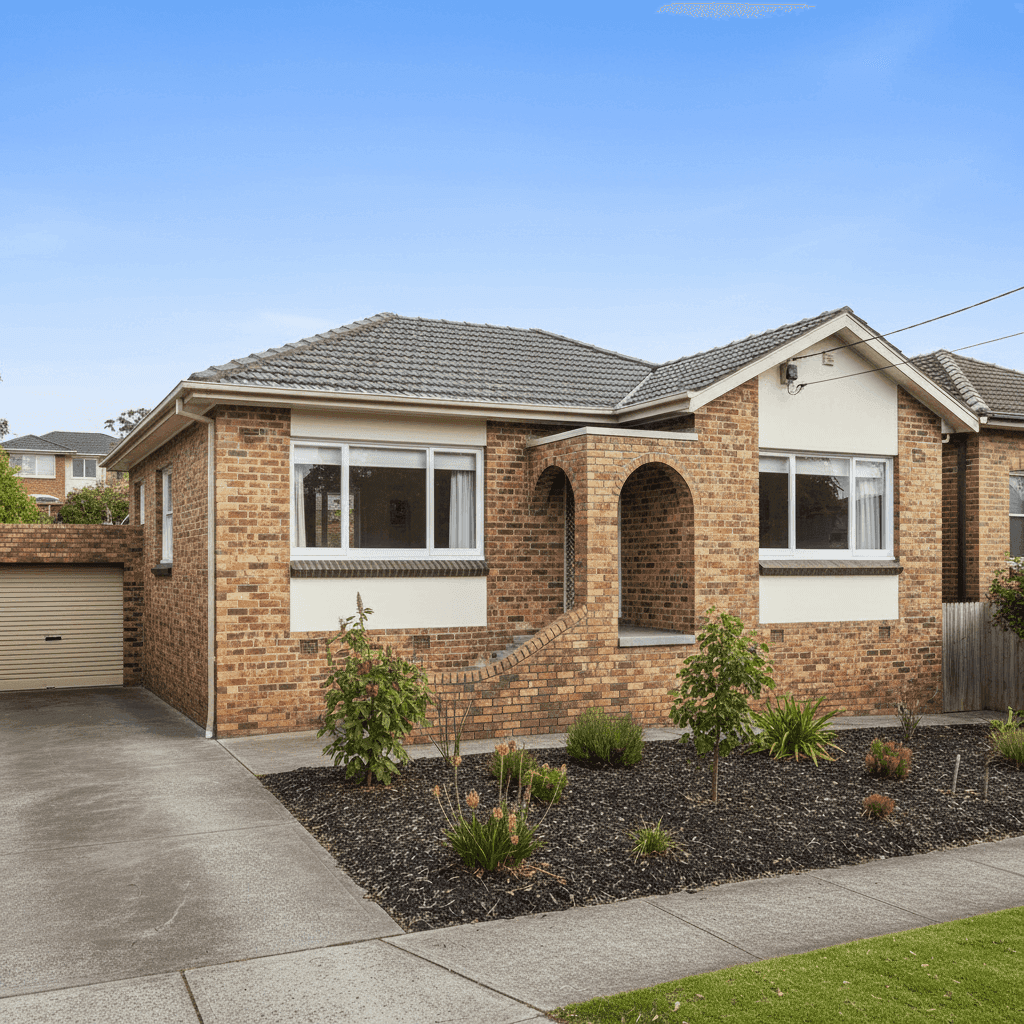
Kensington is one of Sydney's most sought-after inner-eastern suburbs — a leafy, established neighbourhood just a few kilometres from the CBD and the University of New South Wales. It's home to a mix of classic brick homes, period terraces, and modern apartments, making it a fascinating area from a home insurance perspective. This article breaks down a real home and contents insurance quote for a two-bedroom free standing home in Kensington (NSW 2033), examines whether the premium stacks up against local, state, and national benchmarks, and offers practical tips for homeowners in the area.
---
Is This Quote Fair?
The annual premium for this property came in at $2,573 per year (or $240 per month), covering both building (sum insured: $532,000) and contents ($50,000), each with a $1,000 excess. Our pricing model rates this as CHEAP — below average for the market.
That's a meaningful result. Home insurance premiums in Australia have surged in recent years, driven by a string of catastrophic weather events, rising rebuilding costs, and increased insurer caution in certain risk zones. Against that backdrop, landing a below-average premium for a well-built inner-Sydney property is genuinely good news for the homeowner.
It's worth noting that "cheap" doesn't mean inadequate. The building sum insured of $532,000 is a reasonable figure for a 116 sqm double brick home in Kensington, and the $50,000 contents value is a sensible baseline for a two-bedroom property. The $1,000 excess on both building and contents is standard across the Australian market.
---
How Kensington Compares
To put this quote in context, here's how $2,573 per year measures up against broader benchmarks:
| Benchmark | Premium |
|---|---|
| This Quote | $2,573 / yr |
| LGA (Sydney) Average | $1,975 / yr |
| NSW State Median | $3,770 / yr |
| NSW State Average | $9,528 / yr |
| National Median | $2,764 / yr |
| National Average | $5,347 / yr |
A few things stand out here. The NSW state average of $9,528 is dramatically higher than the median of $3,770 — a classic sign that a relatively small number of very high-risk properties (think flood plains, coastal erosion zones, and cyclone-prone regions) are pulling the average upward. The median is a more reliable guide for typical homeowners.
Against the NSW state median of $3,770, this quote is approximately 32% cheaper — a significant saving. Compared to the national median of $2,764, it's still sitting below average, which reinforces the "cheap" rating. The LGA (Sydney) average of $1,975 is lower, but that figure aggregates a very wide range of property types, sizes, and risk profiles across Greater Sydney — including smaller units and apartments that typically attract lower premiums than free standing homes.
You can explore more localised data for the postcode at the Kensington NSW 2033 insurance stats page.
---
Property Features That Affect Your Premium
Several characteristics of this particular property work in the homeowner's favour when it comes to pricing:
Double Brick Construction
Double brick is widely regarded by insurers as one of the most resilient wall materials available. It offers excellent fire resistance, structural integrity, and durability compared to weatherboard or clad alternatives. Homes with double brick exteriors tend to attract lower premiums because the likelihood of severe structural damage — and the cost to repair it — is reduced.
Tiled Roof
A tiled roof is another positive signal for insurers. Concrete or terracotta tiles are durable, fire-resistant, and long-lasting. They perform well in high-wind events (provided they're properly maintained and secured) and are less susceptible to ember attack than some other roofing materials. This is particularly relevant in New South Wales, where bushfire risk can influence premiums in peri-urban and regional areas, though Kensington itself is a low-risk urban environment.
Slab Foundation
A concrete slab foundation is generally considered stable and low-risk from an insurance perspective. It's less prone to subsidence than some pier-and-beam or older footing types, which can be a concern in areas with reactive clay soils.
Construction Era (1983)
A home built in 1983 sits in an interesting middle ground. It's old enough to have some character and solid construction, but modern enough to have been built under more rigorous building codes than pre-war homes. That said, a 40-year-old property may have ageing plumbing, electrical systems, or roofing components that insurers factor into their risk assessment. Keeping these systems well-maintained is important both for safety and for ensuring claims aren't disputed.
Ducted Climate Control
The presence of ducted climate control is noted as a feature of this property. This system adds to the overall replacement value of the home and is typically factored into the building sum insured. It's worth confirming that your sum insured adequately accounts for the cost of replacing ducted systems, as these can run to tens of thousands of dollars.
Above-Average Fittings
The property's above-average fittings quality is another factor that can influence both the sum insured and the premium. Higher-quality fixtures, finishes, and appliances cost more to replace, which is reflected in the building valuation.
---
Tips for Homeowners in Kensington
1. Review your sum insured regularly Building costs in Sydney have risen sharply over the past few years. The $532,000 sum insured may be appropriate today, but it's worth reassessing annually to ensure you wouldn't be underinsured in the event of a total loss. Use a building cost calculator or speak with a quantity surveyor if you're unsure.
2. Don't underestimate your contents $50,000 in contents cover is a reasonable starting point for a two-bedroom home, but it's easy to underestimate the cumulative value of furniture, appliances, clothing, electronics, and personal items. Do a room-by-room inventory periodically to make sure your contents sum is realistic.
3. Ask about discounts for security features Many insurers offer premium discounts for homes with deadbolts, monitored alarms, or security cameras. If you've recently upgraded your home's security, it's worth asking your insurer whether this qualifies you for a reduction.
4. Consider your excess strategically The $1,000 excess on both building and contents is standard, but increasing your excess is one of the most straightforward ways to reduce your annual premium. If you have the financial buffer to absorb a higher out-of-pocket cost in the event of a claim, a higher excess can deliver meaningful savings over time.
---
Compare Quotes and Save
Whether you're a first-time buyer in Kensington or a long-term homeowner reviewing your existing cover, it pays to compare. Premiums can vary significantly between insurers for the same property — sometimes by hundreds of dollars a year. Get a home insurance quote at CoverClub to see what's available for your property and make sure you're not paying more than you need to.