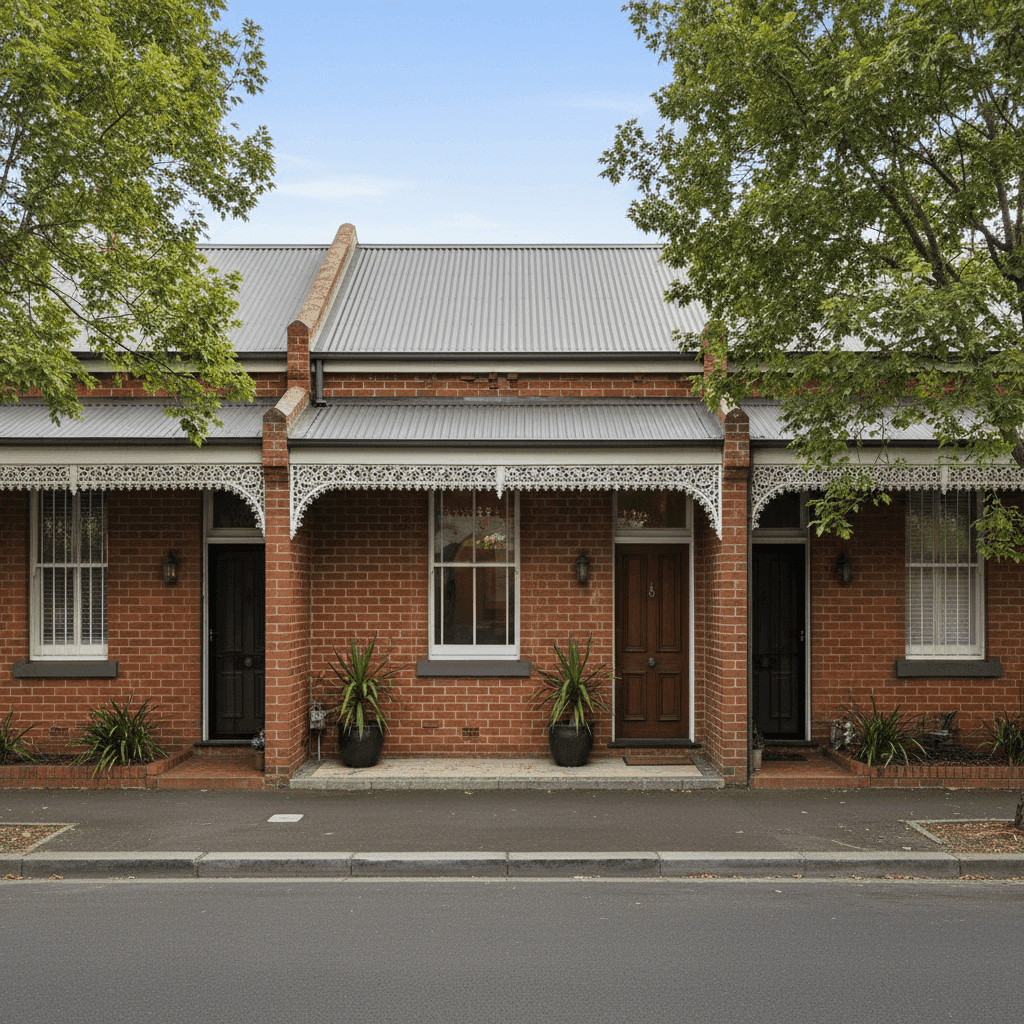
Kensington is one of Melbourne's most sought-after inner-city suburbs — a leafy, character-filled pocket of Victoria just 3 km from the CBD. Its mix of period terraces, converted warehouses, and newer builds makes it a fascinating area from a home insurance perspective. This article breaks down a real home and contents insurance quote for a 3-bedroom terrace in Kensington (postcode 3031), rated Expensive against comparable properties, and explains what's driving the cost.
---
Is This Quote Fair?
The quote in question sits at $2,840 per year (or $287 per month) for combined home and contents cover, with a building sum insured of $646,000 and contents valued at $50,000. The building excess is $3,000, and the contents excess is $1,000.
Our price rating for this quote is Expensive — above average for the Kensington area. Here's why that matters.
The suburb average for Kensington (3031) sits at just $1,406 per year, with a median of $1,441. This quote comes in at more than double that figure — a significant gap that warrants a closer look. Even at the 75th percentile of local quotes ($1,666/yr), this premium is still $1,174 more expensive annually.
That said, context is everything. The building sum insured of $646,000 is a substantial figure, and the property's 186 sqm floor area means there's genuinely more to insure than a compact unit or townhouse. A higher rebuild cost naturally pushes premiums up. Still, the gap between this quote and the suburb average is wide enough to suggest that shopping around could yield meaningful savings.
---
How Kensington Compares
Understanding where this quote sits relative to broader benchmarks helps put the price in perspective.
| Benchmark | Premium |
|---|---|
| This Quote | $2,840/yr |
| Kensington (3031) Average | $1,406/yr |
| Kensington (3031) Median | $1,441/yr |
| Moonee Valley LGA Average | $1,817/yr |
| VIC State Average | $3,000/yr |
| VIC State Median | $2,718/yr |
| National Average | $5,347/yr |
| National Median | $2,764/yr |
When you zoom out to the Victorian state level, this quote actually sits below the state average of $3,000/yr and just above the state median of $2,718/yr — which reframes it as broadly reasonable for Victoria as a whole. Nationally, it's well below the average of $5,347/yr, which is heavily influenced by high-risk regions like Queensland and northern Western Australia.
The Moonee Valley LGA average of $1,817/yr is also worth noting — it's higher than the Kensington suburb average, suggesting that the broader local government area includes some properties with elevated risk profiles. Kensington itself appears to be a relatively affordable pocket within the LGA.
The suburb sample size of 24 quotes is modest, so the local averages may shift as more data comes in. For the most up-to-date Kensington insurance statistics, check the CoverClub suburb stats page.
---
Property Features That Affect Your Premium
Several characteristics of this property have a direct bearing on what insurers charge. Here's how each feature plays into the pricing:
Brick Veneer Walls Brick veneer is one of the most common wall materials in Australian suburban homes and is generally viewed favourably by insurers. It offers solid fire resistance and durability, which can help moderate premiums compared to timber-framed or clad exteriors.
Steel/Colorbond Roof Colorbond steel roofing is lightweight, durable, and highly resistant to fire and corrosion — all positives from an underwriting perspective. It tends to attract lower premiums than tile roofs, which can crack, leak, or be damaged by hail more readily.
Concrete Slab Foundation A slab foundation is standard for many post-2000 builds and is generally considered low-risk by insurers. It reduces concerns around subsidence, pest ingress, and underfloor moisture that can affect older homes on stumps or piers.
Construction Year: 2002 At just over two decades old, this property sits in a relatively modern bracket. Homes built after the mid-1990s typically benefit from improved building codes around fire safety, structural integrity, and waterproofing — all of which can contribute to more competitive premiums.
Ducted Climate Control The presence of a ducted heating and cooling system adds to the replacement cost of the home, which is partly reflected in the higher building sum insured. Ducted systems are expensive to install and can be a meaningful line item in any rebuild scenario.
Building Size: 186 sqm At 186 square metres, this is a well-sized terrace. Larger floor areas mean higher rebuild costs, and the $646,000 sum insured reflects that. Ensuring the sum insured accurately reflects current construction costs in Melbourne is critical — underinsurance remains one of the most common and costly mistakes homeowners make.
No Pool, No Solar Panels The absence of a pool removes a common liability risk that can push premiums higher. Similarly, no solar panels means there's no additional replacement cost for rooftop infrastructure, keeping the insured value more straightforward.
---
Tips for Homeowners in Kensington
1. Review your sum insured annually Construction costs in Melbourne have risen sharply in recent years. It's worth using a building cost calculator each year to confirm your sum insured still reflects what it would actually cost to rebuild your home from scratch — not just its market value.
2. Compare quotes before renewal Given that this quote is more than double the Kensington suburb average, there's a strong case for shopping around. Different insurers assess risk very differently, and the spread of premiums in any suburb can be surprisingly wide. Get a comparison quote at CoverClub before you auto-renew.
3. Consider your excess settings This quote carries a $3,000 building excess — on the higher end of the spectrum. While a higher excess typically lowers your premium, it's important to ensure you could comfortably cover that amount out of pocket in the event of a claim. Review whether the excess trade-off is working in your favour.
4. Check what's included in contents cover With $50,000 in contents cover, it's worth doing a room-by-room audit of your belongings. Many homeowners find they're either over- or under-insured on contents. Items like electronics, jewellery, and bicycles may need to be listed separately as specified items to be fully covered.
---
Ready to Find a Better Deal?
Whether you're a first-time buyer or a long-term Kensington local, comparing home insurance quotes is one of the simplest ways to save money without sacrificing protection. CoverClub makes it easy to see what other homeowners in your suburb are paying and find cover that's genuinely suited to your property. Start your free quote comparison today — it only takes a few minutes.