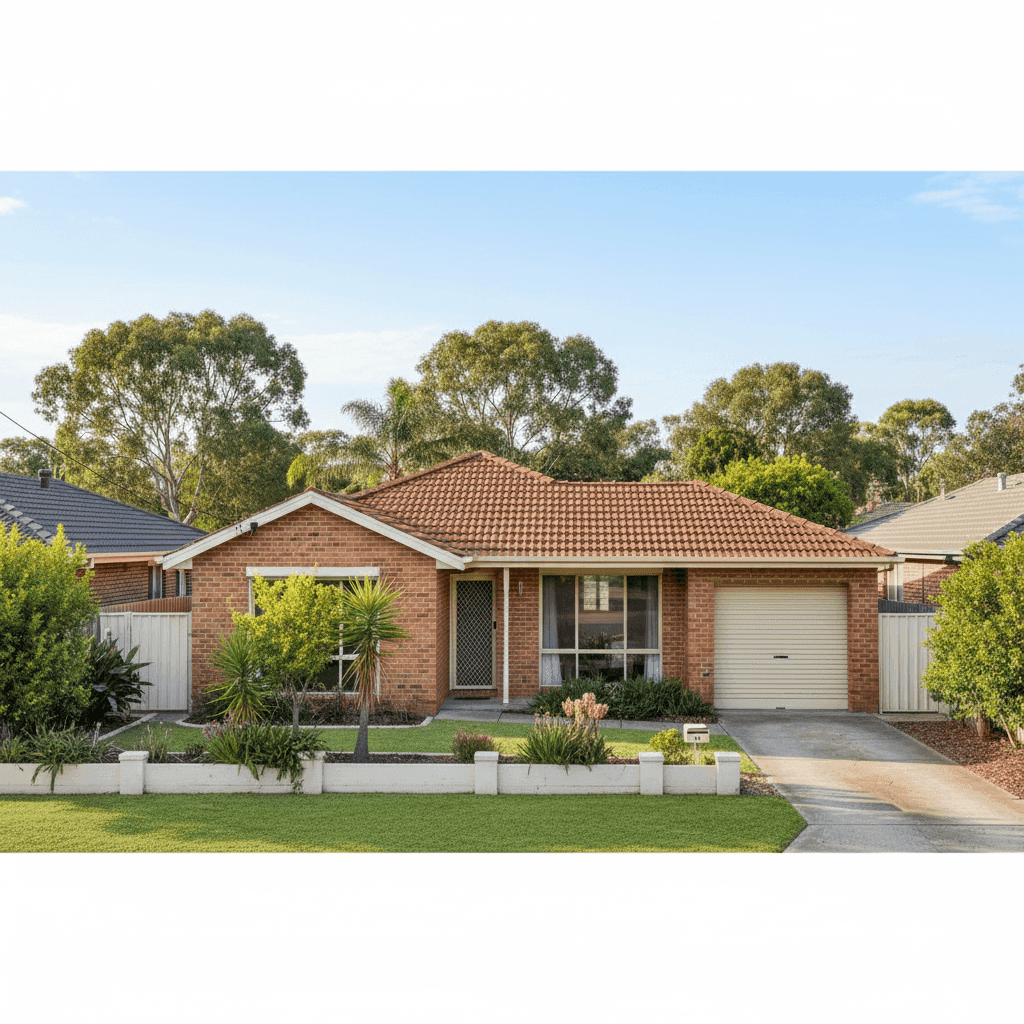
If you own a free standing home in Kenwick, WA 6107, you're probably wondering whether the premium you're paying is competitive — or whether you're leaving money on the table. This article breaks down a real building insurance quote for a four-bedroom, double brick home in Kenwick, benchmarking it against suburb, state, and national data so you can make a more informed decision at renewal time.
---
Is This Quote Fair?
The quote in question comes in at $2,355 per year (or $233/month) for building-only cover on a 214 sqm free standing home, with a $1,000 building excess and a sum insured of $580,000.
Our price rating for this quote is EXPENSIVE — above average for the Kenwick area.
To put that in context: the suburb average premium sits at $1,577/yr, and the median is even lower at $1,559/yr. This quote is roughly 49% above the suburb average, which is a meaningful gap. Even when you look at the 75th percentile of quotes in the area — meaning 75% of comparable Kenwick homes are paying less — that figure is $2,148/yr, still below what's being charged here.
That said, "expensive" doesn't automatically mean "wrong." The sum insured of $580,000 is on the higher end and will naturally push the premium up. The insurer's specific risk appetite, policy inclusions, and excess structure all play a role too. But it does suggest there's likely room to find a more competitive rate without sacrificing meaningful cover.
---
How Kenwick Compares
Understanding where Kenwick sits in the broader insurance landscape is useful context for any homeowner shopping around.
| Benchmark | Premium |
|---|---|
| This quote | $2,355/yr |
| Kenwick suburb average | $1,577/yr |
| Kenwick suburb median | $1,559/yr |
| Kenwick 25th percentile | $1,096/yr |
| Kenwick 75th percentile | $2,148/yr |
| LGA (Kalamunda) average | $1,793/yr |
| WA state average | $2,811/yr |
| WA state median | $2,127/yr |
| National average | $5,347/yr |
| National median | $2,764/yr |
(Based on 44 quotes sampled in the Kenwick area.)
A few things stand out here. First, Kenwick is actually a relatively affordable suburb to insure compared to the broader WA state average of $2,811/yr and the national average of $5,347/yr. The suburb's median of $1,559/yr is well below both benchmarks, which suggests the area doesn't carry the elevated risk factors — such as flood zones, cyclone exposure, or bushfire-prone land — that drive premiums higher in other parts of Australia.
Second, even within the Kalamunda LGA, Kenwick's average of $1,577/yr is notably lower than the LGA-wide average of $1,793/yr, indicating it's one of the more competitively priced pockets in the region.
You can explore the full breakdown of Kenwick insurance statistics, compare it to WA state averages, or see where it sits against national benchmarks.
---
Property Features That Affect Your Premium
Every property is different, and insurers weigh up a range of characteristics when calculating your premium. Here's how this particular home's features play into the equation:
Double Brick Construction Double brick is generally viewed favourably by insurers. It's durable, fire-resistant, and holds up well against wind and impact compared to lighter construction types like weatherboard or clad. Homeowners with double brick walls often attract more competitive premiums, all else being equal.
Tiled Roof Terracotta or concrete tiles are considered a solid roofing choice from an insurance perspective. They're long-lasting and perform well in most weather conditions. Compared to older materials like asbestos sheeting or corrugated iron, tiles typically attract lower premiums.
Slab Foundation A concrete slab foundation is standard for homes of this era and is generally considered low-risk by underwriters. It reduces the likelihood of subsidence or pest-related structural issues that can complicate claims.
Timber and Laminate Flooring While attractive and popular, timber and laminate floors can be more susceptible to water damage than tiles. This is a minor factor but worth keeping in mind — particularly when considering whether your policy covers accidental water damage or escape of liquid events.
Construction Year: 1999 At around 25 years old, this home is mature but not aged. It was built under relatively modern building codes, which is a positive signal for structural integrity. Homes from this era generally don't attract the loading that older properties (pre-1980s) might.
No Pool, No Solar, No Cyclone Risk The absence of a swimming pool removes a common liability concern. No solar panels means fewer complications around equipment coverage. And being outside a designated cyclone risk area is a significant premium advantage — cyclone-prone regions in WA's north can see dramatically higher premiums.
Sum Insured: $580,000 This is likely the biggest single driver of the elevated premium. A higher sum insured means greater potential payout for the insurer, and that cost is passed on through the premium. It's worth periodically reviewing your sum insured to ensure it reflects current rebuild costs — neither underinsured nor inflated beyond what's needed.
---
Tips for Homeowners in Kenwick
1. Shop around at renewal — every year Insurance loyalty rarely pays off. Insurers often offer their sharpest pricing to new customers, meaning long-standing policyholders can quietly drift into above-average territory. Given this quote is above the suburb median by nearly 50%, comparing alternatives before renewal is a sensible move.
2. Review your sum insured carefully Make sure your building sum insured reflects the actual cost to rebuild your home from scratch — not its market value. Using an independent building cost calculator or speaking to a quantity surveyor can help you land on an accurate figure. Overinsuring pushes your premium up unnecessarily; underinsuring can leave you exposed when it matters most.
3. Consider your excess level A $1,000 excess is fairly standard, but opting for a higher excess (say, $2,000 or $2,500) can meaningfully reduce your annual premium. If you have a healthy emergency fund and are unlikely to make small claims, a higher excess can be a smart trade-off.
4. Ask about discounts and bundling Some insurers offer discounts for paying annually rather than monthly, for having security systems installed, or for bundling building and contents cover under one policy. Even if you're opting for building-only cover now, it's worth asking what's available.
---
Ready to Find a Better Deal?
If this quote has you wondering whether you're overpaying, the good news is that comparing alternatives has never been easier. CoverClub lets you benchmark your premium against real data from your suburb, LGA, and state — so you can see exactly where you stand before committing to a policy.
Get a building insurance quote for your Kenwick home and find out whether you could be paying less for the same level of protection.