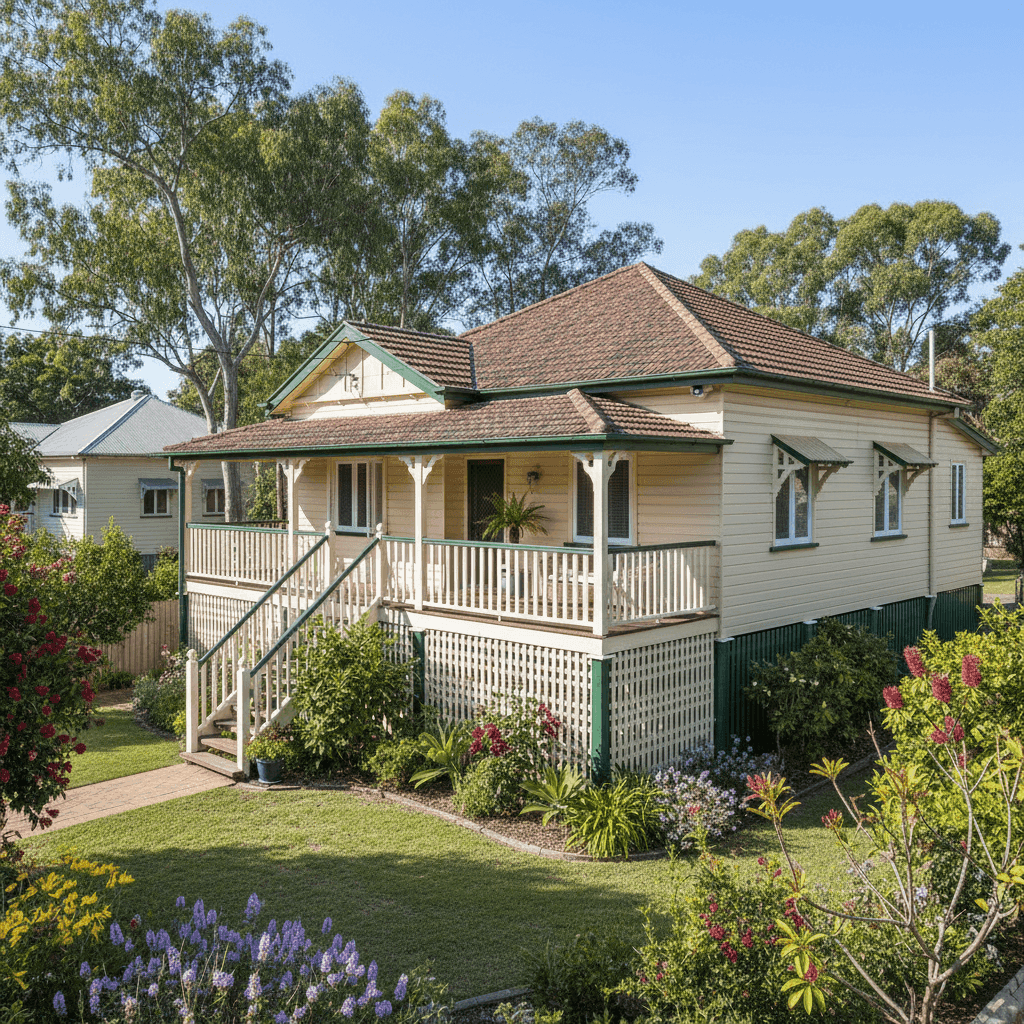
If you own a free standing home in Keperra, QLD 4054, you're probably curious about whether you're paying a fair price for home and contents insurance — or whether there's room to save. Keperra is a quiet, leafy suburb sitting about 11 kilometres north-west of Brisbane's CBD, popular with families drawn to its established streetscapes and relative affordability. Many homes in the area share a similar profile: older construction, timber character homes on elevated foundations — and that architectural heritage has a real bearing on what insurers charge.
In this article, we analyse a real home and contents insurance quote for a 3-bedroom, 2-bathroom free standing home in Keperra, breaking down how the premium stacks up against local, state, and national benchmarks.
---
Is This Quote Fair?
The annual premium for this property came in at $2,104 per year (or roughly $214 per month), covering a building sum insured of $448,000 and contents valued at $70,000. The building excess is $3,000 and the contents excess is $1,000.
Our pricing engine rates this quote as Fair — Around Average. That's a reasonable outcome for a property with this combination of features, and it means you're not being significantly overcharged, but there may still be opportunities to sharpen the price by adjusting your cover or shopping around.
To put it in context: the suburb median premium in Keperra is $2,703 per year, so this quote sits comfortably below the midpoint for comparable local properties. That's a meaningful saving of roughly $600 annually compared to what many Keperra homeowners are paying.
---
How Keperra Compares
Keperra's insurance market shows some striking variation, which is worth understanding before you accept any quote at face value.
| Benchmark | Premium |
|---|---|
| This quote | $2,104/yr |
| Keperra suburb median | $2,703/yr |
| Keperra suburb average | $56,810/yr |
| QLD state median | $3,903/yr |
| QLD state average | $9,129/yr |
| National median | $2,764/yr |
| National average | $5,347/yr |
| Brisbane LGA average | $16,277/yr |
The enormous gap between Keperra's median ($2,703) and its average ($56,810) tells an important story: a small number of very high-risk or high-value properties are dragging the average skyward. With only 14 quotes in the suburb sample, a single outlier can skew the figures significantly. The median is a far more reliable benchmark for typical homeowners in the area.
Compared to the Queensland state median of $3,903, this quote is around 46% cheaper — a notable result. Against the national median of $2,764, it's also slightly below average, suggesting Keperra isn't attracting the kind of extreme risk loading you see in more flood- or cyclone-prone parts of Queensland.
You can explore the full breakdown of local premiums on the Keperra suburb stats page.
---
Property Features That Affect Your Premium
Several characteristics of this property directly influence what insurers charge. Understanding them can help you have more informed conversations with insurers — and potentially negotiate better terms.
Weatherboard Timber Construction
Weatherboard wood external walls are one of the most significant premium drivers for older Queensland homes. Timber is more susceptible to fire, termite damage, and general wear compared to brick or rendered masonry. Insurers typically apply a loading to reflect the higher replacement cost and claims risk associated with timber-clad homes.
Tiled Roof
On the positive side, a tiled roof is generally viewed favourably by insurers. Tiles are durable, fire-resistant, and perform well in moderate weather events. They tend to attract lower premiums than corrugated iron or older materials like fibrous cement sheeting.
Elevated Pole Foundation (At Least 1 Metre)
This is a defining feature of classic Queenslander-style homes, and it cuts both ways. Elevation can reduce flood risk — a major concern in Brisbane — because floodwater is less likely to inundate the living areas. However, elevated homes can also be more vulnerable to wind uplift, and the subfloor space adds complexity to repairs. On balance, the flood mitigation benefit often outweighs the negatives in this suburb.
Timber and Laminate Flooring
Timber floors are beautiful but can be costly to repair or replace after water damage or impact events. This contributes modestly to the overall premium, particularly for the contents component.
1980 Construction
Homes built in 1980 are now over 40 years old. Older properties can present higher risk due to aging electrical wiring, plumbing, and structural elements. Some insurers apply age-related loadings, though a well-maintained home can offset this.
No Pool, Solar, or Cyclone Risk
The absence of a swimming pool, solar panels, and cyclone-zone classification all work in this property's favour. Each of those features can add meaningful cost to a premium, so their absence helps keep this quote competitive.
---
Tips for Homeowners in Keperra
Whether you're reviewing your existing policy or shopping for the first time, here are four practical steps that can make a real difference.
1. Check your building sum insured regularly At $448,000, the building sum insured needs to reflect the actual cost to rebuild — not the market value of the land. Construction costs have risen sharply in recent years, and being underinsured can leave you significantly out of pocket after a major claim. Use a building cost calculator or speak to a quantity surveyor to validate your figure.
2. Consider your excess trade-off This policy carries a $3,000 building excess, which is on the higher side. While a higher excess reduces your annual premium, it means you'll need to cover more out of pocket before your insurer steps in. Think about what you could comfortably absorb in an emergency before locking in a high excess for the sake of a lower premium.
3. Invest in home maintenance For a weatherboard home of this age, regular maintenance is both a practical and financial necessity. Repainting timber cladding, inspecting for termite activity, and keeping gutters clear can prevent minor issues from becoming major claims — and demonstrates to insurers that the property is well cared for.
4. Compare quotes at renewal Insurance loyalty doesn't always pay. Insurers frequently offer better rates to new customers than they do to existing ones. Set a reminder to compare quotes at least 30 days before your renewal date — even if you're happy with your current provider, you may find a more competitive offer elsewhere.
---
Ready to Find a Better Deal?
Whether this quote is your current policy or one you're considering, it's always worth seeing what else is available. CoverClub makes it easy to compare home and contents insurance options tailored to your property and suburb. Get a quote today and see if you can do better than the Keperra average.