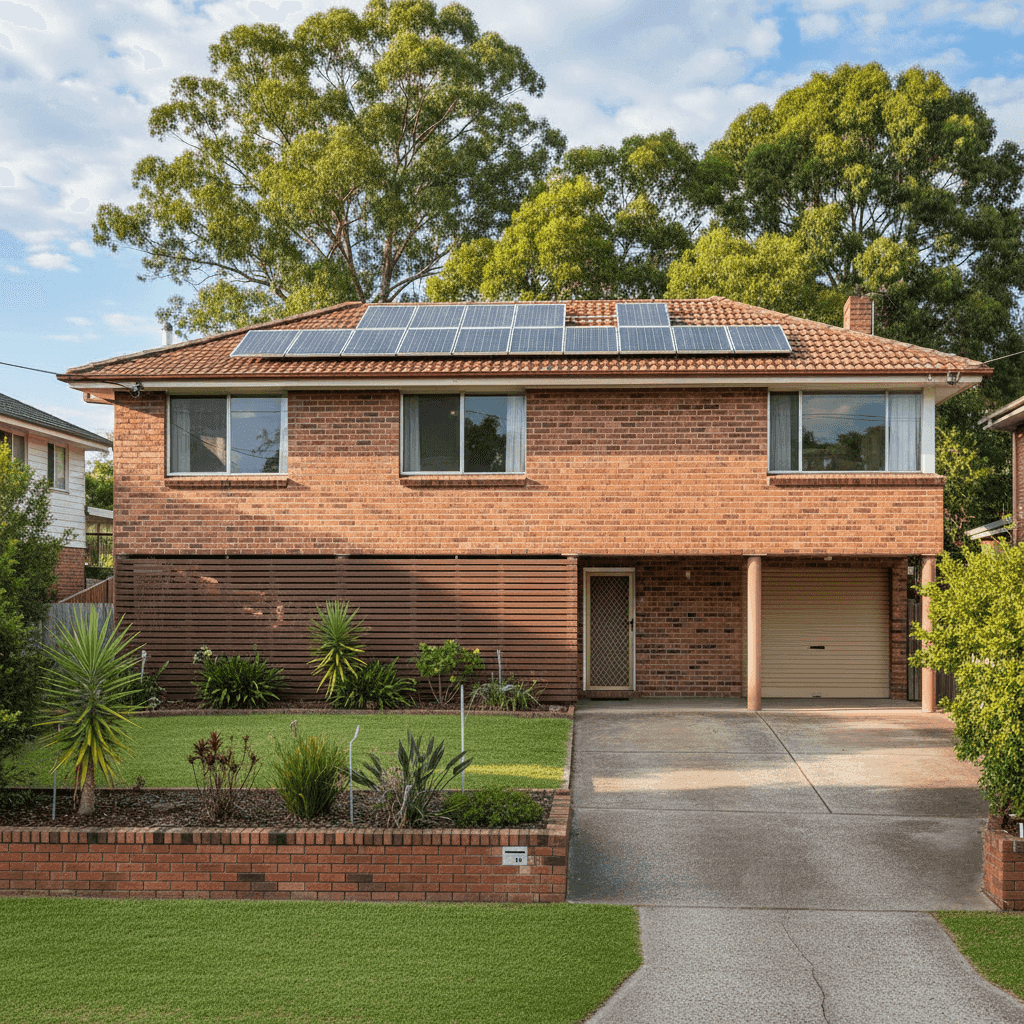
If you own a free standing home in Keperra, QLD 4054, you've probably noticed that home insurance can be a significant household expense — and the numbers don't always make sense at first glance. This article breaks down a real home and contents insurance quote for a 3-bedroom, 2-bathroom brick veneer home in Keperra, comparing it against suburb, state, and national benchmarks to help you understand what's driving the cost and whether there's room to save.
---
Is This Quote Fair?
The quote in question comes in at $35,667 per year (or $3,567/month) for combined home and contents cover, with a building sum insured of $850,000 and contents valued at $151,000. The building excess is $2,000 and the contents excess is $1,000.
Our price rating for this quote is EXPENSIVE — above average by a considerable margin.
To put that into perspective:
- The suburb average for Keperra is just $1,877/year, and the median sits at $2,098/year
- Even at the 75th percentile of Keperra quotes (meaning 75% of quotes are cheaper), the figure is only $2,309/year
- This quote is more than 15 times the suburb median
So what's going on? The answer lies largely in the sum insured. A building replacement value of $850,000 is substantially higher than what many comparable properties in the suburb are insured for. Contents cover of $151,000 also adds meaningfully to the premium. Higher sums insured translate directly into higher premiums — insurers price for the maximum they'd need to pay out, so getting your sums insured right is critical.
That said, it's still worth shopping around. Even for a property with these coverage levels, the market is competitive and premiums can vary significantly between insurers.
---
How Keperra Compares
Understanding where Keperra sits in the broader insurance landscape helps frame what's typical for the area. You can explore the full data on the Keperra suburb stats page.
| Benchmark | Premium |
|---|---|
| Keperra suburb average | $1,877/yr |
| Keperra suburb median | $2,098/yr |
| Brisbane LGA average | $4,485/yr |
| QLD state average | $4,547/yr |
| QLD state median | $3,931/yr |
| National average | $2,965/yr |
| National median | $2,716/yr |
A few things stand out here. Keperra's suburb average of $1,877 is notably below both the Queensland state average and the national average — suggesting that, under typical coverage levels, Keperra is actually a relatively affordable suburb to insure. This is likely influenced by its location outside cyclone-risk zones, its predominantly established housing stock, and relatively moderate flood and storm exposure compared to other parts of Queensland.
Queensland as a whole tends to run above the national average — the QLD state insurance data shows a state average of $4,547/year, which is well above the national average of $2,965/year. This reflects the elevated natural hazard risk across much of the state, including storms, flooding, and cyclones in northern regions.
For Keperra homeowners, this is encouraging news: if your coverage levels are proportionate to your property's actual rebuild cost and contents value, you should be able to find competitive premiums.
---
Property Features That Affect Your Premium
Several characteristics of this particular property influence how insurers assess and price the risk.
Brick Veneer Walls & Tile Roof
Brick veneer construction with a tiled roof is generally viewed favourably by insurers. These materials are considered durable, fire-resistant, and relatively low-maintenance compared to timber weatherboard or corrugated iron. Homes with these features often attract more competitive base rates.
Construction Year: 1975
At roughly 50 years old, this home sits in a common vintage for Brisbane's suburban stock. Older homes can attract slightly higher premiums due to the potential for outdated wiring, plumbing, or structural elements — but a well-maintained 1975 build is unlikely to be heavily penalised, particularly with brick veneer construction.
Elevated Foundation (At Least 1 Metre)
The property is elevated by at least one metre, which is a notable risk-mitigating feature. Elevation reduces exposure to ground-level flooding and water ingress, and many insurers will factor this positively into their pricing. It's worth confirming with your insurer that this elevation is properly noted on your policy.
Solar Panels
This home has solar panels installed. While solar is a great investment for energy savings, it does add to the insurable value of the home and some insurers treat it as an additional risk factor (particularly for roof-mounted systems). Make sure your building sum insured accounts for the replacement cost of the solar system.
Slab Foundation & Tile Flooring
A concrete slab foundation is standard for many Queensland homes and is generally neutral from an insurance perspective. Tile flooring throughout is durable and less susceptible to water damage than carpet or timber, which may be a minor positive factor.
No Pool, No Ducted Climate Control, Not in a Cyclone Zone
The absence of a pool removes a common liability and maintenance risk. Not being in a cyclone risk area is a meaningful cost saving for Queensland homeowners — cyclone-prone postcodes in north Queensland can see premiums two to three times higher than comparable southern properties.
---
Tips for Homeowners in Keperra
1. Review Your Sum Insured Carefully
The most impactful lever on your premium is your sum insured. Make sure your building replacement value reflects the actual cost to rebuild — not the market value of the land and property combined. Many homeowners over-insure, which drives up premiums unnecessarily. Use a building cost calculator or speak to a quantity surveyor to get an accurate figure.
2. Compare Multiple Quotes Annually
Insurance markets shift, and loyalty doesn't always pay. Insurers frequently offer better rates to new customers than to existing policyholders. Set a reminder to compare quotes at renewal each year — even a 15-minute comparison exercise can save hundreds of dollars.
3. Highlight Your Home's Risk-Reducing Features
When getting quotes, make sure you're accurately representing your home's elevation, construction materials, and any security upgrades (alarms, deadbolts, etc.). These details can meaningfully reduce your assessed risk and, in turn, your premium.
4. Consider Your Excess Settings
Opting for a higher voluntary excess can reduce your annual premium. The current excesses on this quote ($2,000 building / $1,000 contents) are moderate. If you have the financial buffer to absorb a higher out-of-pocket cost in the event of a claim, increasing your excess could bring your premium down noticeably.
---
Ready to Find a Better Deal?
Whether you're renewing your existing policy or insuring a new purchase, comparing quotes is the single best way to make sure you're not overpaying. At CoverClub, we make it easy to see what the market looks like for your specific property and coverage needs.
Get a home insurance quote for your Keperra property →
You can also explore localised premium data for your area on the Keperra suburb stats page or browse Queensland-wide insurance trends to understand how your suburb stacks up.