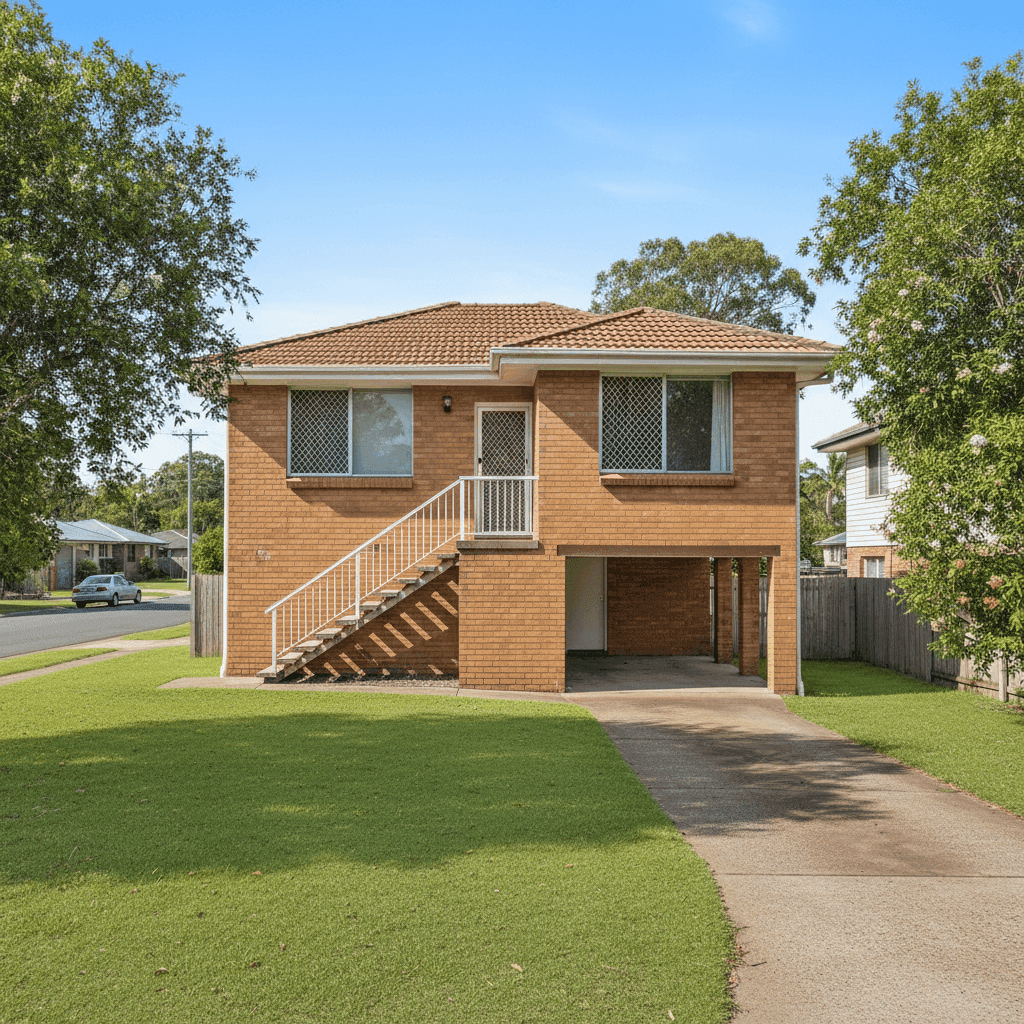
Kepnock is a quiet residential suburb on the southern fringe of Bundaberg, in Queensland's Wide Bay region. It's the kind of neighbourhood where brick veneer homes from the 1960s and 70s still line the streets — solid, unpretentious, and built to last. If you own a free standing home here, you've probably wondered whether you're paying too much (or too little) for your home and contents insurance. This article breaks down a real quote for a 3-bedroom property in Kepnock, compares it against local, state, and national benchmarks, and offers practical guidance for homeowners in the area.
---
Is This Quote Fair?
The annual premium for this property came in at $1,317 per year (or $133/month), covering both building and contents. The building is insured for $502,000 and contents for $50,000 — a combined sum insured of $552,000. The building excess is $3,000 and the contents excess $1,000.
Our price rating for this quote is CHEAP — Below Average, which is genuinely good news for the homeowner. To put that in perspective:
- The suburb average premium in Kepnock (postcode 4670) is $4,217/year
- The suburb median sits at $2,744/year
- Even the 25th percentile — meaning the cheapest quarter of quotes in the area — is $2,198/year
This quote at $1,317 comes in well below the 25th percentile, meaning it's cheaper than at least 75% of quotes we've seen for this suburb. That's a meaningful result, not just a marginal saving.
It's worth noting that Queensland home insurance premiums are notoriously high due to the state's exposure to cyclones, flooding, and severe storms. This particular property, however, sits outside a designated cyclone risk area, which significantly reduces one of the biggest premium drivers in the state.
---
How Kepnock Compares
To understand just how competitive this quote is, it helps to zoom out and look at the broader picture. You can explore the full data on the Kepnock suburb insurance stats page, the Queensland state overview, and national insurance benchmarks.
| Benchmark | Average Premium | Median Premium |
|---|---|---|
| Kepnock (4670) | $4,217/yr | $2,744/yr |
| Queensland | $9,129/yr | $3,903/yr |
| National | $5,347/yr | $2,764/yr |
A few things stand out here. Queensland's average premium of $9,129 is extraordinarily high — nearly double the national average of $5,347. This is largely driven by properties in cyclone-prone coastal and far-north Queensland regions, where insurers price in significant catastrophe risk. The median tells a more moderate story at $3,903, but it's still well above the national median of $2,764.
Kepnock's own suburb average of $4,217 is below the Queensland state average, which makes sense given its location in central Queensland rather than the cyclone-prone north. The suburb sample size of 28 quotes gives us a reasonable baseline, though it's worth keeping in mind that individual property characteristics can cause significant variation within any postcode.
At $1,317, this quote sits dramatically below every one of these benchmarks — a result driven by a combination of favourable property features and, likely, competitive insurer pricing at the time of the quote.
---
Property Features That Affect Your Premium
Insurance underwriters don't just look at your postcode — they assess the specific risk profile of your home. Here's how the features of this Kepnock property likely influenced the premium:
Brick veneer construction is generally viewed favourably by insurers. While not as robust as full double brick, brick veneer offers good fire resistance and structural durability compared to weatherboard or cladding, which can translate to lower premiums.
Tiled roof is another positive. Tiles are durable, fire-resistant, and less susceptible to storm damage than corrugated iron or older fibrous cement roofing. Insurers tend to price tiled roofs more competitively.
Slab foundation provides a stable, low-maintenance base that reduces the risk of subsidence or structural movement — factors that can otherwise increase premiums, particularly in Queensland's variable soil conditions.
Elevated by at least 1 metre is a particularly important feature in Queensland. Elevated homes are less susceptible to inundation during heavy rainfall events and localised flooding. Given the Bundaberg region's history with flood events, this elevation could be making a meaningful difference to the premium.
Timber and laminate flooring is a standard feature in many homes of this era and doesn't significantly move the needle on premium in either direction, though it does factor into contents and fixtures replacement costs.
No pool, no solar panels, and no ducted climate control all simplify the risk profile. Each of these additions can increase both the sum insured and the complexity of a claim, so their absence keeps things straightforward for underwriters.
Construction year of 1970 does introduce some age-related considerations. Older homes may have ageing electrical wiring, plumbing, or roofing materials that increase the likelihood of certain claims. Some insurers apply age loadings to properties over a certain threshold, so it's worth checking the policy wording carefully.
---
Tips for Homeowners in Kepnock
1. Don't assume your current insurer is still competitive. The insurance market shifts constantly, and a premium that was reasonable three years ago may now be well above what's available elsewhere. Given that the suburb average is over $4,200 and competitive quotes exist well below that, shopping around at renewal time is essential. Even a 20–30 minute comparison exercise could save you hundreds of dollars annually.
2. Review your sum insured carefully. A building sum insured of $502,000 for a 130 sqm home built in 1970 may or may not accurately reflect today's rebuild costs. Construction costs in regional Queensland have risen sharply in recent years. Being underinsured can leave you significantly out of pocket after a major claim, while being over-insured means you're paying more premium than necessary. Use a building cost calculator or speak to a quantity surveyor if you're unsure.
3. Understand what your excess means in practice. This policy carries a $3,000 building excess and a $1,000 contents excess. Higher excesses are one reason this premium is so low — the homeowner is effectively self-insuring for smaller claims. Make sure you have that amount readily accessible in an emergency, and consider whether a lower excess (with a higher premium) might suit your financial situation better.
4. Check your flood and storm coverage. Bundaberg has experienced significant flood events historically, and even properties that aren't in a designated flood zone can be affected by stormwater inundation. Read your policy's definitions carefully — flood cover, storm cover, and stormwater cover are often defined differently, and the distinctions matter enormously at claim time.
---
Compare Your Own Quote
Whether you're a Kepnock local or just researching what home insurance should cost in regional Queensland, CoverClub makes it easy to see where your premium sits relative to real market data. Get a quote today at CoverClub and find out if you're paying a fair price — or if there's a better deal waiting for you.