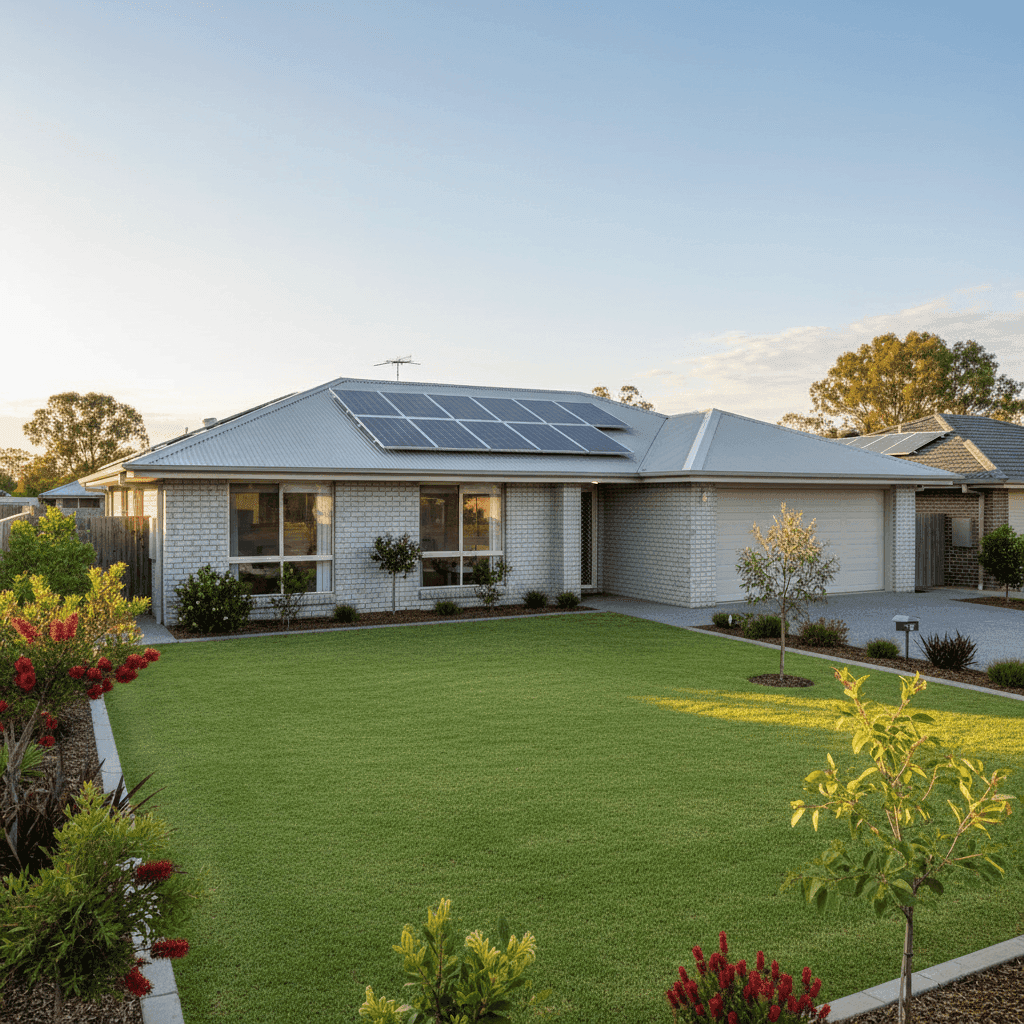
Kepnock is a well-established residential suburb in Bundaberg, Queensland, and like much of regional QLD, homeowners here face some unique insurance considerations. This article breaks down a real home and contents insurance quote for a four-bedroom, brick veneer free standing home in Kepnock (postcode 4670), compares it against local, state, and national benchmarks, and offers practical advice for getting the best possible deal on your cover.
---
Is This Quote Fair?
The quote in question comes in at $3,301 per year (or $309/month) for combined home and contents insurance, covering a building sum insured of $700,000 and $50,000 worth of contents. The building excess is $1,000 and the contents excess is $500.
Based on our analysis, this quote is rated Expensive — above average for the Kepnock area.
To put that in context: the suburb average premium sits at $3,337/year, meaning this quote is actually tracking just below the local average. However, the more telling figure is the suburb median of $2,453/year — the midpoint of what Kepnock homeowners are actually paying. At $3,301, this quote is roughly $848 above the median, which is a meaningful gap.
The 75th percentile for Kepnock premiums is $3,017/year, meaning this quote sits above 75% of comparable quotes in the suburb. That's a clear signal that there may be room to shop around and find more competitive pricing for this property.
That said, the sum insured of $700,000 for a 235 sqm home built in 1975 is on the higher end, and this will naturally push the premium up. The inclusion of solar panels also adds a small but real layer of replacement cost and risk that insurers factor in.
---
How Kepnock Compares
Understanding where Kepnock sits relative to broader benchmarks helps frame whether a premium is genuinely high or simply reflective of the local market.
| Benchmark | Average Premium | Median Premium |
|---|---|---|
| Kepnock (4670) | $3,337/yr | $2,453/yr |
| Queensland | $4,547/yr | $3,931/yr |
| National | $2,965/yr | $2,716/yr |
A few things stand out here. First, Queensland premiums are dramatically higher than the national average — the state average of $4,547/year is 53% above the national average of $2,965/year. This reflects the elevated risk profile of insuring homes across Queensland, where extreme weather events, flooding, and storm damage are significant cost drivers for insurers.
Kepnock, interestingly, sits well below the Queensland average — both at the suburb average ($3,337) and median ($2,453) levels. This suggests that while Kepnock isn't cheap to insure, it's considerably more affordable than many other parts of the state. The suburb's classification as a non-cyclone risk area is a key reason for this — cyclone cover is one of the largest premium drivers in northern and coastal Queensland.
Compared to the national median of $2,716/year, Kepnock's median of $2,453 is actually slightly below the national figure, which is a positive sign for homeowners in the area. You can explore the full Kepnock suburb insurance statistics, Queensland state averages, and national benchmarks on CoverClub.
Note: Suburb data is based on a sample of 37 quotes, which provides a reasonable but not exhaustive picture of the local market.
---
Property Features That Affect Your Premium
Several characteristics of this particular home have a direct influence on what insurers charge. Here's how each one plays a role:
Brick Veneer Construction Brick veneer is generally viewed favourably by insurers. It offers good fire resistance and structural durability, which can help moderate premiums compared to timber-framed or clad homes.
Steel / Colorbond Roof Colorbond roofing is a popular choice in Queensland for good reason — it's lightweight, durable, and performs well in high-wind conditions. Insurers tend to view it positively, and it can be a factor in keeping storm-related claim costs lower than older tile roofs.
Slab Foundation A concrete slab foundation is considered a low-risk construction type. It's resistant to termite damage and doesn't carry the underfloor moisture risks associated with raised timber stumps, both of which can affect premiums.
Timber / Laminate Flooring Timber and laminate floors are more susceptible to water damage than tiles, which can influence the cost of contents and building claims. This is worth keeping in mind if you're in an area prone to heavy rainfall or plumbing issues.
Solar Panels The presence of solar panels adds to the replacement value of the home and introduces a specific risk (panel damage from hail or storms) that insurers must account for. Always confirm your policy explicitly covers solar panels — not all standard policies do so automatically.
Construction Year: 1975 A home built in 1975 is now over 50 years old. Older homes can attract slightly higher premiums due to the age of plumbing, electrical systems, and roofing materials, even when well-maintained. Some insurers may also apply stricter underwriting criteria.
Standard Fittings Standard-quality fittings keep the sum insured more manageable. High-end or custom fittings can significantly inflate replacement costs and, by extension, premiums.
---
Tips for Homeowners in Kepnock
If you're looking to get better value on your home and contents insurance, here are four practical steps worth taking:
1. Compare multiple quotes before renewing Loyalty doesn't always pay in insurance. The difference between the cheapest and most expensive quotes in Kepnock can be substantial — the gap between the 25th percentile ($1,758/yr) and the 75th percentile ($3,017/yr) is over $1,200 per year. Running a fresh comparison at renewal time is one of the easiest ways to save.
2. Review your sum insured carefully A $700,000 building sum insured for a 235 sqm home in Kepnock is relatively high. While it's important to be adequately covered, over-insuring inflates your premium without adding real benefit. Use a building cost calculator or speak to a quantity surveyor to confirm your rebuild cost is accurate.
3. Check your solar panel coverage With solar panels on the roof, make sure your policy explicitly covers them for storm damage, hail, and accidental breakage. If your current insurer doesn't include this or charges a significant add-on, it's worth factoring that into your comparison.
4. Consider your excess settings Raising your excess — for example, moving from $1,000 to $2,000 on buildings — can meaningfully reduce your annual premium. This strategy works well if you have the financial buffer to cover a larger out-of-pocket cost in the event of a claim and want to lower your ongoing costs.
---
Ready to Find a Better Rate?
Whether you're renewing your policy or insuring a new home in Kepnock, comparing quotes is the single most effective way to ensure you're not overpaying. CoverClub makes it easy to see real quotes side by side, so you can make an informed decision with confidence.
Get a home insurance quote for your Kepnock property today and see how your current premium stacks up.