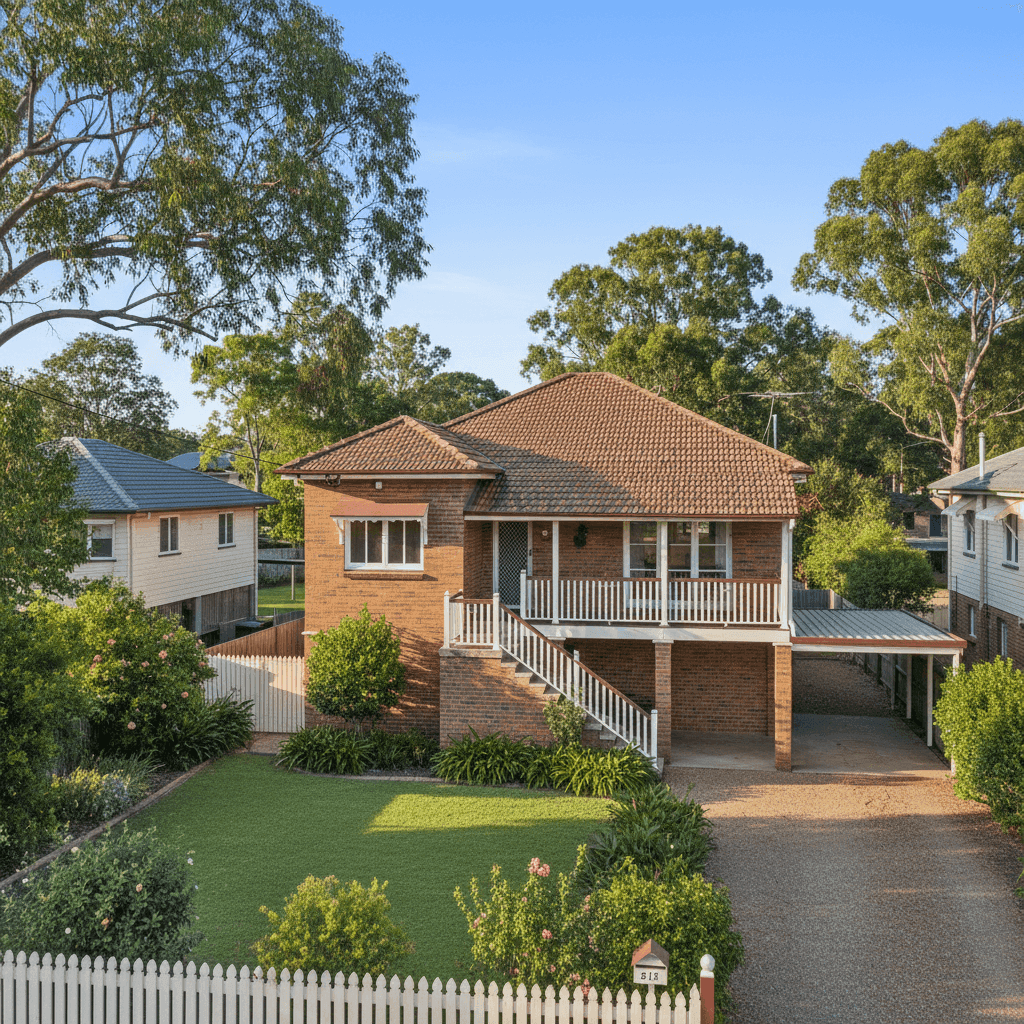
Kepnock is a quiet residential suburb sitting on the southern side of Bundaberg in Queensland's Wide Bay region. It's a popular choice for families and long-term owner-occupiers, characterised by modest, well-established homes — many of them built in the post-war and mid-century era. If you own a free standing home here and you're wondering whether your home insurance premium is reasonable, this article breaks down a real quote and puts it in context.
---
Is This Quote Fair?
The quote in question is $2,579 per year (or $253 per month) for a combined Home and Contents policy. It covers a building sum insured of $525,000 and contents valued at $50,000, with a $1,000 excess applying to both building and contents claims.
Our pricing analysis rates this quote as Fair — Around Average. That's actually a solid outcome for a Kepnock property. Here's why: the suburb's average premium sits at $4,217 per year, meaning this quote comes in roughly 39% below the local average. It also sits just below the suburb median of $2,744, which means more than half of comparable Kepnock quotes are actually more expensive than this one.
For homeowners who've been paying well above this figure, or who haven't shopped around recently, this quote is a meaningful benchmark worth paying attention to.
---
How Kepnock Compares
To properly appreciate this quote, it helps to see how Kepnock's insurance costs compare across different levels.
| Benchmark | Annual Premium |
|---|---|
| This Quote | $2,579 |
| Kepnock 25th Percentile | $2,198 |
| Kepnock Median | $2,744 |
| Kepnock Average | $4,217 |
| Kepnock 75th Percentile | $6,720 |
| QLD State Median | $3,903 |
| QLD State Average | $9,129 |
| National Median | $2,764 |
| National Average | $5,347 |
A few things stand out here. First, the wide spread between Kepnock's 25th percentile ($2,198) and 75th percentile ($6,720) tells you that premiums in this suburb vary enormously — the difference between the cheapest and most expensive quartile is more than $4,500 per year. That kind of range underscores just how important it is to compare multiple quotes rather than accepting the first offer.
Second, Queensland's state average of $9,129 is extraordinarily high — more than three times the national average. This reflects the elevated risk profile of much of Queensland, including cyclone-prone coastal areas, flood zones, and severe storm corridors. Kepnock itself benefits from sitting outside a designated cyclone risk zone, which helps keep premiums more manageable compared to coastal Queensland towns further north.
Against the national average of $5,347, this quote looks even more competitive. At $2,579, it's less than half the national average — a strong result for a home of this size and age.
---
Property Features That Affect Your Premium
Several characteristics of this property play a meaningful role in shaping the premium.
Brick Veneer Construction Brick veneer is generally viewed favourably by insurers. It offers solid fire resistance and structural durability compared to timber-framed weatherboard homes, which can translate into lower rebuild costs and reduced risk of total loss in certain events.
Tiled Roof Terracotta or concrete tiles are considered a resilient roofing material. They hold up well in hail and wind events, and they're far less susceptible to fire than Colorbond or corrugated iron in some scenarios. That said, tiles can crack under extreme hail — something worth noting given Bundaberg's exposure to severe summer storms.
Slab Foundation A concrete slab foundation is typically seen as low-risk from an insurance perspective. There's no subfloor cavity to worry about, and slab homes tend to be structurally stable over time — provided the soil conditions are appropriate, which in Kepnock's case is generally fine.
Elevated by at Least 1 Metre This is a notable feature. Elevating a home — even on a slab — can significantly reduce flood and storm surge exposure. Given that Bundaberg has experienced serious flooding in recent years, this elevation may be a meaningful factor in keeping this premium competitive. Insurers often price flood risk heavily in the Bundaberg region, so any physical mitigation helps.
Ducted Climate Control The presence of ducted air conditioning adds to the insured value of the home's fixtures and fittings. While it's a relatively minor factor in the overall premium, it does contribute to the building sum insured and is worth ensuring is correctly declared.
1970s Construction Homes built around 1970 are now over 50 years old. While many are structurally sound, older homes can carry higher rebuild complexity — particularly around plumbing, electrical systems, and compliance with modern building codes. Insurers factor this in when calculating premiums, and it's worth ensuring your sum insured reflects the true cost of rebuilding to current standards, not just the market value of the property.
---
Tips for Homeowners in Kepnock
1. Review your sum insured regularly Construction costs have risen sharply in recent years across Queensland. A building sum insured of $525,000 for a 130 sqm home in Kepnock may be appropriate, but it's worth cross-checking against a current building cost estimator. Being underinsured can leave you significantly out of pocket after a major claim.
2. Understand your flood cover Bundaberg has a well-documented flood history. Check whether your policy explicitly includes flood cover — not just storm damage. Many standard policies treat them differently, and the distinction matters enormously in this region. If flood cover isn't included, consider adding it or switching to a provider that includes it as standard.
3. Shop around — the spread is wide As the data shows, premiums in Kepnock range from around $2,200 to over $6,700 depending on the insurer and policy. That's not a small difference. Getting at least three to four quotes each renewal cycle is one of the simplest ways to avoid overpaying.
4. Check your contents value is realistic A $50,000 contents sum insured is on the lower end for a three-bedroom home. Do a quick room-by-room estimate of your furniture, appliances, clothing, electronics, and valuables. Many households find they're underinsured on contents — which only becomes apparent after a burglary or fire.
---
Compare Your Own Quote
Whether you're renewing soon or just curious about what you should be paying, CoverClub makes it easy to see how your current premium stacks up. Get a home insurance quote in minutes and compare it against real data from your suburb and across Australia. There's no obligation — just clarity.