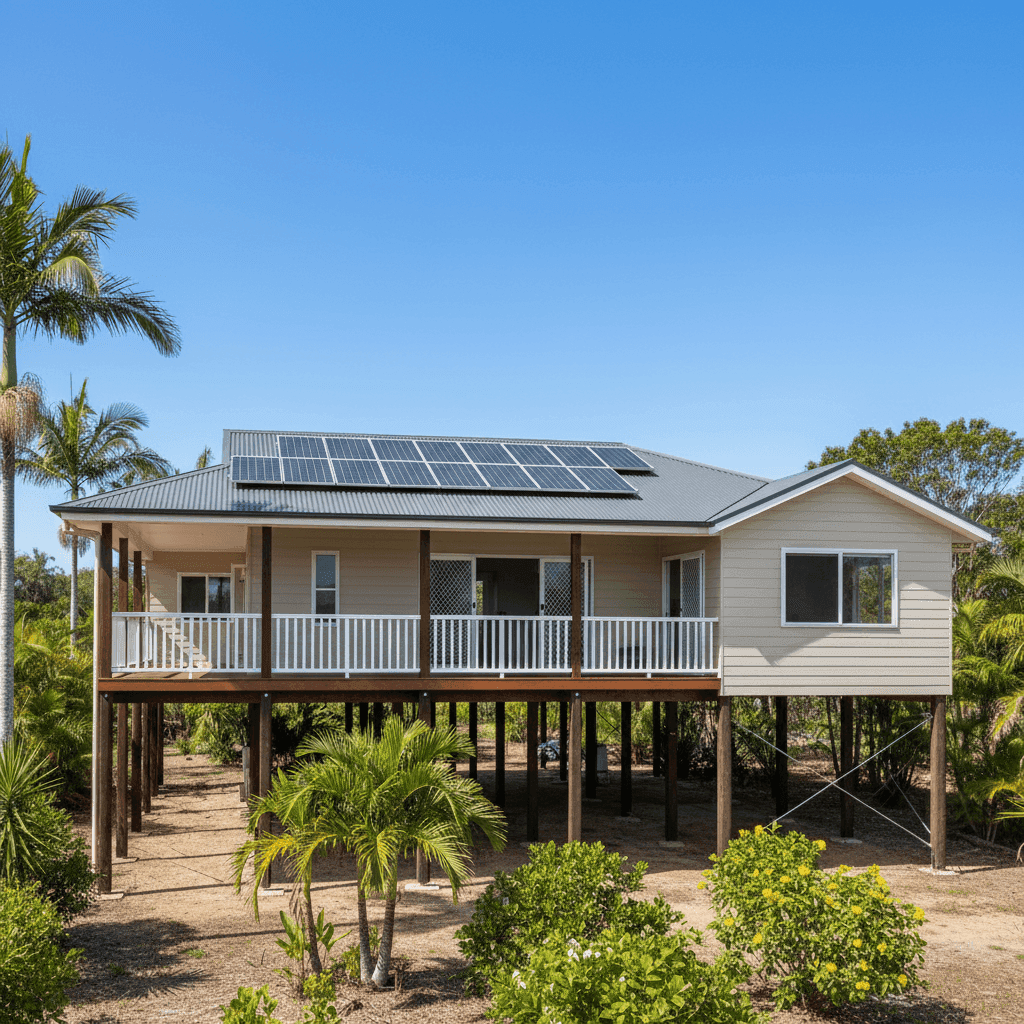
Nestled along the Capricorn Coast in Central Queensland, Keppel Sands is a quiet coastal community that offers a relaxed lifestyle — but one that comes with some very real insurance considerations. This article breaks down a real home insurance quote for a five-bedroom, free-standing home in Keppel Sands (QLD 4702), exploring what the premium reflects, how it stacks up against local and national benchmarks, and what homeowners in the area can do to keep their cover competitive.
---
Is This Quote Fair?
The short answer: yes — and then some. This quote came in at $3,272 per year (or approximately $307 per month), covering both building and contents for a home insured at $710,000 for the building and $50,000 for contents. Our pricing engine rates this as CHEAP, meaning it sits well below the average for the area.
To put that in perspective, the suburb average premium in Keppel Sands is $6,871 per year, and the median sits at $6,634. This quote is less than half the local average — a significant saving that would put thousands of dollars back in a homeowner's pocket annually.
Even against broader benchmarks, the figure holds up well. The Queensland state average is a hefty $9,129 per year, though it's worth noting the state median is considerably lower at $3,903 — reflecting the wide spread of premiums across QLD's diverse property landscape. Nationally, the average sits at $5,347, with a median of $2,764.
At $3,272, this quote is below the QLD median, below the national average, and dramatically below the local suburb average. For a cyclone-risk coastal property, that's a genuinely strong result.
---
How Keppel Sands Compares
Understanding where Keppel Sands sits in the broader insurance landscape helps frame just how significant these numbers are. You can explore the full data on the Keppel Sands suburb insurance stats page.
| Benchmark | Annual Premium |
|---|---|
| This Quote | $3,272 |
| Suburb 25th Percentile | $5,452 |
| Suburb Median | $6,634 |
| Suburb Average | $6,871 |
| Suburb 75th Percentile | $7,983 |
| QLD State Median | $3,903 |
| QLD State Average | $9,129 |
| National Median | $2,764 |
| National Average | $5,347 |
(Based on a sample of 15 quotes in the Keppel Sands area)
The wide gap between the QLD state median ($3,903) and state average ($9,129) tells an important story: a relatively small number of very high-risk properties — particularly in cyclone-prone coastal and far-north Queensland regions — are pulling the average up significantly. Keppel Sands, while itself a cyclone risk area, still manages to attract competitive premiums when the right property characteristics are present.
For a deeper dive into Queensland-wide insurance pricing trends, visit the QLD home insurance statistics page, or compare against the national home insurance benchmarks.
---
Property Features That Affect Your Premium
Several characteristics of this particular property likely contributed to the competitive premium. Here's what insurers typically weigh up for a home like this:
Construction Materials
The home features Hardiplank/Hardiflex external walls — a fibre cement cladding that is widely regarded as a strong performer in cyclone and storm conditions. It's resistant to moisture, impact, and fire, which insurers generally view favourably. The steel Colorbond roof is similarly well-regarded; Colorbond is a staple of Australian residential construction precisely because of its durability in harsh weather, including high winds and heavy rain.
Foundation Type
Built on poles (stumps), this home sits elevated above ground level — a common and practical design choice in coastal and flood-prone areas of Queensland. Elevated foundations can reduce flood damage risk by keeping the living areas above ground-level inundation, which may positively influence how insurers assess the property.
Age and Size
Constructed in 1991, the home is over 30 years old, which can sometimes attract higher premiums due to the potential for ageing infrastructure. However, at 105 square metres, the building footprint is relatively modest for a five-bedroom home, which helps moderate the rebuild cost despite the $710,000 sum insured.
Solar Panels
The presence of solar panels adds a layer of replacement cost to the building's sum insured, as panels can be damaged in storms or hail events. Ensuring they're included in the building cover (as they are here) is essential for coastal Queensland homeowners.
Ducted Climate Control
Ducted air conditioning is a significant fixed asset in any Queensland home. It's correctly factored into the building sum insured, as these systems can be costly to repair or replace following storm or water damage.
Cyclone Risk Area
Keppel Sands falls within a designated cyclone risk zone, which is one of the primary drivers of elevated premiums across coastal Queensland. The fact that this quote still came in well below local averages despite this classification is notable, and likely reflects a combination of favourable construction materials and the insurer's assessment of the specific risk profile.
---
Tips for Homeowners in Keppel Sands
Whether you're reviewing your current policy or shopping for the first time, here are four practical steps to make sure you're getting the best value on your home insurance in Keppel Sands.
- Don't underinsure your building. With rebuild costs continuing to rise across Queensland, it's critical that your sum insured reflects current construction costs — not what you paid for the home or what it was insured for five years ago. A $710,000 building sum insured for a 105 sqm home in a cyclone-risk area may seem high, but it accounts for the full cost of demolition, debris removal, and rebuilding to current standards.
- Review your contents cover annually. A $50,000 contents value is a reasonable starting point, but if you've made significant purchases — furniture, appliances, electronics — since you last updated your policy, you may be underinsured. Take 30 minutes each year to do a rough inventory.
- Ask about cyclone preparation discounts. Some insurers offer reduced premiums for homes that have been cyclone-proofed — things like storm shutters, reinforced garage doors, or roof tie-down systems. If you've made any upgrades, make sure your insurer knows about them.
- Compare quotes regularly. The spread of premiums in Keppel Sands is enormous — from $5,452 at the 25th percentile to nearly $8,000 at the 75th. That means the insurer you choose matters enormously. Don't let your policy auto-renew without checking what else is available.
---
Ready to Compare Your Own Quote?
If you own a home in Keppel Sands or anywhere else in Queensland, it's worth knowing whether you're paying a fair price. The data above shows that premiums in this suburb vary by thousands of dollars depending on the insurer — and the best way to find out where you stand is to compare.
Get a home insurance quote at CoverClub and see how your property stacks up against local and national benchmarks in minutes.