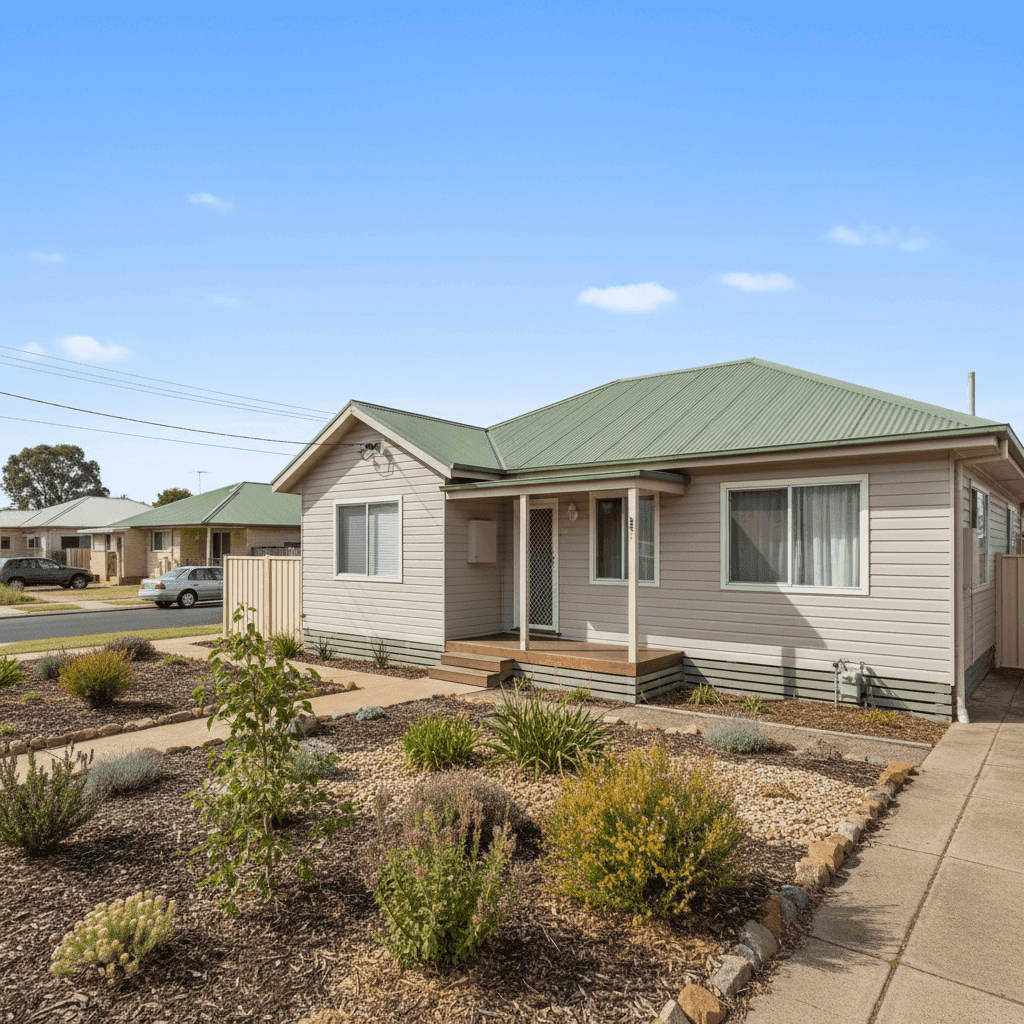
If you own a free standing home in Kerang, VIC 3579, you might be wondering whether you're paying a fair price for your home and contents insurance — or whether there's room to do better. This article breaks down a real insurance quote for a three-bedroom property in Kerang, benchmarks it against local, state, and national data, and offers practical tips to help you make the most of your cover.
---
Is This Quote Fair?
The short answer: yes — and then some. This quote comes in at $1,197 per year (or roughly $118 per month) for combined home and contents cover, with a building sum insured of $475,000 and contents valued at $50,000. Based on our pricing data, this quote is rated CHEAP — meaning it sits well below the average for comparable properties in the area.
To put that in perspective, the suburb average premium in Kerang is $2,193 per year, and the median sits at $1,918. This quote is priced at nearly half the suburb average, and it even undercuts the 25th percentile (the cheapest quarter of quotes) of $1,374 per year. That's a genuinely strong result.
The building excess is set at $2,000 and the contents excess at $1,000 — both are on the higher side, which typically helps bring the annual premium down. It's worth keeping that trade-off in mind: a lower premium now means a larger out-of-pocket cost if you do need to make a claim. For homeowners who are financially comfortable absorbing a moderate claim themselves, this is often a sensible arrangement.
---
How Kerang Compares
Zooming out beyond the suburb level paints an even clearer picture of just how competitive this quote is.
| Benchmark | Premium |
|---|---|
| This Quote | $1,197/yr |
| Kerang Suburb Average | $2,193/yr |
| Kerang Suburb Median | $1,918/yr |
| Kerang 25th Percentile | $1,374/yr |
| Swan Hill LGA Average | $2,816/yr |
| VIC State Average | $2,921/yr |
| National Average | $2,965/yr |
Compared to the VIC state average of $2,921 per year, this quote represents a saving of over $1,700 annually. Against the national average of $2,965, the saving is even more pronounced. Even within the Swan Hill LGA — which averages $2,816 per year — this quote stands out as exceptional value.
It's also worth noting that the Kerang suburb data is based on a solid sample of 143 quotes, giving us good confidence in these benchmarks. You can explore the full local pricing breakdown on the Kerang suburb stats page.
---
Property Features That Affect Your Premium
Several characteristics of this particular property influence the cost of insuring it — both positively and negatively. Here's how the key features stack up:
Construction Year: 1950
Older homes built around 1950 can sometimes attract higher premiums due to ageing infrastructure, outdated wiring, or plumbing that may be more prone to failure. Insurers often price in the added risk of wear and tear on a property of this age. That said, the competitive quote here suggests the other features of the home are working in the owner's favour.
External Walls: Hardiplank / Hardiflex
Hardiplank (also known as Hardiflex) is a fibre cement cladding product that's popular in Australian homes. It's considered a relatively durable and fire-resistant material, which insurers generally view favourably. This wall type may contribute to the more competitive pricing compared to, say, a weatherboard or timber-clad home.
Roof: Steel / Colorbond
A Colorbond steel roof is one of the most common and well-regarded roofing materials in Australia. It's durable, low-maintenance, and performs well in both heat and rain. Insurers typically price steel roofing more favourably than older tile or corrugated iron roofs, particularly on homes of this age.
Foundation: Stumps
The home sits on stump foundations, which is common in older Victorian properties. Stump foundations can be a factor in some insurance assessments, particularly if there's any risk of subsidence or movement — though this varies between insurers.
Flooring: Carpet
Carpeted flooring is straightforward from an insurance perspective. It doesn't typically attract premium loadings, though it is worth ensuring your contents sum insured accounts for the cost of replacing floor coverings if they're damaged in an insured event.
Ducted Climate Control: Yes
The presence of ducted climate control adds to the replacement value of the home. At $475,000 building sum insured, it's important that the cost of replacing or repairing the ducted system is factored into your total coverage — which appears to be the case here.
No Pool, No Solar Panels
The absence of a swimming pool and solar panels simplifies the risk profile for insurers. Both features can add complexity (and cost) to a policy, so their absence likely contributes to the lower-than-average premium.
---
Tips for Homeowners in Kerang
Whether you're reviewing your current policy or shopping for a new one, here are some practical steps Kerang homeowners can take to get the best value from their home insurance.
- Review your sum insured regularly. Building costs have risen significantly in recent years, and a sum insured set even two or three years ago may no longer reflect the true cost of rebuilding your home. Use a building cost calculator to check your coverage is adequate — being underinsured can be just as costly as overpaying.
- Consider your excess carefully. The $2,000 building excess on this policy helps keep the premium low, but make sure you have that amount readily available if you ever need to claim. If a large excess would cause financial stress, it may be worth adjusting it upward slightly and comparing the premium difference.
- Bundle home and contents. This quote already combines building and contents cover, which typically delivers better value than purchasing them separately. If you haven't already bundled your policies, it's worth comparing the combined cost against two standalone policies.
- Shop around at renewal time. Insurers often reserve their best pricing for new customers, and premiums can creep up at renewal without much fanfare. Make it a habit to compare quotes annually — even if you're happy with your current insurer, knowing what else is available gives you negotiating power.
---
Compare Your Own Quote
Wondering how your home insurance stacks up? CoverClub makes it easy to compare quotes from multiple insurers in one place, so you can see exactly where your premium sits relative to your neighbours and the broader market. Whether you're in Kerang or anywhere else in Australia, it only takes a few minutes to get started.