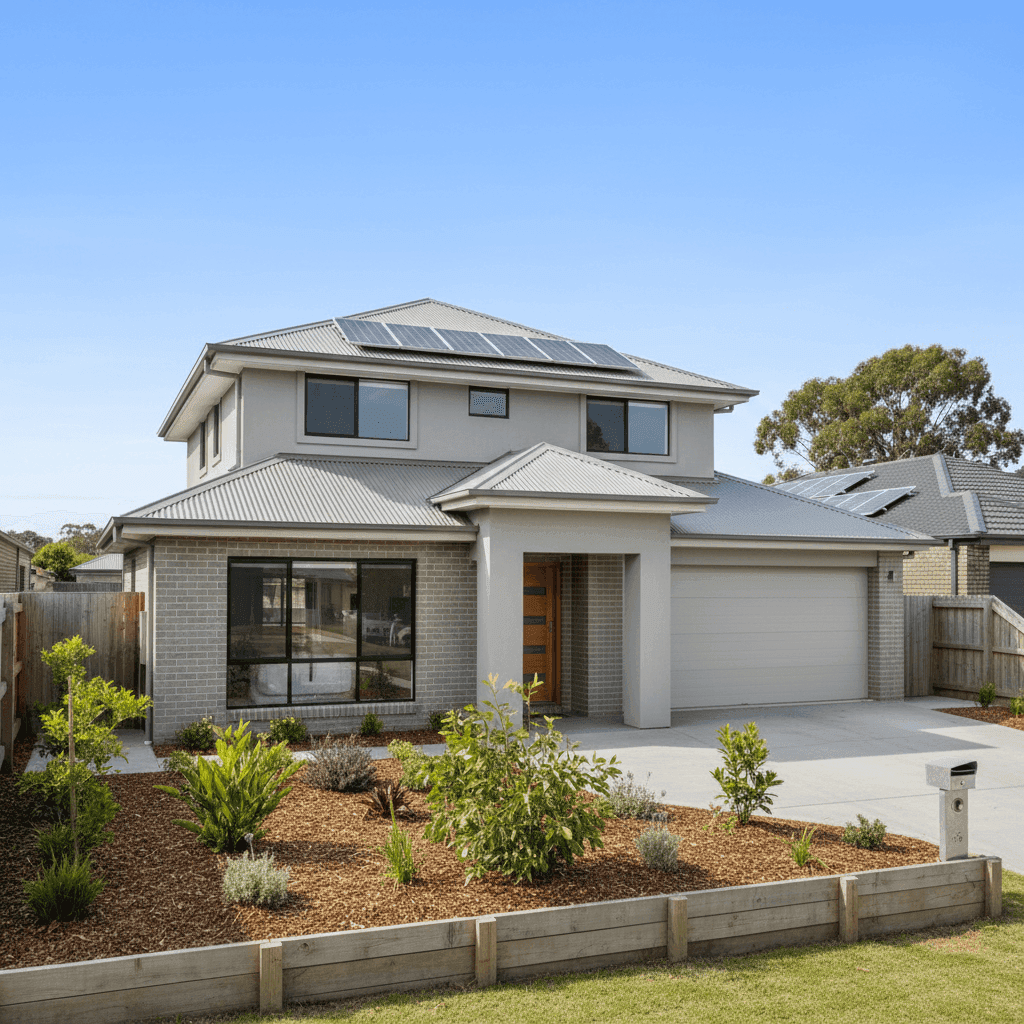
If you own a free standing home in Kew, NSW 2439, you've probably wondered whether you're paying a fair price for home insurance — or quietly overpaying without realising it. This article breaks down a real home and contents insurance quote for a four-bedroom property in Kew, benchmarks it against local, state, and national data, and offers practical tips to help you make the most of your cover.
---
Is This Quote Fair?
The quote in question comes in at $2,720 per year (or $280/month) for combined home and contents insurance, covering a building sum insured of $875,000 and contents valued at $50,000. The building excess sits at $3,000 and the contents excess at $1,000.
Our price rating for this quote is FAIR — Around Average, and the numbers back that up.
Compared to the suburb average of $2,745/year for Kew, this quote is almost exactly on par — just $25 below the local average. That's a reassuringly tight margin, suggesting the premium is well-calibrated to the local risk environment rather than inflated by insurer margin or under-informed pricing.
That said, "average" doesn't always mean "optimal." As you'll see below, there's meaningful spread in what Kew homeowners are paying, and understanding where you sit in that range is key to knowing whether you should shop around.
---
How Kew Compares
To properly contextualise this quote, it helps to look at the full pricing landscape — from your street to the national level. You can explore the raw data yourself at the Kew suburb stats page, the NSW state overview, or the national insurance stats.
Kew (NSW 2439) — Suburb Level
Based on 18 quotes collected for the Kew area:
| Metric | Premium |
|---|---|
| 25th Percentile | $1,402/yr |
| Median | $1,767/yr |
| Average | $2,745/yr |
| 75th Percentile | $4,654/yr |
The gap between the median ($1,767) and the average ($2,745) tells an interesting story. When averages sit well above the median, it usually means a handful of high-value or high-risk properties are pulling the average up. At $2,720, this quote lands above the suburb median — which makes sense given the property's relatively high building sum insured of $875,000 and its 214 sqm footprint.
NSW State Level
The contrast with the broader NSW picture is striking. The state average premium is $9,528/year, with a median of $3,770. Kew homeowners — including the owner of this property — are paying considerably less than the NSW average. This likely reflects the area's lower exposure to some of the extreme weather events and urban density risks that drive premiums sky-high in parts of Sydney and flood-prone regional NSW.
The LGA average for Port Macquarie-Hastings sits at $7,001/year — again, well above what this Kew property is attracting, which suggests this specific property's characteristics are working in the owner's favour.
National Level
Nationally, the average home insurance premium is $5,347/year, with a median of $2,764. At $2,720, this quote comes in just below the national median — a solid result for a four-bedroom, double brick home with a substantial building sum insured.
---
Property Features That Affect Your Premium
Several characteristics of this property have a meaningful influence on the premium, and it's worth understanding how.
Double Brick Construction Double brick walls are generally viewed favourably by insurers. They offer superior fire resistance, structural integrity, and durability compared to weatherboard or lightweight cladding. This construction type can contribute to more competitive premiums.
Steel/Colorbond Roof Colorbond roofing is another tick in the "low risk" column. It's resistant to fire, handles Australia's harsh UV and heat cycles well, and is less susceptible to storm damage than terracotta or concrete tiles. Insurers tend to price this positively.
Slab Foundation A concrete slab foundation is standard for homes of this era and is generally considered low-risk from an insurance perspective. It's less prone to subsidence issues than older pier-and-beam foundations.
Built in 2012 A relatively modern construction year means the home was built under contemporary Australian building codes, which incorporate improved standards for structural resilience, waterproofing, and cyclone/wind resistance. Newer homes typically attract lower premiums than ageing stock.
Solar Panels The presence of solar panels adds some replacement cost to the equation — solar systems can be expensive to repair or replace after storm or hail damage. This is worth keeping in mind when reviewing your building sum insured to ensure it adequately accounts for the panels.
No Pool, No Cyclone Risk Zone The absence of a swimming pool removes a common liability and maintenance risk factor. And while coastal NSW can see severe storms, Kew falls outside designated cyclone risk areas, which keeps premiums more manageable than properties in Far North Queensland or parts of WA.
---
Tips for Homeowners in Kew
1. Review Your Building Sum Insured Annually At $875,000, the building sum insured here is substantial — but construction costs have risen sharply in recent years. Make sure your sum insured reflects current rebuild costs (not market value), including any improvements, your solar system, and outbuildings. Underinsurance is one of the most common and costly mistakes Australian homeowners make.
2. Consider Adjusting Your Excess to Lower Your Premium This quote carries a $3,000 building excess. If you're financially comfortable absorbing a slightly higher out-of-pocket cost in the event of a claim, increasing your excess further could reduce your annual premium. Conversely, if cash flow is a concern, a lower excess might be worth the extra premium.
3. Shop Around — Even When Your Quote Seems Fair A "fair" rating means you're around average, not that you're getting the best deal available. With the suburb's 25th percentile sitting at $1,402/year, there are clearly homeowners in Kew paying significantly less. Comparing multiple quotes takes minutes and can save hundreds.
4. Bundle Strategically Home and contents insurance is already combined in this policy, which is a smart move — bundling typically offers better value than holding separate policies. If you also hold car insurance or landlord cover, ask insurers about multi-policy discounts.
---
Compare Your Home Insurance Quote Today
Whether you're renewing your policy or buying cover for the first time, it pays to know what the market looks like. CoverClub makes it easy to compare home insurance quotes for properties across NSW and Australia — so you can see exactly how your premium stacks up. Get a quote now and find out if you could be paying less for the same level of protection.