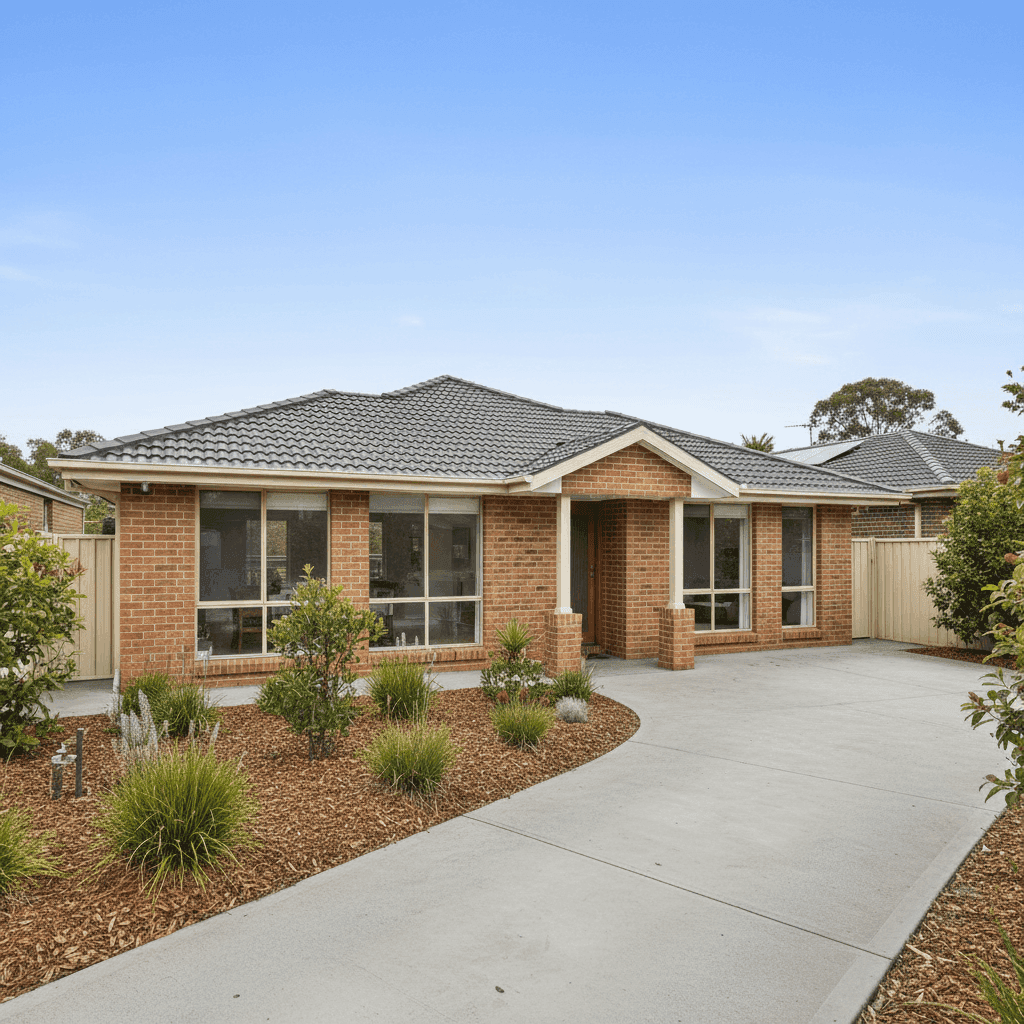
Keysborough is a well-established suburb in Melbourne's south-east, sitting within the City of Greater Dandenong. Known for its mix of family homes, leafy streets, and convenient access to the Monash Freeway, it's a popular choice for owner-occupiers who value space and community. If you own a free standing home here, understanding what you should be paying for home and contents insurance is a smart move — and that's exactly what we're breaking down in this article.
We've analysed a real insurance quote for a 3-bedroom, 2-bathroom free standing home in Keysborough, and compared it against suburb, state, and national benchmarks to give you a clear picture of where this premium sits.
---
Is This Quote Fair?
The quote in question comes in at $1,598 per year (or $153 per month) for combined home and contents cover, with a building sum insured of $617,000 and contents valued at $15,000. Both the building and contents excess are set at $2,000.
Our price rating for this quote is FAIR — Around Average.
That assessment holds up when you look at the numbers. The suburb average for Keysborough sits at $2,120 per year, with a median of $1,756. This quote at $1,598 comes in below both the average and the median, placing it comfortably in the lower half of the pricing range for the area. In fact, it's closer to the 25th percentile ($1,390) than it is to the 75th ($2,386), which suggests this is a reasonably competitive premium for the suburb.
So while "Fair" might sound middling, in context it means the homeowner is paying less than the majority of comparable properties in the postcode — which is genuinely a decent outcome.
---
How Keysborough Compares
To put this quote in proper perspective, it helps to zoom out and look at the broader pricing landscape.
| Benchmark | Annual Premium |
|---|---|
| This Quote | $1,598 |
| Keysborough Suburb Average | $2,120 |
| Keysborough Suburb Median | $1,756 |
| Greater Dandenong LGA Average | $1,868 |
| VIC State Average | $3,000 |
| VIC State Median | $2,718 |
| National Average | $5,347 |
| National Median | $2,764 |
The contrast with state and national figures is striking. At $1,598, this premium is 47% below the Victorian state average and a remarkable 70% below the national average. Much of that national figure is skewed by high-risk regions in Queensland and Western Australia — areas prone to cyclones, flooding, and severe storms — so the comparison isn't entirely apples-to-apples. That said, it does highlight that Melbourne's south-eastern suburbs remain relatively affordable from an insurance perspective.
You can explore broader Victorian home insurance data or dig into national home insurance statistics to see how different regions stack up.
Within the Greater Dandenong LGA, the average sits at $1,868 — still comfortably above this quote — which further reinforces that this is a solid result for the area.
---
Property Features That Affect Your Premium
Several characteristics of this property influence how insurers price the risk. Here's what's relevant:
Brick Veneer Walls Brick veneer is one of the most common wall types in Melbourne's suburban homes, and insurers generally view it favourably. It offers good fire resistance and structural durability, which can contribute to more competitive premiums compared to weatherboard or lightweight cladding.
Tiled Roof Terracotta or concrete tiles are considered a relatively low-risk roofing material. They're durable, fire-resistant, and widely used across Victoria. A tiled roof on a brick veneer home is essentially the "standard" combination insurers are most comfortable pricing.
Slab Foundation A concrete slab foundation is straightforward for insurers to assess. It doesn't carry the same subsidence or moisture risks associated with older pier-and-beam or strip footings, making it a neutral-to-positive factor in premium calculations.
Construction Year: 1983 Homes built in the early 1980s are well past the point of being considered "new," but they're also not so old that they raise significant concerns about wiring, plumbing, or structural integrity — provided they've been reasonably maintained. Insurers may factor in the age when assessing replacement costs, which is reflected in the $617,000 building sum insured.
Timber and Laminate Flooring Timber and laminate floors can be more costly to replace than carpet, and insurers account for this in their building valuations. It's worth ensuring your sum insured accurately reflects the cost of reinstating these finishes.
Ducted Climate Control Having ducted heating and cooling adds value to the property and is factored into the building sum insured. It's a common feature in Melbourne homes given the city's variable climate, and it's important that your policy covers the full replacement cost of this system.
No Pool, No Solar Panels The absence of a pool removes a liability risk that can push premiums higher in some cases. Similarly, no solar panels means there's no need to factor in the replacement cost of rooftop systems — keeping the insured value (and therefore the premium) a little leaner.
---
Tips for Homeowners in Keysborough
1. Review your building sum insured regularly Construction costs have risen significantly in recent years. A sum insured set a few years ago may no longer reflect the true cost of rebuilding your home. Use a building cost calculator or speak with a quantity surveyor to make sure you're not underinsured — especially with a 214 sqm home that includes features like ducted climate control and quality flooring.
2. Consider increasing your excess to reduce your premium Both the building and contents excess on this policy are set at $2,000. If you have the financial buffer to handle a higher out-of-pocket cost in the event of a claim, opting for a higher excess can meaningfully reduce your annual premium. Just make sure the savings justify the risk.
3. Don't overlook contents cover A contents value of $15,000 is on the lower end for a 3-bedroom home. Take the time to do a proper inventory of your belongings — furniture, appliances, clothing, electronics, and jewellery all add up quickly. Being underinsured on contents can leave you significantly out of pocket after a claim.
4. Compare quotes before your renewal date Insurance loyalty rarely pays off. Premiums can vary significantly between providers for the same level of cover. Shopping around — ideally a few weeks before your policy renews — gives you the best chance of securing a competitive rate without any gap in cover.
---
Ready to Compare Home Insurance in Keysborough?
Whether you're renewing an existing policy or insuring a property for the first time, comparing quotes is the single most effective way to make sure you're getting value for money. Get a home insurance quote through CoverClub and see how your premium stacks up against what others in your suburb are paying. With data from 88 quotes in the Keysborough area alone, you'll have real local context to guide your decision.