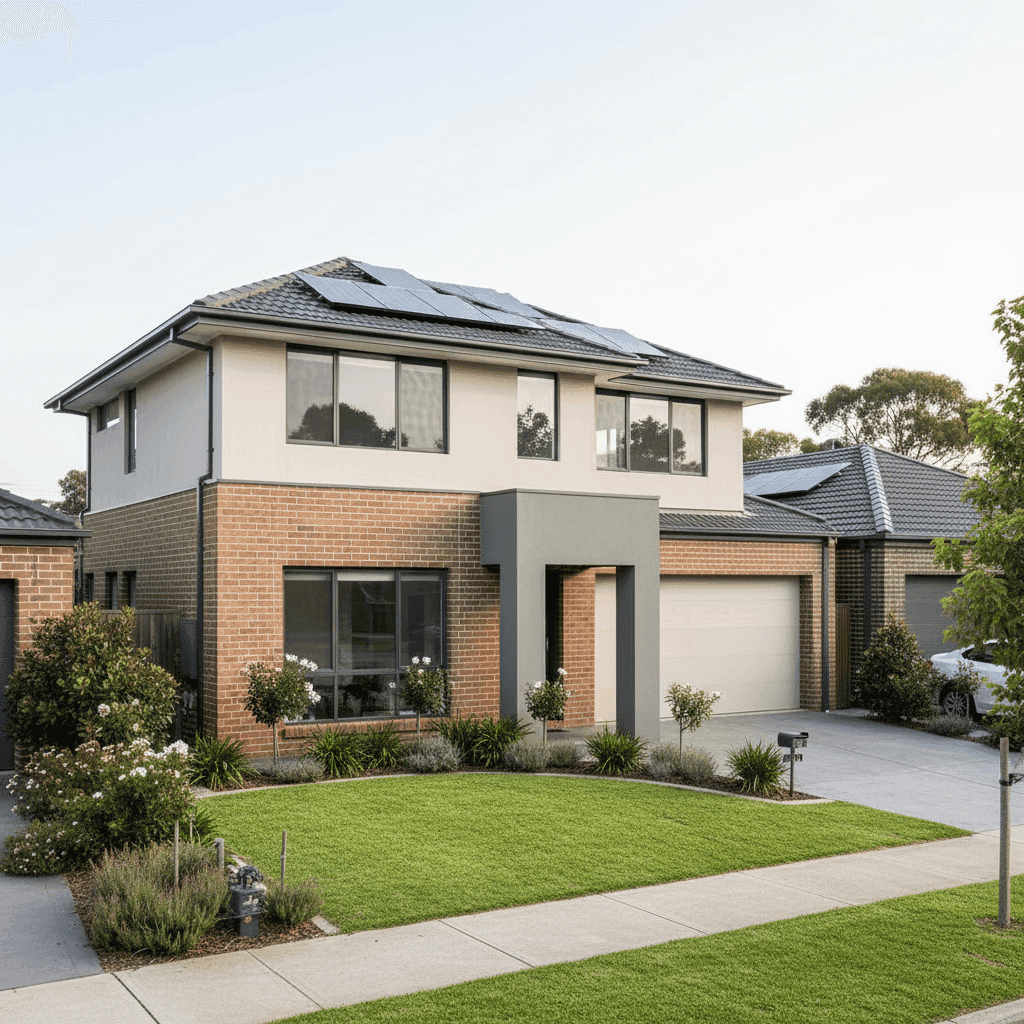
Keysborough is a well-established suburb in Melbourne's south-east, sitting within the City of Greater Dandenong. Known for its mix of modern family homes and convenient access to major arterials, it's a popular choice for households looking for space without straying too far from the CBD. This article takes a close look at a home and contents insurance quote for a four-bedroom, free-standing brick veneer home in Keysborough — and breaks down whether the price stacks up.
---
Is This Quote Fair?
The annual premium for this property came in at $2,262 per year (or $221 per month), covering a building sum insured of $974,000 and $50,000 in contents — with a $1,000 excess on both building and contents claims.
Our price rating for this quote is FAIR — Around Average, which means it sits comfortably within the typical range for the area, without being a standout bargain or an obvious overpay.
To put that in perspective:
- The suburb average for Keysborough (based on 88 quotes) is $2,120/yr, and the median sits lower at $1,756/yr
- This quote falls between the 75th percentile of $2,386/yr and the suburb average, suggesting it's on the higher side of "normal" — but not out of the ordinary for a property of this size and sum insured
- Compared to the Greater Dandenong LGA average of $1,868/yr, this quote is moderately above average, which is largely explained by the higher-than-typical building sum insured of $974,000
The $974,000 building sum insured is a significant figure — well above what many smaller or older homes in the suburb would carry — so a slightly elevated premium is entirely expected. For a 315 sqm home with above-average fittings, that sum insured is reasonable and arguably essential to avoid being underinsured in the event of a total loss.
---
How Keysborough Compares
One of the most reassuring aspects of this quote is how favourably Keysborough compares to broader benchmarks. You can explore the full data on the Keysborough suburb stats page, the Victoria state overview, and the national insurance stats page.
| Benchmark | Average Premium | Median Premium |
|---|---|---|
| Keysborough (3173) | $2,120/yr | $1,756/yr |
| Greater Dandenong LGA | $1,868/yr | — |
| Victoria (VIC) | $3,000/yr | $2,718/yr |
| National | $5,347/yr | $2,764/yr |
At $2,262/yr, this quote sits well below the Victorian state average of $3,000/yr — a saving of around $738 annually compared to what many Victorian homeowners are paying. The national average of $5,347/yr is skewed significantly by high-risk regions in Queensland and Western Australia (cyclone zones, flood-prone areas), but even the national median of $2,764/yr is slightly above this quote.
The takeaway: Keysborough is a relatively affordable suburb to insure. It sits outside cyclone-risk zones, doesn't carry the flood premiums seen in parts of regional Victoria, and benefits from being in a well-serviced metropolitan area where emergency response times are generally strong — all factors that keep premiums lower than the national norm.
---
Property Features That Affect Your Premium
Several characteristics of this property directly influence what insurers charge. Here's how each one plays a role:
Brick Veneer Construction Brick veneer is one of the most common and insurer-friendly wall types in Australian suburbia. It offers solid fire resistance and structural durability, and is generally viewed favourably when calculating risk — often resulting in lower premiums compared to timber-framed or clad homes.
Tiled Roof A tiled roof is another tick in the right column. Tiles are durable, fire-resistant, and widely used across Melbourne's south-east. They tend to attract lower premiums than Colorbond or, particularly, older materials like fibrous cement or asbestos sheeting.
Concrete Slab Foundation Slab foundations are standard for homes of this era and construction type. They're structurally sound and don't carry the same subsidence risks associated with older pier-and-beam foundations, which can be a concern in some parts of Victoria.
Solar Panels The presence of solar panels adds a modest layer of complexity to a home insurance policy. Panels are typically covered under building insurance, but they do represent an additional asset that contributes to the overall sum insured. It's worth confirming with your insurer that your solar system — including inverters and mounting hardware — is explicitly listed in your policy.
Ducted Climate Control Ducted heating and cooling systems are a significant fixed asset and are generally covered under building insurance. Like solar panels, it's worth verifying that the full replacement value of your system is reflected in your building sum insured.
Above-Average Fittings With above-average fittings across a 315 sqm home — think quality cabinetry, stone benchtops, premium tapware and flooring — the cost to rebuild or repair is meaningfully higher than a standard finish. This is a key reason why a $974,000 sum insured is appropriate here, and why cutting corners on coverage to save on premiums could be a costly mistake.
---
Tips for Homeowners in Keysborough
1. Don't underinsure your building With construction costs continuing to rise across Melbourne, the gap between what many homeowners are insured for and what it would actually cost to rebuild has widened considerably. For a home of this size and finish, $974,000 is a reasonable figure — but it's worth revisiting your sum insured annually or after any significant renovation.
2. Check your solar panels are covered Not all insurers treat solar panels the same way. Some include them automatically under building cover; others require you to list them separately or may apply sub-limits. Review your Product Disclosure Statement (PDS) carefully and ask your insurer directly if you're unsure.
3. Review your contents figure $50,000 in contents cover is relatively modest for a four-bedroom, three-bathroom home with above-average fittings. If you've accumulated quality furniture, appliances, clothing, jewellery or electronics over the years, it's worth doing a proper contents audit to make sure you're not left short after a claim.
4. Compare quotes at renewal A "fair" rating is a reasonable outcome, but it doesn't mean you couldn't do better. Insurance pricing varies significantly between providers for the same property, and loyalty doesn't always pay. Shopping around at renewal — or even mid-policy — can surface meaningful savings without sacrificing cover quality.
---
Compare Your Home Insurance Quote
Whether you're renewing your current policy or insuring a new property, it pays to see what's available across the market. Get a home insurance quote at CoverClub and compare your options side by side — it takes just a few minutes and could save you hundreds each year.