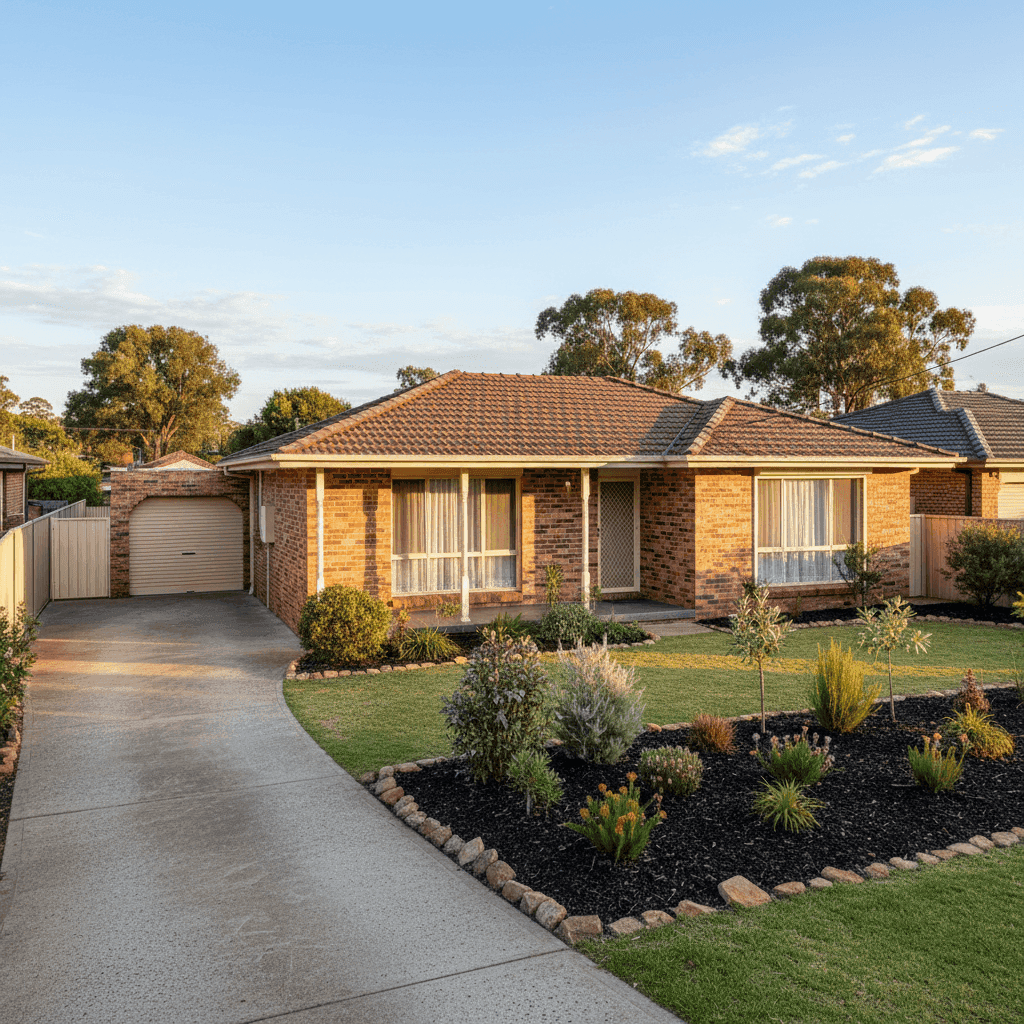
If you own a free standing home in Kilaben Bay, NSW 2283, you're probably curious about whether you're paying a fair price for building insurance — or leaving money on the table. This article breaks down a real building-only insurance quote for a three-bedroom, two-bathroom brick veneer home in Kilaben Bay, and puts it in context against local, state, and national benchmarks.
---
Is This Quote Fair?
The quote in question comes in at $2,068 per year (or roughly $203 per month) for building-only cover with a $2,000 building excess and a $800,000 sum insured. Our analysis rates this as CHEAP — below the suburb average — which is great news for the homeowner.
To put that into perspective: the average home insurance premium in Kilaben Bay sits at $3,366 per year, with a median of $3,278. This quote lands well below both figures — and even falls under the suburb's 25th percentile of $2,685, meaning it's cheaper than at least three-quarters of comparable quotes in the area. That's a genuinely strong result.
Of course, premiums vary based on the insurer, the level of cover, the excess chosen, and the specific risk profile of the property. A higher excess — like the $2,000 building excess here — typically reduces the annual premium, so that's one factor worth keeping in mind when comparing quotes. Still, by any reasonable measure, this is a competitively priced policy.
---
How Kilaben Bay Compares
Understanding how your suburb stacks up against broader benchmarks helps you gauge whether local pricing is reasonable — or whether you should be shopping harder.
Here's a snapshot of the data (based on a sample of 12 quotes in the suburb):
| Benchmark | Premium |
|---|---|
| This quote | $2,068/yr |
| Kilaben Bay suburb average | $3,366/yr |
| Kilaben Bay suburb median | $3,278/yr |
| Kilaben Bay 25th percentile | $2,685/yr |
| Kilaben Bay 75th percentile | $3,781/yr |
| NSW state average | $9,528/yr |
| NSW state median | $3,770/yr |
| Lake Macquarie LGA average | $11,064/yr |
| National average | $5,347/yr |
| National median | $2,764/yr |
A few things stand out here. First, the NSW state average of $9,528 is dramatically higher than what Kilaben Bay homeowners typically pay — largely because that figure is skewed upward by high-risk postcodes elsewhere in the state, including flood-prone and cyclone-affected regions. The state median of $3,770 is a more representative figure, and Kilaben Bay's suburb average sits just below it.
The Lake Macquarie LGA average of $11,064 looks alarming at first glance, but again, this is heavily influenced by higher-risk properties across the broader local government area. Kilaben Bay, nestled on the shores of Lake Macquarie, appears to attract more moderate premiums than many of its LGA neighbours.
Nationally, the median premium of $2,764 is actually close to what Kilaben Bay homeowners typically pay — suggesting the suburb sits in a reasonable mid-range band compared to the rest of Australia. You can explore more suburb-level data on the Kilaben Bay insurance stats page, or compare against NSW state averages and national benchmarks.
---
Property Features That Affect Your Premium
Several characteristics of this particular property influence how insurers price the risk — and understanding them can help you have more informed conversations with your insurer.
Brick veneer construction is generally viewed favourably by insurers. It offers solid resistance to fire and wind, and tends to be more durable than timber-framed or clad alternatives. Homes with brick veneer walls often attract lower premiums than those with less robust external finishes.
Tiled roofing is another positive signal. Terracotta or concrete tiles are considered a lower fire risk than Colorbond or corrugated iron in some assessments, and they're a common, well-understood material for insurers operating in NSW.
Slab foundation is the standard for homes of this era and construction type, and doesn't typically introduce any unusual risk factors for insurers.
The home was built in 1975, which places it in a generation of construction that's well past its warranty period but generally well understood by the market. Older homes can sometimes attract slightly higher premiums due to the cost of replacing period-appropriate materials or fixtures, though this is more relevant for high-end or heritage properties than standard residential builds.
Vinyl flooring is a practical, cost-effective choice that tends to have minimal impact on premium pricing. It's relatively inexpensive to replace compared to hardwood or engineered timber, which can actually work in the homeowner's favour.
The property includes ducted climate control, which is worth noting. Ducted systems are a significant fixture and are typically included in the building sum insured — so it's important to ensure your sum insured adequately accounts for the replacement cost of these systems. At $800,000, the sum insured for this 153 sqm home appears substantial, though homeowners should periodically review this figure against current construction costs.
---
Tips for Homeowners in Kilaben Bay
1. Review your sum insured regularly. Construction costs have risen significantly in recent years. A sum insured set a few years ago may no longer reflect the true cost of rebuilding your home from scratch. Use an independent building cost calculator or speak with a quantity surveyor to make sure you're not underinsured.
2. Consider your excess strategically. This policy carries a $2,000 building excess, which is on the higher end. While a higher excess reduces your annual premium, it also means you'll pay more out of pocket when making a claim. Think about what you could comfortably afford in the event of storm damage or another insurable event, and set your excess accordingly.
3. Shop around at renewal time. Even if you're happy with your current insurer, it pays to compare quotes annually. The insurance market shifts, and loyalty doesn't always translate to the best price. Platforms like CoverClub make it easy to see how your current premium stacks up against the market.
4. Check what's included — and what's not. Building-only cover protects the physical structure of your home, but it won't cover your furniture, appliances, or personal belongings. If you haven't already, consider whether adding contents cover makes sense for your situation, and compare combined building and contents policies to see if the bundled price offers better value.
---
Compare Your Home Insurance Today
Whether you're renewing an existing policy or buying cover for the first time, it's worth taking a few minutes to see what the market is offering. CoverClub helps Australian homeowners compare home insurance quotes quickly and without the hassle. Get a quote today and find out if you're getting a fair deal — or if there's a better option waiting for you.