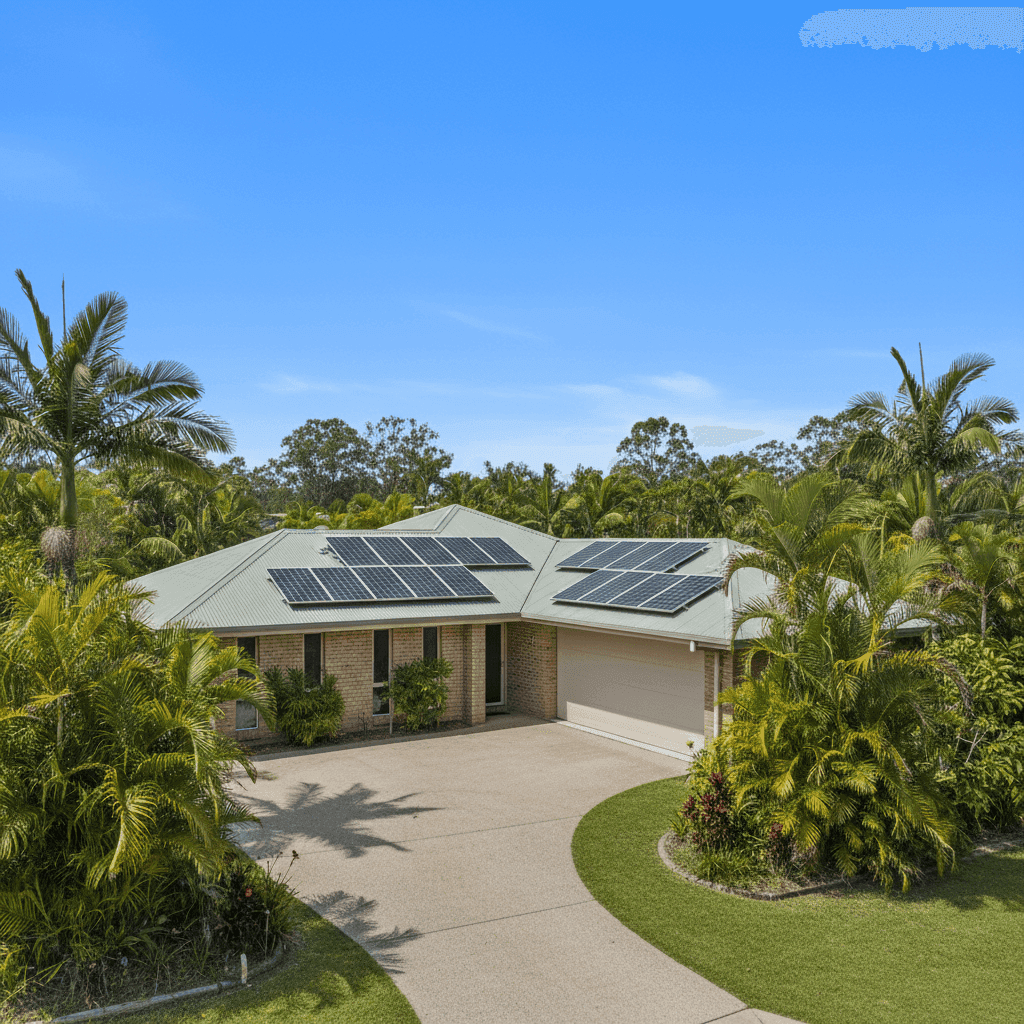
Getting a home insurance quote is one thing — understanding whether it's actually good value is another. This article breaks down a real building insurance quote for a three-bedroom free standing home in Killaloe, QLD 4877, comparing the premium against local, state, and national benchmarks so you can make a more informed decision about your cover.
---
Is This Quote Fair?
The short answer: yes — and then some. This quote came in at $4,779 per year (or $458/month), and it has been rated CHEAP, meaning it sits below average for the area. For a cyclone-risk postcode in Far North Queensland, that's a genuinely strong result.
To put it in context:
- The LGA (Douglas) average is $5,140/yr — this quote is $361 cheaper
- The Queensland state average is $9,129/yr — this quote is nearly half that figure
- The national average is $5,347/yr — again, this quote comes in below that benchmark
- The Queensland median sits at $3,903/yr, and the national median at $2,764/yr
It's worth noting the distinction between averages and medians here. Averages are pulled upward by very high-risk or high-value properties, which is particularly pronounced in Queensland where cyclone and flood exposure can push some premiums into the tens of thousands. The median gives a better sense of what a "typical" homeowner pays. This quote sits between the QLD median and the QLD average — which, for a cyclone-designated area with a $799,000 sum insured, is a competitive outcome.
You can explore more pricing data for this postcode at the Killaloe suburb stats page, or broaden your view with Queensland-wide home insurance statistics.
---
How Killaloe Compares
Killaloe sits within the Douglas Shire LGA in Far North Queensland, not far from Port Douglas. It's a region known for its tropical beauty — and its tropical weather. Cyclone season is a real consideration here, and insurers price that risk into every policy written in the area.
| Benchmark | Annual Premium |
|---|---|
| This Quote | $4,779 |
| LGA (Douglas) Average | $5,140 |
| QLD State Average | $9,129 |
| QLD State Median | $3,903 |
| National Average | $5,347 |
| National Median | $2,764 |
The gap between Queensland's average ($9,129) and its median ($3,903) is striking — one of the widest of any state in Australia. This reflects the enormous spread of risk across QLD, from low-risk suburban Brisbane properties to high-cyclone-exposure homes on the Tropical North coast. Killaloe falls into the latter category, so seeing a quote well below the state average is a positive sign.
For a broader picture of how Australian home insurance premiums are trending, the national stats page is a useful reference.
---
Property Features That Affect Your Premium
Several characteristics of this particular property will have influenced how insurers calculated the premium. Here's what's most relevant:
Cyclone Risk Designation
This is the elephant in the room. Killaloe is in a designated cyclone risk area, which typically adds significant loading to home insurance premiums across the board. Many properties in similar postcodes pay far more than this quote reflects, so the below-average rating here is notable.
Brick Veneer Walls
Brick veneer construction is generally viewed favourably by insurers. It offers solid resistance to wind and impact damage compared to lightweight cladding or weatherboard, which matters greatly in a cyclone-prone region. This construction type likely contributes to the competitive pricing.
Steel/Colorbond Roof
Colorbond roofing is a popular and well-regarded choice in tropical Queensland. It's durable, resistant to corrosion, and performs well in high-wind events when properly installed and maintained. Insurers tend to rate it more favourably than older tile roofs or certain types of heritage roofing.
Slab Foundation
A concrete slab foundation is considered low-risk from an insurer's perspective — there's no subfloor void to trap moisture or suffer termite damage, and slab homes tend to be structurally stable. This is a neutral-to-positive factor in premium calculations.
Solar Panels
The property has solar panels installed, which adds a modest amount to the replacement cost calculation. Solar systems need to be factored into your sum insured to ensure you're not underinsured. At a $799,000 sum insured for a 139 sqm home, there appears to be adequate allowance for this.
Sum Insured Consideration
At $799,000 for a 139 sqm home, the sum insured works out to roughly $5,750 per square metre. In Far North Queensland, where construction and labour costs are elevated due to regional remoteness and cyclone-rated building requirements, this level of coverage is prudent. Underinsurance is a serious risk in this region — always ensure your sum insured reflects true rebuild costs, not market value.
---
Tips for Homeowners in Killaloe
1. Review your sum insured annually Construction costs in regional Queensland have risen sharply in recent years. What was adequate coverage two years ago may leave you underinsured today. Use a building cost estimator or speak with a local builder to sense-check your sum insured each year at renewal.
2. Understand your cyclone excess Many insurers apply a separate, higher excess for cyclone-related claims — sometimes $2,500 or more, on top of the standard excess. Make sure you know what your policy's cyclone excess is, not just the standard $1,000 excess listed here. This can significantly affect your out-of-pocket costs after a major weather event.
3. Keep maintenance records for your roof Colorbond roofs are durable, but insurers can dispute claims if they believe damage resulted from pre-existing wear rather than a storm event. Keep records of any roof inspections, repairs, or maintenance — especially before and after cyclone season.
4. Don't overlook your solar panels Confirm with your insurer that your solar system is explicitly covered under your building policy. Some policies cover it automatically as a fixed fixture; others may require it to be listed separately or have specific exclusions. Given the cost of modern solar installations, it's worth a quick call to your insurer to verify.
---
Compare Your Options with CoverClub
Whether you're renewing your current policy or shopping for the first time, it pays to compare. CoverClub makes it easy to see how different insurers price your specific property — so you're not leaving money on the table or, worse, ending up underinsured. Get a home insurance quote today and see what's available for your home in Killaloe.