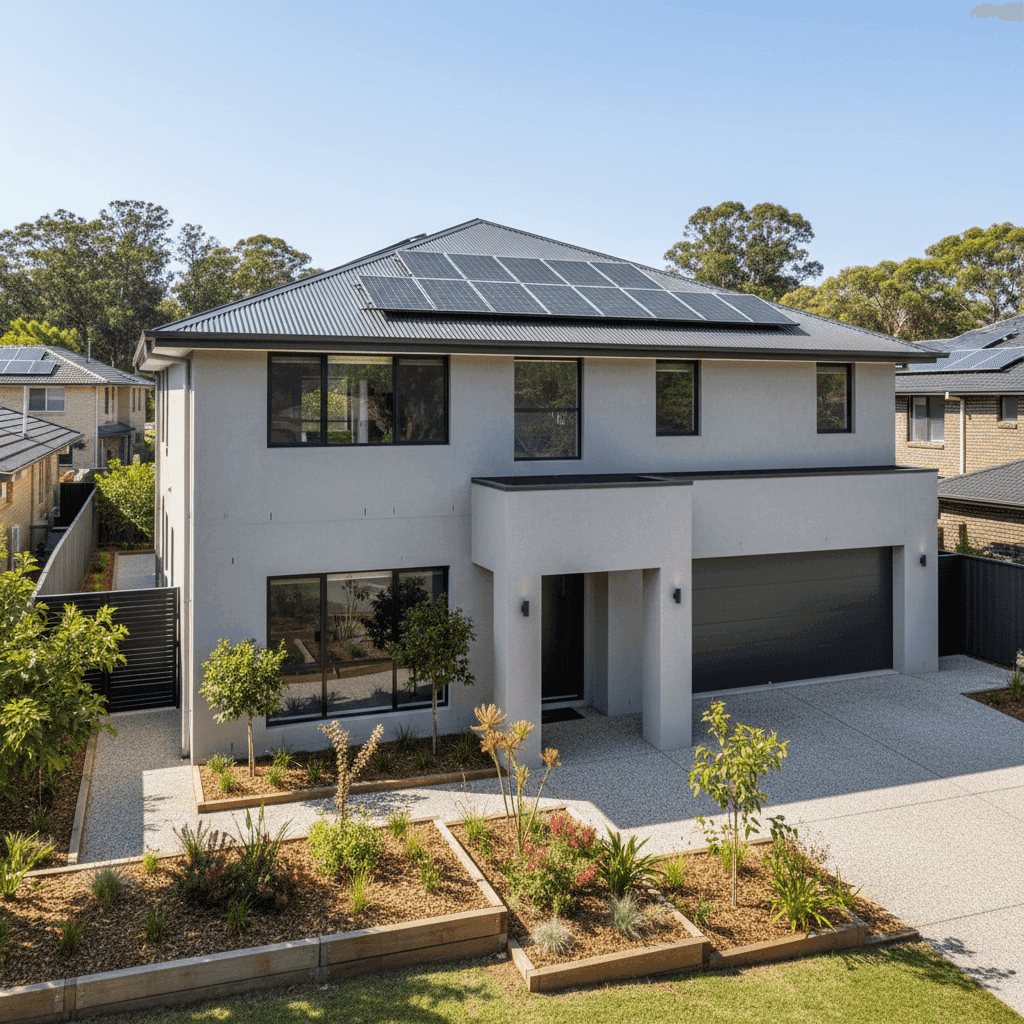
Killarney Heights is one of Sydney's most sought-after northern suburbs — a leafy, family-friendly enclave on the Northern Beaches that consistently attracts buyers looking for space, quality, and proximity to the city. If you own a free standing home here, you already know the property values are substantial. That means getting your home insurance right isn't just a formality — it's a meaningful financial decision.
This article breaks down a recent home and contents insurance quote for a five-bedroom, three-bathroom free standing home in Killarney Heights (postcode 2087), helping you understand whether the price stacks up and what factors are driving the cost.
---
Is This Quote Fair?
The quote in question comes in at $3,315 per year (or $335/month) for combined home and contents cover, with a building sum insured of $980,000 and contents valued at $158,000. The building excess is set at $3,000, and the contents excess at $1,000.
Our price rating for this quote is FAIR — Around Average.
That assessment holds up when you look at the numbers. The quote sits modestly above the suburb average of $3,073/yr and above the suburb median of $2,605/yr, but it falls comfortably within the suburb's interquartile range — between the 25th percentile ($2,172/yr) and the 75th percentile ($3,436/yr). In other words, roughly half of comparable quotes in Killarney Heights fall between those two figures, and this one lands near the upper end of that middle band without breaking out of it.
Importantly, the quote is well below the NSW state average of $3,801/yr and the NSW median of $3,410/yr. For homeowners in New South Wales — a state with significant weather and bushfire exposure in many areas — that's a meaningful saving. It's also slightly above the national average of $2,965/yr, but that comparison needs context: Killarney Heights is a premium Sydney suburb with high rebuild costs, so some premium loading is entirely expected.
The verdict? This quote is reasonable and competitive for the coverage level provided, particularly given the high building sum insured.
---
How Killarney Heights Compares
Understanding where your suburb sits in the broader insurance landscape is useful context for any homeowner. Here's a quick snapshot:
| Benchmark | Premium |
|---|---|
| This Quote | $3,315/yr |
| Killarney Heights Suburb Average | $3,073/yr |
| Killarney Heights Suburb Median | $2,605/yr |
| NSW State Average | $3,801/yr |
| NSW State Median | $3,410/yr |
| National Average | $2,965/yr |
| National Median | $2,716/yr |
| Northern Beaches LGA Average | $4,149/yr |
One figure that stands out is the Northern Beaches LGA average of $4,149/yr — significantly higher than this quote. The LGA encompasses a wide range of properties, including those in coastal and flood-prone zones that attract elevated premiums. By comparison, Killarney Heights — while still part of the Northern Beaches council area — appears to benefit from relatively lower risk exposure, keeping suburb-level averages more moderate.
You can explore more local data on the Killarney Heights insurance stats page, compare it against the NSW state overview, or see how it stacks up on the national insurance stats page.
> Note: The suburb sample size for this analysis is 12 quotes, which provides a useful directional benchmark but may not capture the full range of premiums available in the area.
---
Property Features That Affect Your Premium
Every home is different, and insurers assess a range of building characteristics when calculating your premium. Here's how the features of this particular property are likely influencing the quote:
Concrete external walls are generally viewed favourably by insurers. Concrete is highly resistant to fire, impact, and pest damage, and tends to perform well in severe weather. This construction type can contribute to lower premiums compared to timber-framed or clad homes.
Steel/Colorbond roofing is another tick in the right column. Colorbond is durable, lightweight, and widely used across Australia. It holds up well in high winds and is non-combustible, both of which are positives from a risk assessment perspective.
Slab foundation is standard for modern construction and typically presents no elevated risk for insurers. Combined with the 2017 construction year, this home benefits from being built to contemporary Australian building codes — which tend to incorporate better cyclone, fire, and structural standards than older builds.
Timber and laminate flooring is worth noting from a contents and building perspective. While aesthetically appealing, timber floors can be more vulnerable to water damage than tiles, which may be a minor factor in the premium calculation.
Solar panels are increasingly common, but they do add some complexity to home insurance. Panels represent an additional asset on your roof, and insurers will want to ensure they're included in your building sum insured. It's worth confirming with your insurer that your solar system is adequately covered under your policy.
Ducted climate control adds to the overall replacement value of the home and is a factor in the building sum insured. At $980,000, the building cover here is substantial — and appropriate for a 315 sqm home with quality fittings in a high-value Sydney suburb.
The property is not in a cyclone risk area, which removes one of the more significant premium loading factors that affects homes in Queensland and northern parts of Australia.
---
Tips for Homeowners in Killarney Heights
Whether you're reviewing an existing policy or shopping around for the first time, here are some practical steps to make sure you're getting the best value on your home insurance.
1. Review your building sum insured regularly Rebuild costs have risen sharply in recent years due to labour shortages and increased material costs. A 315 sqm home in Sydney with concrete construction and quality fittings can be expensive to rebuild. Make sure your sum insured reflects current construction rates — underinsurance is a common and costly mistake.
2. Check that your solar panels are explicitly covered Not all standard home insurance policies automatically include solar panel systems, or they may cap coverage at a low amount. Contact your insurer to confirm your panels are listed and that the coverage limit is adequate for your system's value.
3. Consider your excess levels carefully This quote carries a $3,000 building excess, which is on the higher side. A higher excess typically reduces your annual premium, but it means you'll pay more out of pocket when making a claim. Think about what you could comfortably cover in the event of a claim, and adjust accordingly.
4. Compare quotes at least annually The insurance market shifts, and loyalty doesn't always pay. Prices can vary significantly between providers for the same level of cover. Using a comparison platform at renewal time is one of the simplest ways to ensure you're not overpaying.
---
Ready to Compare?
If you're a homeowner in Killarney Heights or anywhere in NSW, it pays to see what's available before you commit to a policy. CoverClub makes it easy to compare home and contents insurance quotes side by side, so you can find cover that suits your property and your budget. Get a quote today and see how your current premium stacks up.