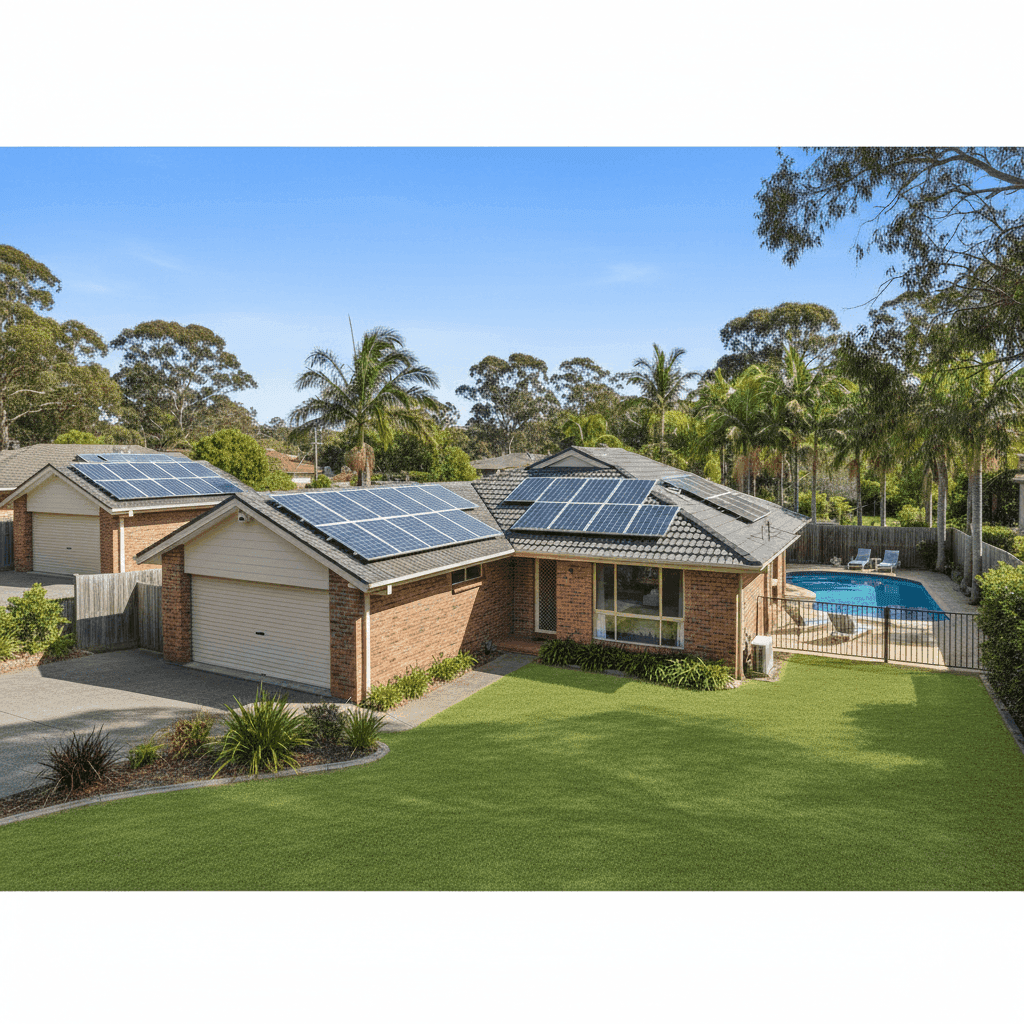
Killarney Heights is one of Sydney's most sought-after leafy suburbs, nestled on the Northern Beaches peninsula with bushland reserves, harbour views, and a strong sense of community. It's the kind of suburb where properties are substantial — and so are the costs that come with protecting them. This article breaks down a real home and contents insurance quote for a five-bedroom free standing home in Killarney Heights (NSW 2087), examining whether the premium stacks up fairly against local, state, and national benchmarks.
---
Is This Quote Fair?
The quote in question comes in at $4,852 per year (or $465/month) for combined home and contents cover, with a building sum insured of $1,659,000 and contents valued at $50,000. Both the building and contents excess are set at $1,000.
Our price rating for this quote is Expensive (Above Average) — and the data backs that up.
Against the suburb average of $3,500/yr for Killarney Heights, this quote sits roughly 39% above the mean. It also exceeds the suburb's 75th percentile of $4,265/yr, meaning it's pricier than at least three-quarters of comparable quotes in the area. That's a meaningful gap, and one worth interrogating before simply accepting the premium at face value.
That said, context matters. The building sum insured of $1,659,000 is substantial — reflecting the size and age of this property — and the inclusion of a pool, solar panels, and a granny flat all add complexity (and cost) to any policy. We'll unpack those factors shortly.
---
How Killarney Heights Compares
To understand whether this premium is genuinely out of step, it helps to zoom out and look at the broader picture.
| Benchmark | Premium |
|---|---|
| This quote | $4,852/yr |
| Killarney Heights suburb average | $3,500/yr |
| Killarney Heights suburb median | $2,965/yr |
| Killarney Heights 75th percentile | $4,265/yr |
| Northern Beaches LGA average | $3,266/yr |
| NSW average | $9,528/yr |
| NSW median | $3,770/yr |
| National average | $5,347/yr |
| National median | $2,764/yr |
(Suburb data based on a sample of 16 quotes. View full [Killarney Heights insurance stats](https://coverclub.com.au/stats/NSW/2087/killarney-heights), [NSW stats](https://coverclub.com.au/stats/NSW), or [national stats](https://coverclub.com.au/stats/national).)
A few things stand out here. First, the NSW state average of $9,528/yr is dramatically higher than this quote — but that figure is heavily skewed by high-risk regional areas and very large or high-value properties. The NSW median of $3,770/yr is a far more useful comparison point, and this quote exceeds it by about 29%.
Against the national average of $5,347/yr, this quote actually sits below — which is worth noting. Nationally, home insurance costs have been climbing steeply due to extreme weather events, inflation in building costs, and reinsurance pressures. Seen through that lens, a Killarney Heights quote under $5,000 for a large, feature-rich property isn't alarming — but there's still room to do better.
---
Property Features That Affect Your Premium
Several characteristics of this property directly influence how insurers price the risk.
Size and sum insured: At 462 sqm with five bedrooms and three bathrooms, this is a large home. The building sum insured of $1,659,000 reflects that scale — and a higher sum insured means a higher premium, almost universally. Importantly, being underinsured is a serious risk for homeowners, so it's worth ensuring this figure accurately reflects rebuilding costs rather than market value.
Construction era: Built in 1965, this home is over 60 years old. Older properties can attract higher premiums due to ageing infrastructure — plumbing, wiring, and roofing materials that may be more prone to failure. Brick veneer walls and a tiled roof are generally viewed favourably by insurers (both are durable and fire-resistant), which likely moderates the age-related loading somewhat.
Slab foundation with timber/laminate flooring: A concrete slab foundation is typically considered low-risk for subsidence and movement. Timber and laminate flooring, however, can be susceptible to water damage — a consideration for contents and building claims alike.
Swimming pool: Pools add liability exposure and increase the cost of a full rebuild, both of which push premiums upward. Many insurers will specifically ask about pool fencing compliance, so ensuring your pool meets current NSW safety standards is both a legal requirement and a potential factor in your coverage terms.
Solar panels: Solar systems are increasingly common on Australian homes, but they add to the insured value of the structure. Some insurers include them automatically under building cover; others require explicit declaration. It's worth confirming your policy explicitly covers solar panels for damage, theft, and liability.
Granny flat: A secondary dwelling on the property increases the total insured value and introduces additional risk considerations — particularly around liability and contents if the flat is tenanted. Make sure your policy covers the granny flat structure and clarify whether any occupants need their own contents insurance.
No cyclone risk: Killarney Heights is not in a cyclone-prone zone, which removes one of the more significant premium drivers seen in northern Australia.
---
Tips for Homeowners in Killarney Heights
1. Review your sum insured annually Building costs have risen sharply in recent years. The $1,659,000 sum insured on this property is significant — make sure it reflects current construction costs in Sydney's Northern Beaches, not the figure set when you first took out the policy. Underinsurance can leave you badly exposed at claim time.
2. Confirm your granny flat and solar panels are explicitly covered Don't assume these features are automatically included. Call your insurer or review your Product Disclosure Statement (PDS) to confirm the granny flat structure, solar panels, and any associated equipment are covered for their full replacement value.
3. Shop around — seriously With this quote sitting above the suburb's 75th percentile, there's a reasonable chance a comparable policy is available at a lower price. The 16-quote sample for Killarney Heights shows meaningful price variation, with the 25th percentile sitting at just $2,656/yr. Even accounting for this property's additional features, comparing multiple insurers could yield real savings.
4. Check your pool compliance NSW pool safety laws require fencing that meets specific standards. Non-compliant pools can complicate insurance claims. Ensure your pool fence is registered with your local council and meets current requirements — it's good practice for both safety and insurability.
---
Ready to Find a Better Rate?
Whether this quote is your first or your fifth, it pays to compare. CoverClub makes it easy to benchmark your home insurance against real quotes from across Australia — so you can see exactly where you stand before you commit. Get a quote now at CoverClub and find out if there's a better deal waiting for your Killarney Heights home.