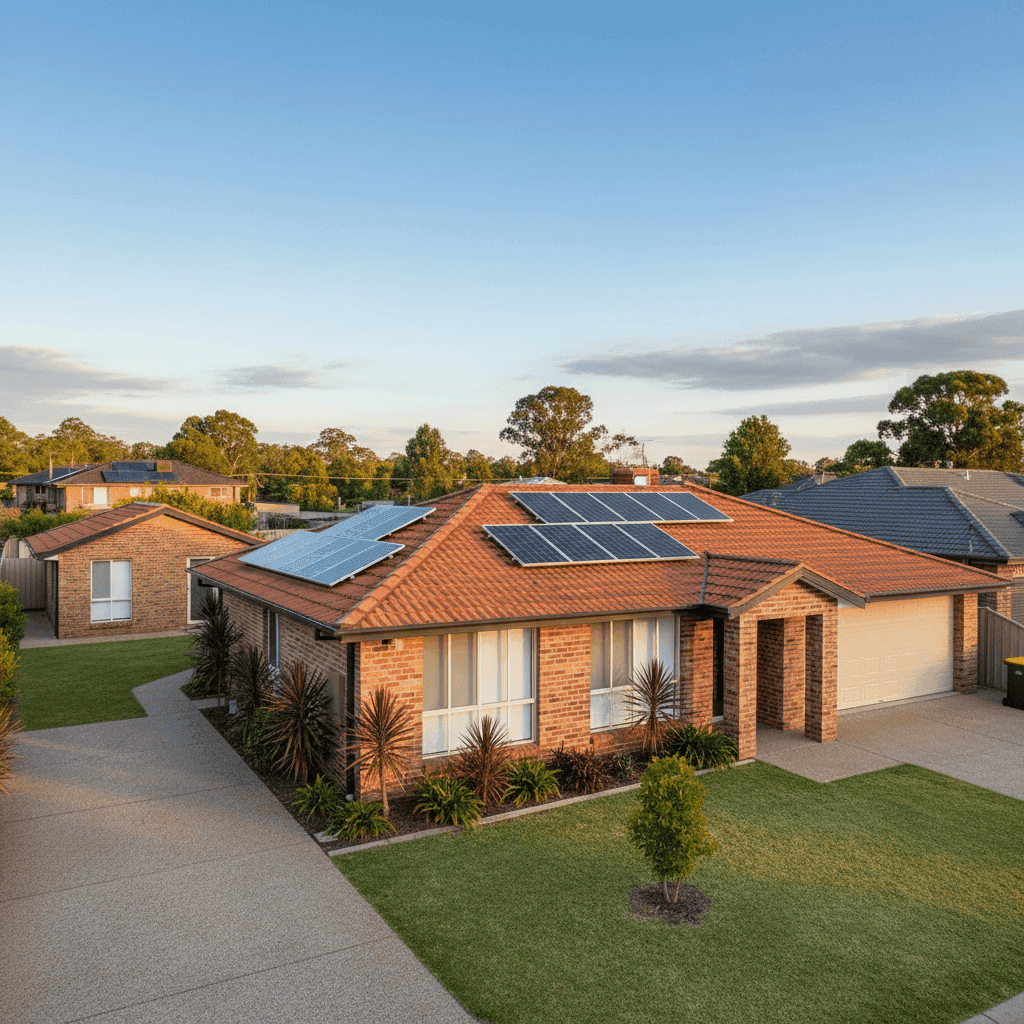
Killarney Vale is a quiet, established suburb on the Central Coast of New South Wales — popular with families and retirees alike for its proximity to Tuggerah Lake and the region's relaxed lifestyle. If you own a free standing home here, understanding what you should be paying for home and contents insurance is an important part of protecting one of your biggest assets. In this article, we break down a real insurance quote for a 3-bedroom brick veneer home in Killarney Vale (postcode 2261) and put it in context against local, state, and national benchmarks.
---
Is This Quote Fair?
The quote in question comes in at $1,467 per year (or $145/month) for combined home and contents cover, with a building sum insured of $554,000 and contents valued at $50,000. The building excess is $2,000 and the contents excess is $600.
Our price rating for this quote is FAIR — Around Average.
At first glance, $1,467 might seem like a reasonable figure, and when you dig into the suburb-level data, that impression holds up. Based on 32 quotes collected for Killarney Vale (NSW 2261), the suburb's average annual premium sits at $2,371, with a median of $1,799. This quote lands comfortably below both of those figures — in fact, it falls just above the 25th percentile of $1,276, meaning roughly three-quarters of comparable quotes in the area cost more.
So while "Fair – Around Average" is the official rating, this quote is actually performing quite well relative to what most Killarney Vale homeowners are paying. It's not the cheapest possible outcome, but it's a solid result for a property of this size and age.
---
How Killarney Vale Compares
To really appreciate this quote, it helps to zoom out and look at the broader picture.
| Benchmark | Annual Premium |
|---|---|
| This Quote | $1,467 |
| Killarney Vale Suburb Average | $2,371 |
| Killarney Vale Suburb Median | $1,799 |
| Central Coast LGA Average | $4,203 |
| NSW State Average | $3,801 |
| NSW State Median | $3,410 |
| National Average | $2,965 |
| National Median | $2,716 |
The numbers tell a compelling story. Across New South Wales, the average home insurance premium is $3,801 per year — more than double what this homeowner is paying. Even the state median of $3,410 dwarfs this quote by a significant margin.
Compared to national figures, the gap is similarly striking. The national average sits at $2,965 and the median at $2,716 — both well above this quote.
Perhaps most eye-opening is the Central Coast LGA average of $4,203 per year. This is likely influenced by a mix of higher-risk properties across the broader region, including homes in flood-prone or bushfire-adjacent areas. Killarney Vale itself appears to be a more favourably priced pocket within the LGA.
In short, this quote is tracking well below most relevant benchmarks. Homeowners in Killarney Vale who haven't reviewed their policy recently may well be overpaying.
---
Property Features That Affect Your Premium
Several characteristics of this property play a meaningful role in how insurers price the risk.
Brick Veneer Walls & Tiled Roof Brick veneer construction paired with a tiled roof is generally viewed favourably by insurers. These materials offer solid resistance to fire and are considered durable in the context of coastal NSW weather. Compared to timber-framed or clad homes, brick veneer tends to attract lower premiums.
Construction Year: 1975 A home built in 1975 is now approaching 50 years old. While this doesn't automatically mean higher premiums, insurers will factor in the age of the building when assessing wear and the likelihood of claims related to ageing infrastructure — think plumbing, wiring, and roofing. Keeping on top of maintenance is key for older homes like this one.
Stump Foundation & Timber/Laminate Flooring The stump foundation is a common feature of homes built in this era across coastal NSW. It does introduce some considerations around subfloor moisture and pest management. Timber and laminate flooring, while attractive and practical, can be more vulnerable to water damage than tiles — something worth keeping in mind when reviewing your contents and building cover.
Solar Panels This property has solar panels installed. Most standard home insurance policies do cover solar panels as part of the building, but it's worth confirming this with your insurer — particularly whether the panels are covered for accidental damage, storm damage, and electrical faults.
Granny Flat The presence of a granny flat is a notable feature. Whether it's used for family members or rented out, it's essential that your building sum insured accounts for the full replacement cost of both the main dwelling and the secondary structure. Underinsurance is a common issue for properties with additional structures, so double-check that your $554,000 building cover reflects the true rebuild cost of the entire property.
No Pool, No Ducted Climate Control, No Cyclone Risk The absence of a pool and ducted air conditioning keeps complexity (and cost) down. And unlike parts of northern Australia, Killarney Vale carries no cyclone risk designation — another factor that helps keep premiums more manageable.
---
Tips for Homeowners in Killarney Vale
1. Verify your building sum insured covers the granny flat With a secondary dwelling on the property, it's easy to underestimate the total rebuild cost. Use a professional building estimator or ask your insurer to confirm that the granny flat is explicitly included in your coverage.
2. Check your solar panel coverage Solar panels are a significant investment. Review your policy documents to confirm they're covered under the building section and understand what events are included — particularly storm damage and power surge scenarios, which are relevant on the Central Coast.
3. Don't set and forget your policy Insurance premiums and property values change over time. Given that this home was built in 1975, it's worth reassessing your sum insured annually to account for rising construction costs and any renovations or improvements you've made.
4. Compare quotes before renewal The data shows a wide spread of premiums in Killarney Vale — from $1,276 at the 25th percentile to $2,184 at the 75th percentile. That's nearly $900 of difference for comparable properties. Shopping around at renewal time could save you hundreds of dollars without sacrificing cover quality.
---
Ready to See What You Could Pay?
Whether you're a Killarney Vale local or just researching home insurance on the Central Coast, CoverClub makes it easy to compare quotes and understand what's a fair price for your property. Get a personalised home insurance quote today and see how your current premium stacks up against the market. You can also explore detailed suburb-level insurance statistics for Killarney Vale to arm yourself with the data before you shop.