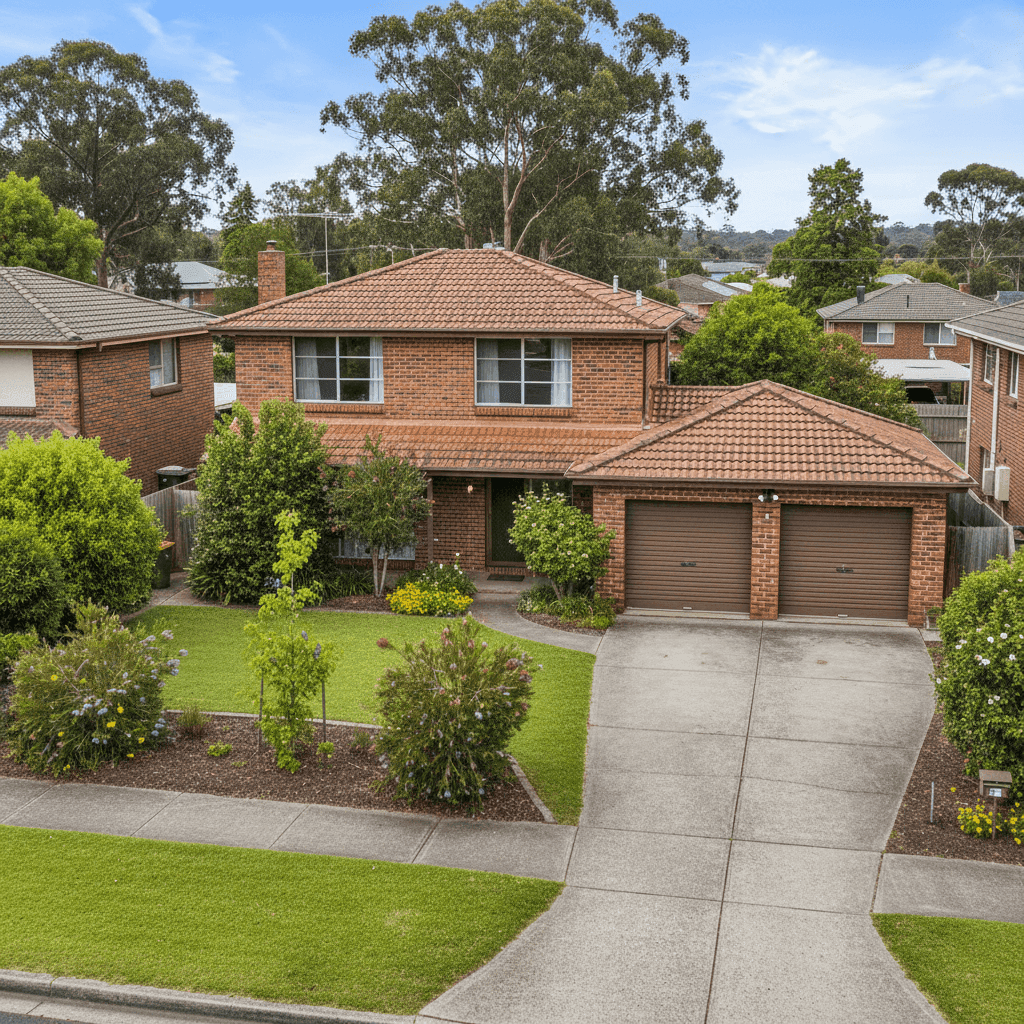
Kilsyth, nestled in Melbourne's outer east, is a well-established suburb known for its leafy streets, family-friendly atmosphere, and a mix of older and renovated homes. If you own a free standing home here — particularly one built around 1980 with brick veneer walls and a tiled roof — understanding what you should be paying for building insurance is an important part of protecting one of your most valuable assets. This article breaks down a real building-only insurance quote for a 4-bedroom, 2-bathroom home in Kilsyth and puts it into context with local, state, and national data.
---
Is This Quote Fair?
The quote in question comes in at $1,004 per year (or about $93 per month) for building-only cover on a home with a sum insured of $500,000 and a building excess of $3,000.
Our price rating for this quote is FAIR — Around Average, and the numbers back that up. Compared to the suburb average of $1,448/yr for Kilsyth, this quote sits comfortably below the mean, which is a positive sign. It also falls below the suburb median of $1,462/yr, meaning it's cheaper than what more than half of comparable quotes in the area are coming in at.
That said, it's worth noting that the suburb's 25th percentile sits at $848/yr, which means roughly a quarter of quotes in Kilsyth are cheaper still. So while this isn't the lowest price available in the area, it's far from the most expensive — and well within a reasonable range for the property type and coverage level.
The $3,000 building excess is on the higher side, which is one of the key levers that can bring a premium down. If you'd prefer a lower excess, expect the annual premium to rise accordingly.
---
How Kilsyth Compares
One of the most striking takeaways from this data is just how affordable Kilsyth is relative to broader benchmarks.
| Benchmark | Average Premium |
|---|---|
| Kilsyth (suburb average) | $1,448/yr |
| Kilsyth (suburb median) | $1,462/yr |
| Maroondah LGA average | $2,133/yr |
| Victoria average | $3,000/yr |
| Victoria median | $2,718/yr |
| National average | $5,347/yr |
| National median | $2,764/yr |
Kilsyth homeowners are paying significantly less than the Victorian state average of $3,000/yr and a fraction of the national average of $5,347/yr. Even within the Maroondah LGA, Kilsyth's suburb average of $1,448/yr is well below the LGA-wide figure of $2,133/yr.
The national average is heavily influenced by high-risk regions — particularly in Queensland and Western Australia — where cyclone, flood, and storm risk can push premiums into the thousands. Kilsyth, fortunately, doesn't sit in a cyclone risk zone, which is one reason local premiums remain comparatively modest.
You can explore the full breakdown of local insurance data on the Kilsyth suburb stats page.
---
Property Features That Affect Your Premium
Several characteristics of this particular home play a meaningful role in how insurers price the risk.
Brick Veneer Construction Brick veneer is one of the most common wall materials in Australian suburban homes built from the 1960s through to the 1990s. Insurers generally view it favourably — it offers solid fire resistance and structural durability compared to weatherboard or cladding. This likely contributes to a more competitive premium.
Tiled Roof A tiled roof is considered a lower-risk roofing material compared to corrugated iron or older materials like asbestos cement sheeting. Tiles are durable and widely accepted by insurers, though they can be more susceptible to cracking from hail impacts, which is worth keeping in mind when reviewing your policy's storm cover.
Stump Foundation The home sits on stumps, which is common for properties of this era in Victoria. While stump foundations can be associated with some movement and maintenance over time, they don't typically attract a significant premium loading on their own. Homeowners should be aware that gradual damage caused by deteriorating stumps is generally excluded from standard policies — it's considered a maintenance issue rather than an insurable event.
Timber and Laminate Flooring The flooring type is relevant mainly for contents insurance, but for building cover it signals the kind of internal finishes an insurer may need to factor into reinstatement costs. Standard fittings quality — as noted for this property — keeps the sum insured calculation straightforward.
Ducted Climate Control The presence of ducted heating and cooling is a noteworthy inclusion. These systems add real value to a home and are typically covered under building insurance. It's worth confirming with your insurer that your ducted system is explicitly included in the sum insured, as some policies treat it differently depending on whether it's considered a fixture.
Construction Year: 1980 A home built in 1980 is now over 40 years old. While it's likely been updated over the decades, older homes can carry higher reinstatement costs due to the need to meet current building codes during any rebuild. This is one reason why getting your sum insured right — rather than simply insuring for the market value of the land and home — is so important.
---
Tips for Homeowners in Kilsyth
1. Review your sum insured regularly Building costs have risen significantly in recent years. A $500,000 sum insured may have been appropriate when the policy was first taken out, but construction costs per square metre have climbed sharply post-pandemic. Use a building cost calculator or speak to a quantity surveyor to make sure you're not underinsured.
2. Understand what your excess means in practice A $3,000 building excess means you'll pay the first $3,000 of any claim out of pocket. For smaller incidents — a broken window, minor storm damage — you may find it's not worth claiming at all. If you'd prefer more day-to-day coverage, consider requesting quotes with a lower excess and comparing the premium difference.
3. Check for flood and storm cover While Kilsyth isn't a high-risk flood zone, parts of Melbourne's east can experience flash flooding and storm damage, particularly during summer. Make sure your policy clearly covers storm and rainwater damage — and understand the distinction between storm-related flooding and riverine flooding, as some policies treat these differently.
4. Don't set and forget Insurance is one of those things that's easy to renew automatically without shopping around. Even if your current premium seems reasonable, comparing quotes at renewal time can reveal meaningful savings — or better coverage at a similar price. CoverClub makes it easy to see what's available in your area before you commit.
---
Compare Quotes and Save
Whether you're renewing your current policy or taking out cover for the first time, it pays to know what others in Kilsyth are paying. CoverClub aggregates real quote data so you can benchmark your premium against your neighbours and make a genuinely informed decision. Get a quote today at CoverClub and see how your home insurance stacks up.