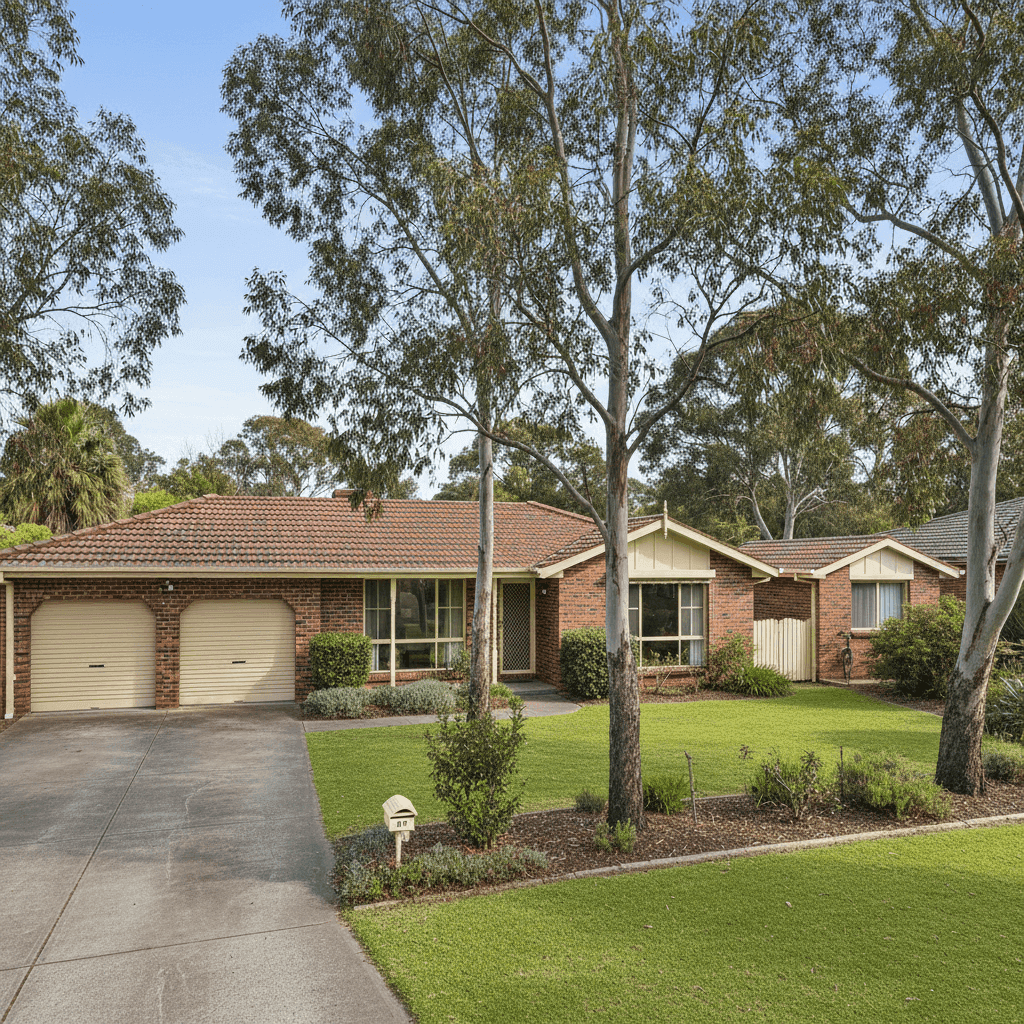
Kilsyth, nestled in Melbourne's leafy Yarra Ranges foothills, is a well-established suburb where brick veneer homes from the 1980s and 1990s make up much of the residential landscape. If you own a free standing home here and you're wondering whether your home insurance premium is competitive, this analysis breaks down a real quote — and what it means for homeowners in the area.
---
Is This Quote Fair?
The short answer: yes — very much so. The quote in focus comes in at $823 per year (or $77 per month) for combined home and contents cover, with a building sum insured of $400,000 and contents valued at $50,000. Our pricing model rates this as Cheap (Below Average) — meaning it sits well below what most Kilsyth homeowners are paying for comparable cover.
To put that in perspective, the suburb average premium for Kilsyth sits at $2,537 per year, with a median of $2,528. This quote is paying roughly 67% less than the average for the area — a substantial saving of over $1,700 annually. Even compared to the cheapest quarter of quotes in the suburb (the 25th percentile at $1,662/yr), this premium is still significantly lower.
For a property with a granny flat, ducted climate control, and a tiled roof on stumps — features that can nudge premiums upward — landing a quote at this price point is genuinely impressive. It's worth noting that the building excess is set at $3,000 and the contents excess at $1,000, which are on the higher side and do contribute to reducing the annual premium. Higher excesses mean you're taking on more out-of-pocket risk in the event of a claim, so it's important to weigh that trade-off carefully.
---
How Kilsyth Compares
Zooming out beyond the suburb level, this quote looks even more favourable. Here's how Kilsyth stacks up against broader benchmarks:
| Benchmark | Average Premium |
|---|---|
| This Quote | $823/yr |
| Kilsyth (suburb average) | $2,537/yr |
| Kilsyth (suburb median) | $2,528/yr |
| Maroondah LGA average | $1,930/yr |
| Victoria average | $2,921/yr |
| National average | $2,965/yr |
Kilsyth's suburb average of $2,537 is actually below both the Victorian state average of $2,921 and the national average of $2,965 — suggesting the area carries a relatively moderate risk profile compared to many parts of Australia. The Maroondah LGA average of $1,930 is lower still, which reflects the mix of property types and risk factors across the broader council area.
You can explore more detailed pricing data for the postcode on the Kilsyth suburb stats page, compare how Victoria sits against other states on the VIC insurance stats page, or take a broader view with national home insurance benchmarks.
---
Property Features That Affect Your Premium
Several characteristics of this property influence what insurers charge. Understanding them helps you see why premiums vary — and where you might have room to negotiate.
Brick Veneer Construction
Brick veneer is one of the most common wall types in Australian suburban homes and is generally viewed favourably by insurers. It offers solid fire resistance and structural durability, which typically translates to lower rebuild costs compared to weatherboard or other timber-framed cladding.
Tiled Roof
Terracotta or concrete tile roofs are considered a lower-risk roofing material. They're durable, fire-resistant, and long-lasting — all factors that work in your favour at premium time. Compared to Colorbond or corrugated iron, tiles tend to attract slightly higher replacement costs but are well-regarded for longevity.
Stump Foundation
Homes on stumps (also known as pier-and-beam foundations) are common in Victoria, particularly in properties built before the 1990s. While stumps can be susceptible to subsidence or termite damage over time, they're a known quantity for insurers and don't typically attract significant loading — provided the stumps are in good condition.
Granny Flat
The presence of a granny flat on the property adds complexity to an insurance policy. It increases the overall insurable value of the property and may require specific coverage consideration. Some insurers include it under the main building policy; others may require a separate endorsement. It's worth confirming with your insurer exactly what's covered.
Ducted Climate Control
Ducted heating and cooling systems are a common feature in Melbourne homes and can add meaningful value to a building's contents and fixtures. This is already factored into the sum insured, but it's a good reminder to periodically review whether your building sum insured keeps pace with replacement costs — particularly as HVAC systems become more sophisticated and expensive to replace.
No Pool, No Solar
The absence of a swimming pool and solar panels simplifies the risk profile. Pools introduce liability considerations and maintenance costs, while solar panel arrays can complicate roof claims. Neither being present here is a modest positive from an underwriting perspective.
---
Tips for Homeowners in Kilsyth
Whether you're reviewing your existing policy or shopping for a new one, here are four practical tips tailored to Kilsyth homeowners:
- Review your building sum insured annually. Construction costs have risen sharply in recent years across Victoria. A sum insured of $400,000 for a 130 sqm brick veneer home may be appropriate today, but it's worth checking against current rebuild cost estimates — especially if you've done any renovations or additions like the granny flat.
- Understand your excess trade-off. This quote carries a $3,000 building excess and $1,000 contents excess. While these help keep the premium low, make sure you can comfortably cover that amount out of pocket if you need to make a claim. If cash flow is a concern, consider whether a lower excess (and slightly higher premium) makes more sense for your situation.
- Confirm granny flat coverage explicitly. Don't assume your granny flat is automatically covered under your main home policy. Ask your insurer directly — and get it in writing — that the secondary dwelling is included in your building sum insured and covered for the same events as the main residence.
- Compare quotes at renewal time. Even if you're happy with your current premium, the home insurance market is competitive. Prices can shift significantly between insurers, and loyalty doesn't always pay. Running a fresh comparison each year takes minutes and could save you hundreds.
---
Ready to Compare Home Insurance in Kilsyth?
Whether this quote reflects your own situation or you're simply curious what the market looks like, CoverClub makes it easy to see real, comparable prices for your specific property. Get a home insurance quote today and find out if you're paying a fair price — or if there's a better deal waiting for you.