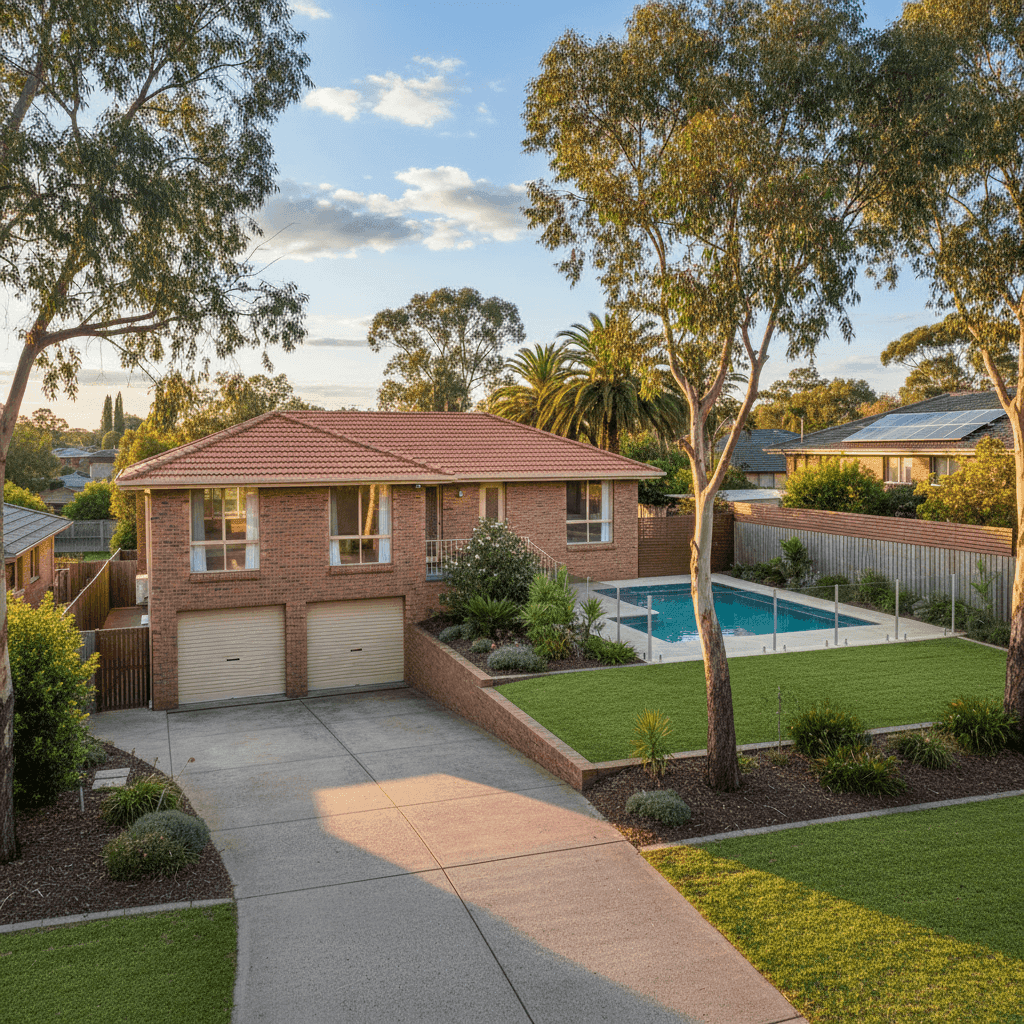
Kilsyth, nestled in Melbourne's leafy outer-east, is a well-established suburb known for its quiet streets, family homes, and proximity to the Dandenong Ranges. If you own a free standing home here, you're likely paying close attention to rising insurance costs — and for good reason. This article breaks down a real home and contents insurance quote for a four-bedroom brick veneer home in Kilsyth (VIC 3137), compares it against local, state, and national benchmarks, and offers practical advice to help you get the best value cover.
---
Is This Quote Fair?
The quote in question comes in at $2,483 per year (or $238/month) for a combined home and contents policy, covering a building sum insured of $800,000 and contents valued at $197,000, each with a $1,000 excess.
Our price rating for this quote is Expensive — above average for the Kilsyth area.
To put that in context: the suburb average premium sits at just $1,448/yr, and the median is $1,462/yr. That means this quote is running roughly 71% above the local average — a significant gap that warrants a closer look. Even at the 75th percentile for Kilsyth (meaning only 25% of quotes are more expensive), the benchmark is $1,855/yr — still well below this quote.
That said, it's important to consider what's being insured. An $800,000 building sum insured is on the higher end, and the contents cover of $197,000 adds meaningful weight to the premium. The property also has a number of features — including a swimming pool, elevated foundations, and ducted climate control — that can push premiums upward. We'll unpack those shortly.
---
How Kilsyth Compares
Understanding where your suburb sits relative to broader benchmarks is key to assessing value. Here's how Kilsyth stacks up:
| Benchmark | Average Premium | Median Premium |
|---|---|---|
| Kilsyth (3137) | $1,448/yr | $1,462/yr |
| LGA (Maroondah) | $2,133/yr | — |
| Victoria | $3,000/yr | $2,718/yr |
| National | $5,347/yr | $2,764/yr |
(Based on a sample of 30 quotes in the Kilsyth suburb. [View full Kilsyth suburb stats](https://coverclub.com.au/stats/VIC/3137/kilsyth) | [VIC state stats](https://coverclub.com.au/stats/VIC) | [National stats](https://coverclub.com.au/stats/national))
A few things stand out here. First, Kilsyth's average premium of $1,448 is well below both the Victorian average ($3,000) and the national average ($5,347) — suggesting it's a relatively affordable suburb to insure in the broader scheme of things. Coastal and cyclone-prone regions in Queensland and Western Australia are major contributors to those elevated national figures.
Second, the LGA average for Maroondah ($2,133) is notably higher than the Kilsyth suburb average, which could reflect variation in property types and sum insured levels across the broader council area.
For this particular quote, the $2,483 premium sits above the Maroondah LGA average but below the Victorian state average — which suggests it's not wildly out of step with the region, but there is likely room to find a more competitive price for this property profile.
---
Property Features That Affect Your Premium
Several characteristics of this property have a direct bearing on what insurers charge. Here's what matters most:
Brick Veneer Walls & Tiled Roof Brick veneer construction with a tiled roof is one of the most common combinations in suburban Melbourne, and insurers generally view it favourably. Brick offers solid fire resistance and structural durability, while tiles are considered a lower-risk roofing material compared to timber shingles or older iron. These features typically work in your favour when it comes to pricing.
Elevated on Stumps This home sits elevated by at least one metre on stump foundations — a construction style that was common in the post-war era and remains prevalent in Melbourne's east. While stumps can be a flag for potential subsidence or pest-related issues (depending on stump material), the elevation itself can actually reduce flood risk by keeping the floor level above ground water. Insurers will assess the stump condition and foundation risk as part of their underwriting.
Swimming Pool A pool increases liability exposure and adds to the replacement cost of the property, both of which contribute to a higher premium. Pools also require specific maintenance and safety compliance (such as fencing regulations under Victorian law), and insurers factor in the cost of repair or reinstatement following an insured event.
Ducted Climate Control Ducted heating and cooling systems are a significant fixed asset within the home. Their inclusion in the building sum insured — and potential contents overlap — adds to the overall replacement cost that insurers must account for.
Timber & Laminate Flooring Timber and laminate floors are more susceptible to water damage than tiles, which can influence how claims are assessed and may marginally affect premiums depending on the insurer's underwriting criteria.
1990 Build A home built in 1990 is now over 35 years old. While it's not considered heritage or high-risk by age alone, older homes may have ageing electrical wiring, plumbing, or roofing materials that some insurers treat with greater caution. Ensuring your building sum insured accurately reflects current rebuild costs — not just market value — is especially important for homes of this era.
---
Tips for Homeowners in Kilsyth
1. Review your building sum insured carefully At $800,000, the building sum insured here is substantial. Make sure this figure reflects the actual cost to rebuild your home from scratch — including demolition, professional fees, and materials — rather than its market sale price. Overinsuring can unnecessarily inflate your premium, while underinsuring leaves you exposed. Tools like the Cordell Sum Sure calculator can help you estimate a realistic rebuild cost.
2. Shop around — seriously With a quote sitting above the Kilsyth suburb average and the LGA average, this is a strong signal to compare quotes from multiple insurers. Premiums for the same property can vary by hundreds of dollars across providers, and the differences aren't always tied to the level of cover offered.
3. Consider increasing your excess Both the building and contents excess are set at $1,000. Opting for a higher voluntary excess — say $1,500 or $2,000 — can meaningfully reduce your annual premium. Just make sure the excess level is one you could comfortably cover if you needed to make a claim.
4. Ask about discounts for security and safety features If your home has a monitored alarm system, deadbolts, or other security upgrades, let your insurer know. Many providers offer premium discounts for homes with these features. Similarly, ensuring your pool fencing meets current Victorian standards may positively influence your insurer's risk assessment.
---
Ready to Find a Better Deal?
Whether you're renewing your policy or shopping around for the first time, comparing quotes is the single most effective way to ensure you're not overpaying. CoverClub makes it easy to see what different insurers would charge for your specific property — no guesswork, no jargon. Get a home insurance quote today and see how much you could save.