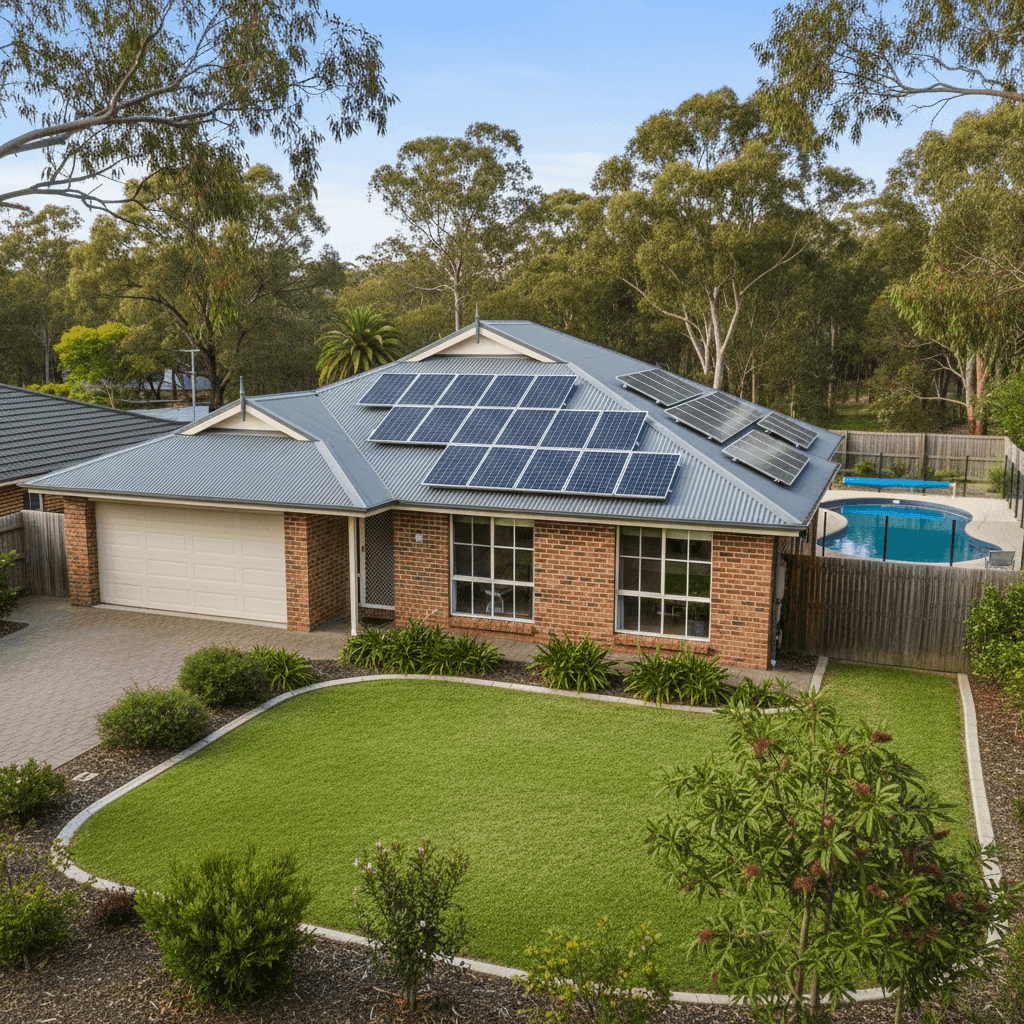
Kincumber is a leafy, well-established suburb on the Central Coast of New South Wales — popular with families drawn to its relaxed lifestyle, proximity to Kincumber Broadwater, and relatively accessible property prices compared to Sydney. For owners of free standing homes in the area, understanding what drives home insurance costs is just as important as finding the right cover. This article breaks down a real home and contents insurance quote for a four-bedroom, two-bathroom brick veneer home in Kincumber (postcode 2251), and puts it into context against local, state, and national benchmarks.
---
Is This Quote Fair?
The quote in question comes in at $1,919 per year (or $194/month) for combined home and contents cover, with a building sum insured of $500,000 and contents valued at $65,000. Both the building and contents excess are set at $5,000.
Our price rating for this quote is FAIR — Around Average, which is an encouraging result for the homeowner. Here's why: when we compare this premium against the 36 quotes sampled for the Kincumber area, it sits comfortably below both the suburb average ($2,669/yr) and the suburb median ($2,054/yr). In fact, it falls closer to the 25th percentile of local quotes ($1,482/yr) than to the median — meaning this homeowner is paying less than the majority of comparable properties in the postcode.
That said, "fair" doesn't necessarily mean "the best available." There's always room to explore whether a lower premium is achievable without sacrificing meaningful cover. The higher-than-typical excess ($5,000 for both building and contents) is likely contributing to the relatively competitive premium — a trade-off worth understanding before locking in a policy.
---
How Kincumber Compares
To put this quote in broader perspective, here's how Kincumber's insurance market stacks up against NSW state averages and national benchmarks:
| Benchmark | Average Premium | Median Premium |
|---|---|---|
| Kincumber (2251) | $2,669/yr | $2,054/yr |
| NSW State | $3,801/yr | $3,410/yr |
| National | $2,965/yr | $2,716/yr |
| Central Coast LGA | $4,203/yr | — |
A few things stand out here. First, Kincumber's suburb median of $2,054/yr is notably lower than both the NSW median ($3,410/yr) and the national median ($2,716/yr) — suggesting the area benefits from relatively moderate risk factors compared to many other parts of the state. Second, the Central Coast LGA average of $4,203/yr is significantly higher than Kincumber's suburb average, which implies that other parts of the LGA carry considerably more risk (or attract higher-value properties), pulling the LGA figure upward.
For this particular quote at $1,919/yr, the homeowner is paying well below every benchmark listed above — a solid outcome. You can explore more localised data on the Kincumber suburb stats page or compare it against the full national picture.
---
Property Features That Affect Your Premium
Every home is different, and insurers weigh up a range of property characteristics when calculating premiums. Here's how the features of this particular Kincumber home are likely influencing the quote:
Brick Veneer Walls Brick veneer is one of the more common construction types in Australian suburban homes built from the 1970s through to the early 2000s. It's generally viewed favourably by insurers — more fire-resistant than timber weatherboard, and reasonably durable. This construction type typically attracts moderate premiums rather than the higher rates associated with less robust materials.
Steel/Colorbond Roof A Colorbond roof is a real asset when it comes to insurance. It's highly durable, resistant to fire, and performs well in high-wind events. Compared to terracotta or concrete tiles (which can crack or break), Colorbond roofing is associated with lower claim frequency — a factor that can work in the homeowner's favour at renewal time.
Stump Foundation Homes built on stumps — common in older NSW construction, particularly those built around 1985 — can be more susceptible to movement, moisture ingress, and pest damage over time. Insurers may factor this in, particularly if the stumps are original timber rather than steel or concrete replacements. It's worth ensuring the policy adequately covers any sub-floor structures.
Timber/Laminate Flooring Timber and laminate floors can be costly to repair or replace following water damage or fire, and this is often reflected in contents and building valuations. Ensuring the $500,000 building sum insured accounts for full replacement — including floor coverings — is important.
Swimming Pool A pool adds liability exposure and increases the overall replacement cost of the property. Most insurers will factor pool infrastructure into the building sum insured, so it's worth confirming the $500,000 figure adequately covers the pool, fencing, and associated equipment.
Solar Panels Solar panels are increasingly common on Australian rooftops, but they're not always automatically included in standard building cover. Homeowners should verify whether their policy explicitly covers panel damage, inverter failure caused by an insured event, and any liability arising from panel-related issues.
---
Tips for Homeowners in Kincumber
1. Review your sum insured regularly Building costs in NSW have risen substantially in recent years. A sum insured set several years ago may no longer reflect the true cost of rebuilding your home from scratch. Use an independent building cost calculator or speak with a quantity surveyor to make sure $500,000 is still adequate — especially with a pool and solar system to account for.
2. Understand the impact of your excess A $5,000 excess is on the higher end of the spectrum. While it contributes to a lower annual premium, it means you'd need to absorb a significant out-of-pocket cost before your insurer steps in. Consider whether this level of self-insurance aligns with your financial comfort zone, particularly for contents claims which tend to be smaller in value.
3. Confirm your solar panels are covered Ask your insurer directly: are the solar panels covered under the building section? What events are included — storm, hail, fire? Is the inverter covered? Getting clarity on this now avoids nasty surprises at claim time.
4. Shop around at renewal Insurance loyalty rarely pays. Even with a competitive quote like this one, it's worth comparing alternatives each year. Premiums can shift significantly between providers for the same level of cover. Get a fresh quote at CoverClub to see what else is available in your area.
---
Ready to Compare?
Whether you're happy with your current premium or suspect you could be paying less, it pays to know your options. CoverClub makes it easy to compare home and contents insurance quotes tailored to your property in Kincumber and across NSW. Start your comparison today — it only takes a few minutes and could save you hundreds each year.