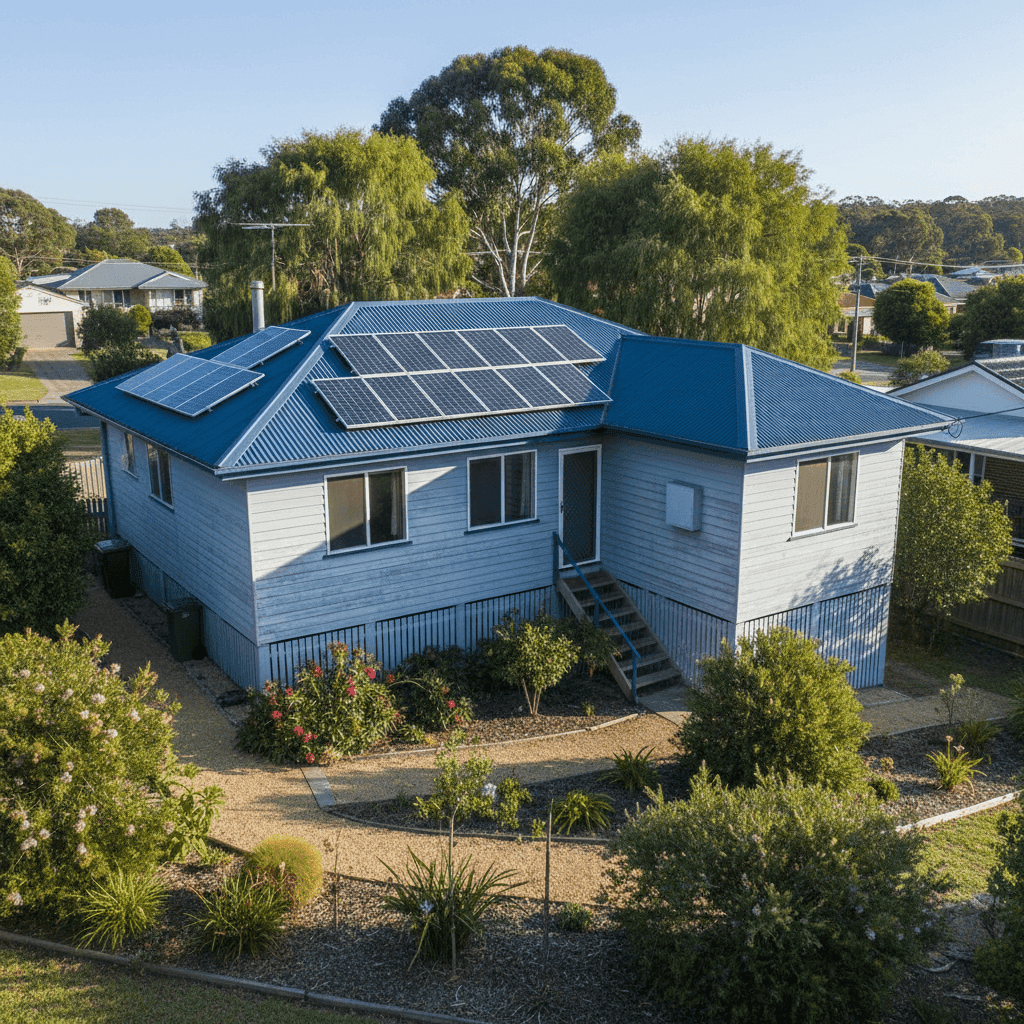
Kincumber is a relaxed, leafy suburb on the Central Coast of New South Wales — popular with families and sea-changers alike. But if you own a free standing home here, you've probably noticed that home insurance isn't always cheap. This article breaks down a real home and contents insurance quote for a four-bedroom, two-bathroom property in Kincumber (postcode 2251), and puts the numbers in context so you can judge whether you're getting a fair deal.
---
Is This Quote Fair?
The quote in question comes in at $3,779 per year (or $362/month) for combined home and contents cover, with a building sum insured of $600,000 and contents valued at $100,000. The building excess sits at $5,000 and the contents excess at $2,000.
Our price rating for this quote is Expensive — above average for the Kincumber area.
To understand why, it helps to look at what other homeowners in the same suburb are paying. Based on 101 quotes collected for Kincumber (NSW 2251), the suburb average premium is $3,036/year and the median sits at $2,691/year. This quote lands above the 75th percentile threshold of $3,659 — meaning it's pricier than at least three-quarters of comparable quotes in the area.
That said, context matters. The property has some characteristics that legitimately push premiums higher, which we'll explore in the sections below.
---
How Kincumber Compares
One of the most useful ways to assess any insurance quote is to zoom out and look at the broader picture.
| Benchmark | Average Premium | Median Premium |
|---|---|---|
| Kincumber (NSW 2251) | $3,036/yr | $2,691/yr |
| New South Wales | $9,528/yr | $3,770/yr |
| National (Australia) | $5,347/yr | $2,764/yr |
| LGA: Central Coast (NSW) | $8,387/yr | — |
A few things stand out here. New South Wales as a whole has an extremely high average premium of $9,528/year — heavily skewed by flood-prone and high-risk areas across the state. The median of $3,770/year is a more realistic benchmark for typical NSW homeowners, and this quote sits just slightly below that figure.
Compared to national averages, the picture is similar. The national average of $5,347/year is dragged upward by high-risk regions in Queensland and Northern Australia, while the national median of $2,764/year reflects what most Australians actually pay.
The Central Coast LGA average of $8,387/year may seem alarming, but again, averages can be distorted by a small number of very high-risk or high-value properties. For a standard residential home in Kincumber, the suburb-level data is the most relevant comparison point — and on that measure, this quote is on the higher end.
---
Property Features That Affect Your Premium
Several characteristics of this particular property help explain why the premium sits above the suburb average.
Weatherboard Timber Construction
Weatherboard wood external walls are one of the most significant premium drivers for Australian homes. Timber is more susceptible to fire, rot, and pest damage than brick veneer or double brick, and insurers price this risk accordingly. Older weatherboard homes also tend to cost more to repair or replace on a like-for-like basis.
Age of the Property (Built 1975)
At roughly 50 years old, this home falls into a category that many insurers treat with caution. Older properties may have ageing electrical wiring, plumbing, and structural elements that increase the likelihood of a claim. Some insurers apply age-related loadings, particularly for homes built before 1980.
Stump Foundation
Homes on stumps (also known as post or pier foundations) are common in coastal and hilly areas of NSW, but they do carry unique risks — including subsidence, termite access, and structural movement over time. This foundation type can contribute to a higher premium compared to slab-on-ground construction.
Timber and Laminate Flooring
While not as impactful as wall construction, timber and laminate floors can be costly to repair or replace after water damage events, which is a relevant risk in a coastal suburb like Kincumber.
Solar Panels
This property has solar panels installed, which adds to the replacement value of the building and is reflected in the sum insured. Most insurers now include solar panels under building cover, but the additional asset value does contribute to the overall premium.
Ducted Climate Control
Ducted air conditioning systems are expensive to repair or replace, and their inclusion typically increases the building sum insured — another factor that can push premiums upward.
Sum Insured: $600,000
The building sum insured of $600,000 is substantial. For a 139 sqm weatherboard home, this reflects the true cost of rebuilding — including demolition, materials, and labour — rather than the market value of the property. Getting this figure right is critical: underinsuring can leave you out of pocket after a major claim.
---
Tips for Homeowners in Kincumber
If you're looking to manage your home insurance costs without compromising on protection, here are some practical steps worth considering.
1. Compare quotes from multiple insurers Premiums for the same property can vary by hundreds — sometimes thousands — of dollars between insurers. Using a comparison platform like CoverClub lets you see a range of quotes side by side, so you're not leaving money on the table.
2. Review your sum insured carefully It's worth getting a professional building replacement cost estimate to make sure your sum insured is accurate. Overinsuring wastes money; underinsuring can be financially devastating after a total loss. A quantity surveyor or online calculator can help you arrive at a defensible figure.
3. Consider a higher excess to reduce your premium This quote already carries a $5,000 building excess, which is on the higher end. If you're comfortable self-insuring smaller claims, maintaining a higher excess in exchange for a lower premium can be a smart trade-off — just make sure you have the savings to cover it if needed.
4. Maintain your property proactively Insurers reward well-maintained homes. Keeping your stumps inspected for termite activity, maintaining your roof and gutters, and ensuring your electrical systems are up to date can reduce your risk profile — and may help when negotiating or renewing your policy.
---
Ready to Compare?
Whether this quote looks right for your situation or you suspect you're paying too much, the best way to find out is to compare. At CoverClub, you can enter your property details and see how quotes stack up across a range of insurers — all in one place. It takes just a few minutes and could save you hundreds of dollars a year.
Explore more Kincumber home insurance data or browse NSW-wide premium statistics to see how your suburb compares.