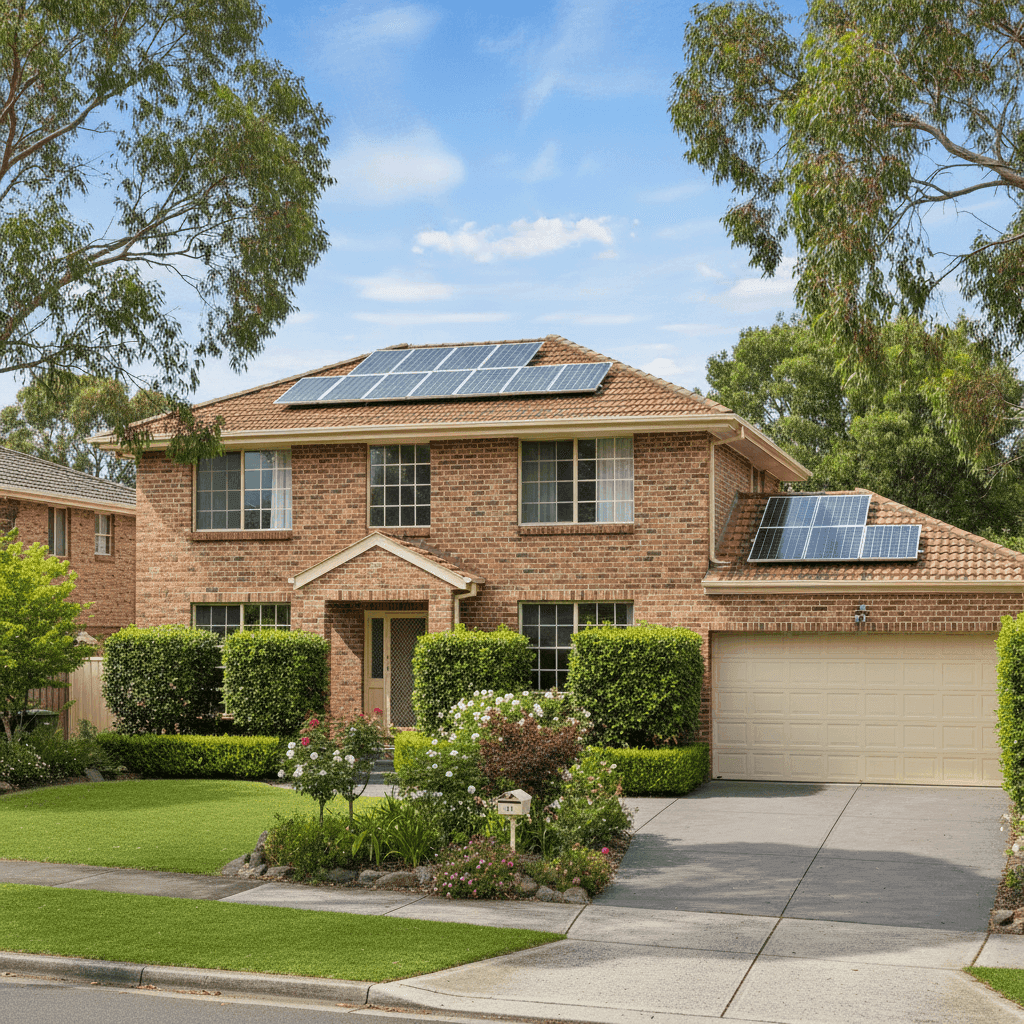
Kingsgrove is a well-established suburb in Sydney's inner south-west, known for its leafy streets, solid post-war housing stock, and strong community feel. For owners of free standing homes in the area, understanding what drives home insurance costs — and whether a quoted premium represents good value — can make a real difference to the household budget. In this article, we break down a real home and contents insurance quote for a 3-bedroom, double brick home in Kingsgrove (NSW 2208) and benchmark it against suburb, state, and national data.
---
Is This Quote Fair?
The short answer: yes — and then some. This quote came in at $1,186 per year (or roughly $117 per month), covering both building ($668,000 sum insured) and contents ($100,000). Our price rating for this quote is CHEAP, meaning it sits well below the average for the area.
To put that in perspective, the suburb average premium in Kingsgrove sits at $2,658 per year, and the median is $2,384 per year. Even the 25th percentile — meaning the cheapest quarter of quotes we've seen for this suburb — comes in at $1,522 per year. This quote undercuts even that benchmark, making it an exceptionally competitive result for a property of this size and specification.
It's worth noting the excess structure: the building excess is $3,000 and the contents excess is $1,000. A higher excess is one of the most common levers insurers use to reduce premiums, so homeowners should weigh up whether the lower annual cost justifies the out-of-pocket expense in the event of a claim. For those who are claims-conscious or have older homes where maintenance issues could arise, this is an important consideration.
---
How Kingsgrove Compares
Zooming out beyond the suburb level tells an equally interesting story. You can explore the full Kingsgrove insurance statistics here.
| Benchmark | Annual Premium |
|---|---|
| This quote | $1,186 |
| Kingsgrove 25th percentile | $1,522 |
| Kingsgrove median | $2,384 |
| Kingsgrove average | $2,658 |
| Kingsgrove 75th percentile | $3,456 |
| LGA (Bayside, NSW) average | $2,675 |
| NSW state average | $3,801 |
| NSW state median | $3,410 |
| National average | $2,965 |
| National median | $2,716 |
What stands out here is just how far above Kingsgrove's local averages the NSW state figures sit. The state average of $3,801 is more than 43% higher than the suburb average — a reminder that Sydney's inner suburbs often enjoy more favourable risk profiles than regional or coastal NSW areas prone to flooding, bushfire, or cyclone exposure.
The national average of $2,965 also exceeds Kingsgrove's local benchmark, suggesting that on a like-for-like basis, insuring a home in this part of Sydney is relatively affordable compared to many other parts of the country. Our sample for Kingsgrove is based on 25 quotes, which provides a solid indication of local pricing trends.
---
Property Features That Affect Your Premium
Several characteristics of this particular property are likely contributing to its competitive premium. Here's how the key features stack up from an insurer's perspective:
Double Brick Construction Double brick is widely regarded as one of the most resilient building materials for Australian homes. It offers excellent resistance to fire, strong structural integrity, and good thermal performance. Insurers generally view double brick favourably, as it tends to withstand weather events and everyday wear better than lighter construction types like weatherboard or fibre cement.
Tiled Roof Terracotta or concrete tile roofs are a staple on homes of this era and are generally considered durable and low-maintenance. They perform well in moderate weather conditions and are less susceptible to storm damage than metal roofing in some scenarios, though individual tiles can crack or lift over time — particularly on a home built in 1953.
Age of Construction (1953) The 1953 build year is worth flagging. Older homes can carry higher risk in the eyes of insurers due to ageing electrical systems, plumbing, and structural components. However, a well-maintained double brick home of this era can actually be quite robust. Homeowners should ensure their building sum insured ($668,000 in this case) accurately reflects the cost to rebuild — not the market value — particularly given rising construction costs in Sydney.
Stump Foundation & Timber/Laminate Flooring Homes on stumps are elevated off the ground, which can be an advantage in areas with soil movement or minor flooding risk. However, the subfloor space requires periodic inspection for timber rot, pest activity, and stump deterioration. Timber and laminate flooring is relatively straightforward to replace but can be vulnerable to moisture ingress from below.
Solar Panels The presence of solar panels is noted on this property. Most insurers cover rooftop solar as part of the building policy, but it's worth confirming this with your insurer — particularly for the inverter and mounting hardware, which can be costly to replace.
Above Average Fittings Above average fittings — think stone benchtops, quality appliances, and premium fixtures — are reflected in both the building sum insured and the contents value. Getting these figures right is critical to avoiding underinsurance.
---
Tips for Homeowners in Kingsgrove
1. Review your sum insured regularly Construction costs in Sydney have risen significantly in recent years. The $668,000 building sum insured on this quote should be revisited annually to ensure it reflects what it would actually cost to rebuild your home from scratch — including demolition, professional fees, and any upgrades to meet current building codes.
2. Inspect your subfloor and stumps Homes on timber stumps require periodic inspections — ideally every few years — to check for pest damage, rot, and movement. Addressing issues early can prevent costly structural claims down the track, and some insurers may not cover damage that results from gradual deterioration or lack of maintenance.
3. Confirm your solar panels are covered Ask your insurer specifically whether your solar system — panels, inverter, and racking — is included under your building policy and up to what value. As solar systems age, replacement costs can be significant, and coverage terms vary between providers.
4. Shop around at renewal time This quote is priced well below market averages, but premiums can shift at renewal — sometimes significantly. Don't assume your existing insurer will remain the most competitive option year after year. Comparing quotes annually is one of the simplest ways to keep your insurance costs in check.
---
Compare Your Own Quote
Whether you're a Kingsgrove local or simply researching home insurance costs in Sydney's inner south-west, CoverClub makes it easy to see how your premium stacks up. Our platform provides real quote data and suburb-level benchmarks so you can make an informed decision — not just take the first number you're given. Get a home insurance quote today and find out if you're paying a fair price for your cover.