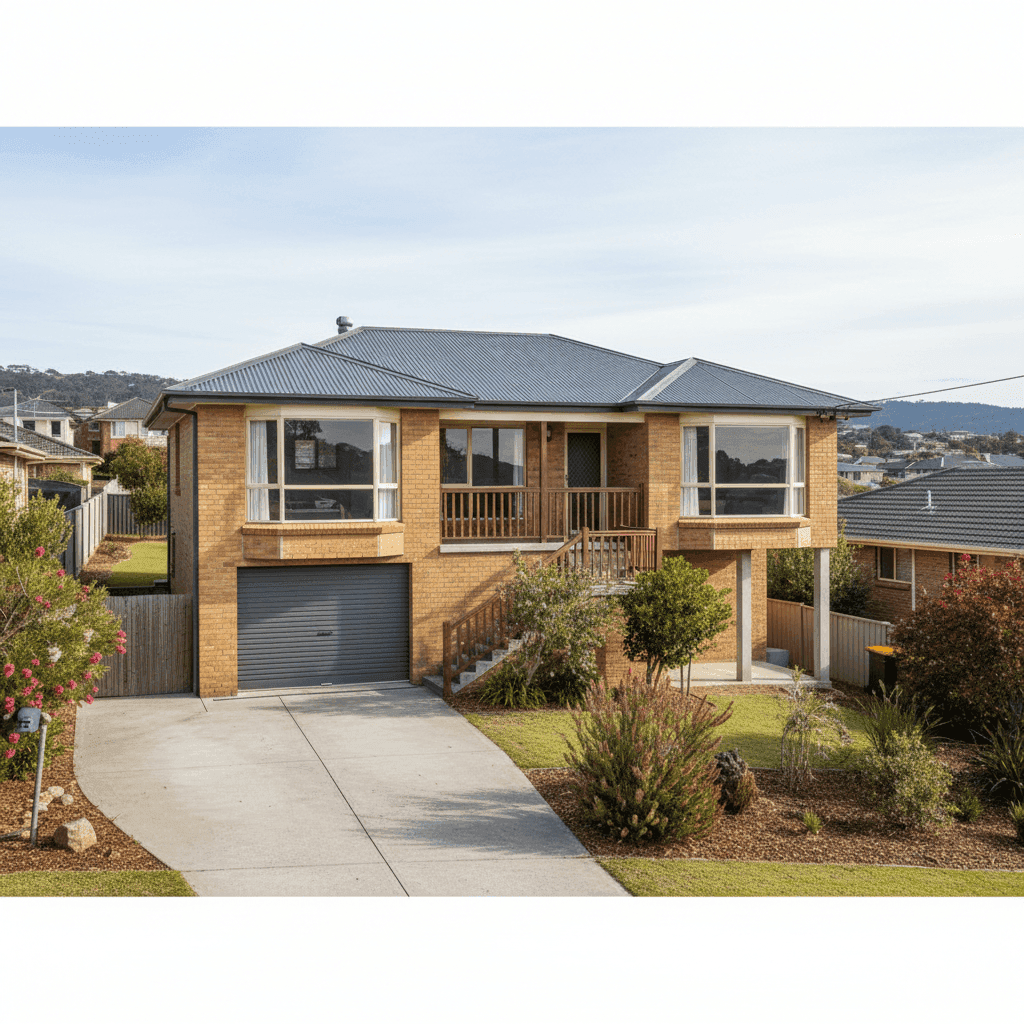
Kingston, Tasmania is one of Hobart's most popular southern suburbs — a leafy, relaxed community that draws families and downsizers alike with its proximity to the Huon Valley and easy access to the CBD. If you own a free standing home here, understanding what you should be paying for building insurance is genuinely useful information. This article breaks down a real building-only insurance quote for a 3-bedroom, 2-bathroom brick veneer home in Kingston (postcode 7050) and puts it in context against local, state, and national benchmarks.
---
Is This Quote Fair?
The short answer: yes — this is an excellent result.
The quote in question comes in at $1,000 per year (or about $98/month), covering building only with a sum insured of $465,000 and a building excess of $5,000. Our pricing engine has rated this quote as CHEAP — Below Average, which in insurance terms is a very good thing.
To put that into perspective, the average home insurance premium across Kingston (7050) sits at $3,088 per year, with a median of $2,720. Even at the suburb's 25th percentile — meaning three-quarters of homeowners pay more — the figure is $1,908/yr. This quote at $1,000 sits well below that threshold, representing a saving of roughly $1,700–$2,100 per year compared to what most Kingston homeowners are paying.
It's worth noting the building excess here is $5,000, which is on the higher side. A higher excess typically reduces your premium, so part of what's making this quote competitive is that the policyholder has accepted more out-of-pocket exposure in the event of a claim. That's a legitimate trade-off for many homeowners — particularly those with strong emergency savings — but it's something to factor into your overall financial planning.
---
How Kingston Compares
Kingston's local insurance market sits in an interesting position relative to broader benchmarks. Here's how the numbers line up:
| Benchmark | Annual Premium |
|---|---|
| This quote | $1,000 |
| Kingston suburb average | $3,088 |
| Kingston suburb median | $2,720 |
| Kingston 25th percentile | $1,908 |
| LGA (Hobart) average | $2,275 |
| TAS state average | $2,814 |
| TAS state median | $2,326 |
| National average | $5,347 |
| National median | $2,764 |
A few things stand out here. First, Kingston's suburb average ($3,088) is actually higher than the broader Hobart LGA average ($2,275), suggesting that some properties in this postcode attract elevated premiums — possibly due to topography, proximity to bushland, or higher rebuild costs for certain property types.
Second, Tasmania as a whole remains significantly more affordable than the national average. The national average of $5,347/yr is nearly double the Tasmanian state average of $2,814/yr — a reflection of the extreme premium pressures seen in Queensland, Northern Territory, and parts of Western Australia, where cyclone and flood risk drive costs sky-high. Tasmania's relatively benign climate (no cyclone risk, lower flood exposure in many areas) keeps premiums more manageable for most homeowners.
This quote, at $1,000/yr, is 68% below the suburb average and 64% below the state average — a genuinely standout result.
---
Property Features That Affect Your Premium
Several characteristics of this property likely contribute to its competitive premium:
Brick Veneer Construction Brick veneer is generally viewed favourably by insurers. It offers solid fire resistance and durability compared to weatherboard or fibre cement, which can translate into lower premiums for similarly valued homes.
Steel/Colorbond Roof Colorbond roofing is one of the most insurer-friendly roof types in Australia. It's durable, low-maintenance, resistant to fire and impact, and has a long lifespan — all factors that reduce the likelihood and cost of claims.
Elevated on Stumps The property is elevated by at least one metre on a stump foundation. This can cut both ways. On the positive side, elevation can reduce flood and moisture risk, which insurers appreciate. However, elevated homes can also be more exposed to wind damage and may have higher repair costs if structural work is needed underneath. On balance, for a non-cyclone area like Kingston, elevation is generally neutral-to-positive for premiums.
Timber/Laminate Flooring Timber and laminate floors are a standard feature in many Tasmanian homes of this era. They don't significantly move the needle on premiums either way, though they can be a consideration in water damage claims.
Ducted Climate Control The presence of ducted heating/cooling adds to the overall replacement value of the home and is factored into the sum insured. It's correctly captured in the $465,000 building sum insured.
1990 Construction Homes built in 1990 are in a reasonable position — old enough to have some character, but built under more modern building codes than pre-1970s homes. This era of construction generally doesn't attract significant age-related loading from insurers, unlike very old homes that may have outdated wiring or plumbing.
No Pool, No Solar Panels Both of these omissions keep things simple. Pools add liability exposure, and solar panels (while increasingly common) can complicate roof claims. Neither applies here, which streamlines the risk profile.
---
Tips for Homeowners in Kingston
1. Review your sum insured regularly Construction costs in Tasmania have risen meaningfully over the past few years. A sum insured of $465,000 for a 3-bedroom home is a reasonable figure, but it's worth checking against a building cost calculator annually to ensure you're not underinsured. Underinsurance is one of the most common — and costly — mistakes homeowners make.
2. Understand your excess before you claim A $5,000 building excess is substantial. Before lodging a claim for minor damage, consider whether the repair cost exceeds your excess by enough to justify the potential impact on your renewal premium. For smaller repairs, self-funding may be the smarter financial move.
3. Shop around at renewal time Even if you're already on a competitive premium, the insurance market shifts every year. Insurers reprice based on updated risk models, reinsurance costs, and claims experience. What's cheap today may not be cheap in 12 months. Use a comparison platform like CoverClub at renewal to make sure you're still getting value.
4. Consider whether building-only cover is sufficient This policy covers the building structure only — not contents. If you own furniture, appliances, clothing, and valuables (which most of us do), a separate contents policy or a combined building and contents policy is worth considering. Contents cover is often surprisingly affordable when added to an existing building policy.
---
Compare Your Own Quote
Whether you're a Kingston local or researching home insurance across Tasmania, CoverClub makes it easy to see how your premium stacks up. We aggregate real quote data so you can benchmark your own policy against what others in your suburb are actually paying — not just advertised rates.
Get a home insurance quote and compare in minutes, or explore the Kingston suburb insurance stats to see the full picture for your postcode.